.svg)


Iboga root bark is the inner bark of the root of Tabernanthe iboga, a small shrub native to the rainforests of Gabon and Central West Africa. It is the part of the plant that concentrates ibogaine and the dozen-plus other indole alkaloids responsible for iboga’s effects — and in the Bwiti tradition it is handled not as a raw drug, but as a sacred medicine prepared with great care.
Almost everything written about iboga focuses on ibogaine, the single isolated molecule. Yet the Bwiti people of Gabon have worked with the whole root bark for thousands of years. Understanding the bark itself — what it is, its forms, dosage, effects, how it is prepared, and how to tell genuine bark from questionable supply — is essential for anyone drawn to this path. This guide explains iboga root bark from the source.
What Is Iboga Root Bark?
Iboga is the common name of Tabernanthe iboga, a perennial shrub in the Apocynaceae family native to the equatorial forests of Gabon, Cameroon and the Republic of the Congo. It can grow into a small tree, produces clusters of small white-and-pink flowers and orange fruit, and lives for many decades. While the plant carries alkaloids throughout its tissues, they are most concentrated in the root bark — specifically the thin inner layer of bark covering the root system.
To prepare iboga, the roots are dug up, washed, and the bark is carefully peeled or scraped away and dried. This dried root bark — often ground into a fine brown powder — is the raw material behind every form of iboga, from traditional Bwiti ceremony to modern ibogaine therapy. For a broader overview of the plant and its uses, see our guide to what iboga is.
Iboga Root Bark vs Ibogaine vs Total Alkaloid (TA)
One of the most common points of confusion is the difference between the bark and its derivatives. They are not interchangeable:
- Whole iboga root bark: the dried, ground bark in its natural state, containing the complete spectrum of alkaloids alongside the plant’s other compounds. This is what the Bwiti use.
- Total Alkaloid extract (TA): a concentrate that removes inert plant fibre while retaining all of the bark’s alkaloids — not just ibogaine. It is more potent by weight than raw bark but still ‘full spectrum’.
- Purified ibogaine (ibogaine HCl): a single, isolated alkaloid extracted from the bark (or semi-synthesised from voacangine in the Voacanga africana tree). It is the most standardised form and the one used in most clinical settings, but it contains none of the other alkaloids.
In short: ibogaine is one molecule; iboga root bark is the whole orchestra. We explore this in depth in our article on iboga vs ibogaine.
In What Forms Does Iboga Root Bark Come?
Once dried, iboga root bark is found in several forms:
- Iboga root bark powder — the bark finely ground; the most traditional form, used directly in Bwiti ceremony.
- Shavings or chips — coarsely scraped bark, sometimes chewed or taken as a tea.
- Capsules — powdered bark in capsule form, most often seen in microdosing contexts.
- Total Alkaloid (TA) — a full-spectrum extract of the bark’s alkaloids, more concentrated than raw bark.
Whatever the form, potency varies between batches, because alkaloid content depends on the age and origin of the plant — one reason standardised dosing is so difficult.
The Alkaloid Profile of Iboga Root Bark
Dried iboga root bark is chemically complex. Analyses have identified more than a dozen indole alkaloids in the bark, with total alkaloid content commonly reported in the range of roughly 5–6% by dry weight. The principal alkaloids include:
- Ibogaine, the most abundant and most studied; responsible for much of the visionary and anti-addictive activity.
- Ibogamine, tabernanthine and ibogaline — structurally related alkaloids present in smaller amounts that contribute to the overall pharmacology.
- Voacangine, a precursor alkaloid also found in related plants.
After ingestion, the body metabolises ibogaine into noribogaine, a long-lasting metabolite associated with iboga’s extended after-effects. Several of these alkaloids have been shown in laboratory research to upregulate GDNF and BDNF, growth factors linked to neuroplasticity and neuronal repair. For more on how these compounds act in the brain, see how ibogaine works and our overview of iboga and neuroplasticity.
How Much Iboga Root Bark Is Used? Understanding Dosage
There is no single ‘safe dose’ of iboga root bark, and this guide deliberately does not provide one. Dosage is among the most dangerous variables to get wrong, which is why it is always individualised and supervised. Several factors make iboga root bark dosage complex:
- Variable potency: raw bark’s alkaloid content differs from batch to batch, so two equal weights are not equally strong.
- Form matters: total alkaloid and purified ibogaine are far more concentrated than raw bark, and clinical ibogaine is dosed by body weight (mg/kg).
- Intent: a tiny microdose is worlds apart from a ceremonial ‘flood’ dose.
- The person: weight, health, medications and cardiac status all change what is safe.
In the Bwiti tradition, quantity is judged in real time by an experienced shaman who knows the medicine and reads the individual. In clinical settings it is calculated by a physician after cardiac screening. Iboga root bark should never be self-dosed.
Effects, Benefits and Uses of Iboga Root Bark
Traditionally, iboga root bark has been used by the Bwiti for initiation, healing, divination and connection with ancestors. In larger ceremonial doses it produces a long (often 12–36 hour) introspective, dream-like state used for deep psychological and spiritual work; in microdoses, some use it for focus, mood and stamina.
Modern interest centres on its potential to interrupt addiction and to support trauma, depression and PTSD, effects attributed to ibogaine and noribogaine and their action on neuroplasticity. These are potential benefits under active study, not guaranteed outcomes or approved treatments. Iboga root bark’s effects are powerful and not always comfortable: the experience is widely described as confronting rather than recreational, which is precisely why the tradition surrounds it with such care.
Where Iboga Root Bark Comes From
Authentic iboga root bark comes from Gabon, where the plant grows wild in the rainforest and is cultivated by Bwiti communities. Iboga is woven into Gabonese national identity: the country has formally recognised iboga as part of its cultural heritage and regulates its harvest and export. The trees the Bwiti rely on are often decades old and are tended with deliberate, intergenerational care.
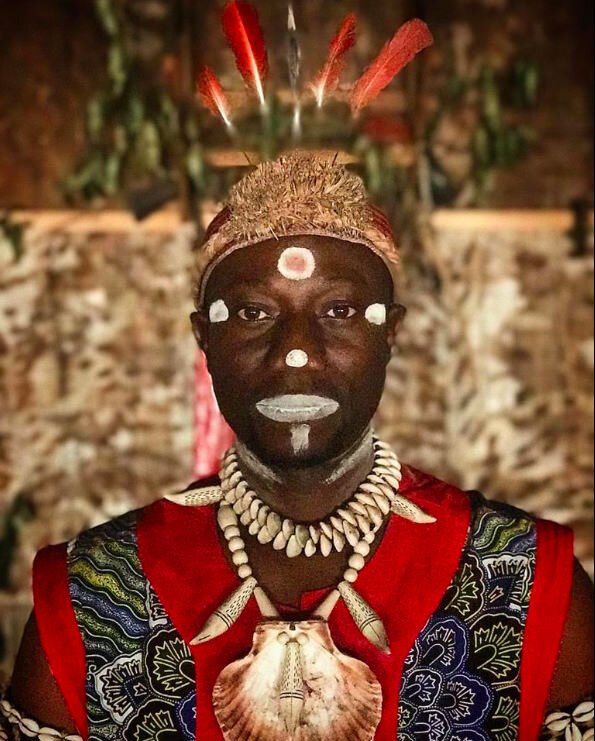
This origin matters. A great deal of iboga sold online comes from poorly documented sources — sometimes harvested unsustainably, mislabelled, or adulterated. Bark sourced through a genuine Bwiti lineage carries not only verifiable provenance but the cultural relationship that, in the Bwiti view, is inseparable from the medicine itself. Learn more in our guide to the Bwiti tradition.
Sustainability and the Conservation of Iboga
Rising global demand — driven by the opioid crisis and growing public interest in psychedelic healing — has placed real pressure on wild iboga. Because the alkaloids concentrate in the root, harvesting traditionally means taking the whole plant, and a slow-growing shrub cannot be replaced overnight. Overharvesting for export is a genuine conservation concern.
Responsible providers address this by sourcing from cultivated, community-managed plants rather than stripping wild populations, and by honouring Gabon’s role as iboga’s homeland through reciprocity. Sustainability is not a marketing slogan; it is the difference between a tradition that endures and one that is extracted to exhaustion.
How the Bwiti Traditionally Prepare Iboga Root Bark
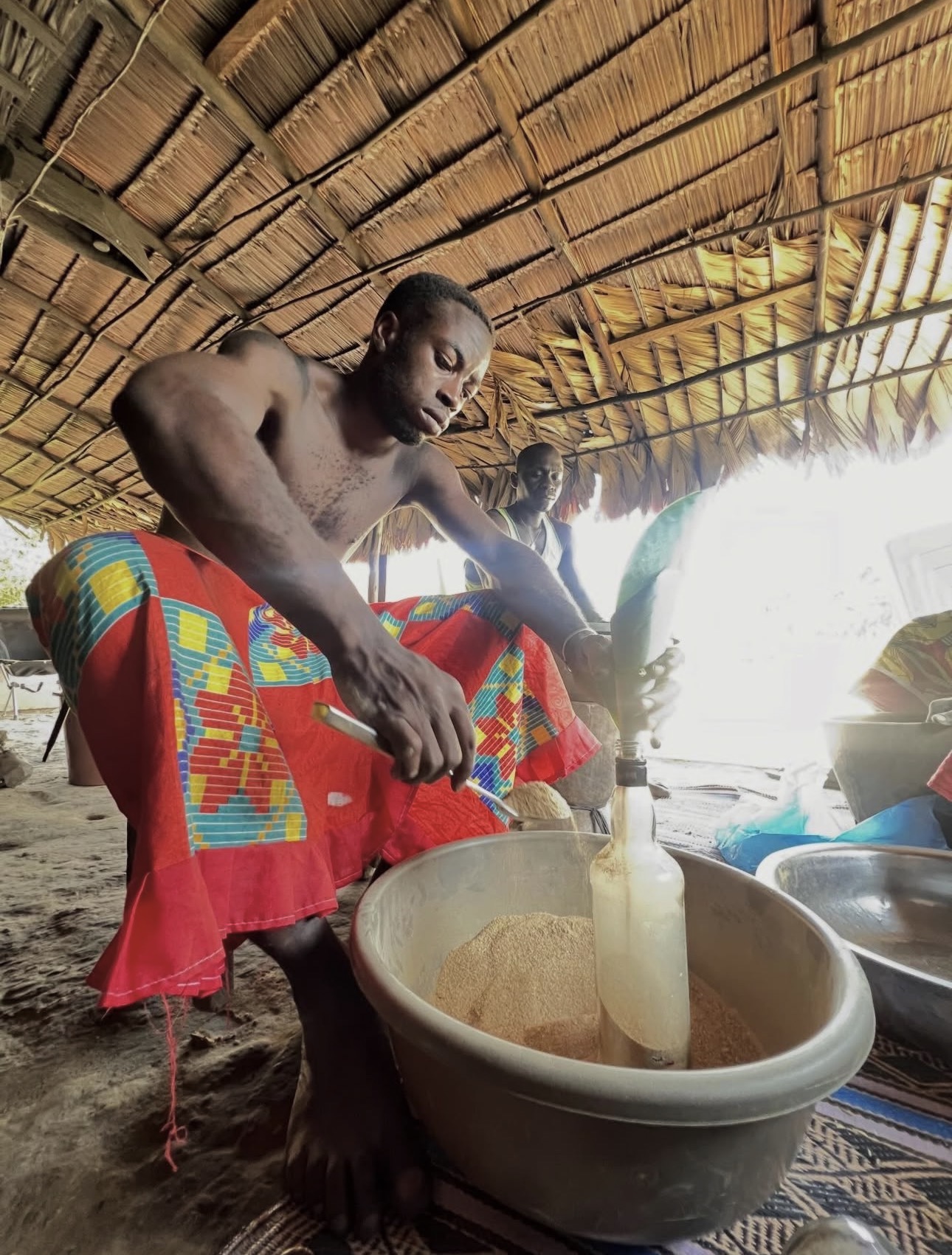
In the Bwiti tradition, preparing iboga root bark is a careful, respectful process rather than an industrial one. After the root is harvested and cleaned, the inner bark is separated from the woody core, dried, and ground by hand into a fine powder. In ceremony, this powder may be eaten directly, taken with water, or scraped fresh — the form and quantity guided by an experienced nima (shaman) who reads each person’s condition.
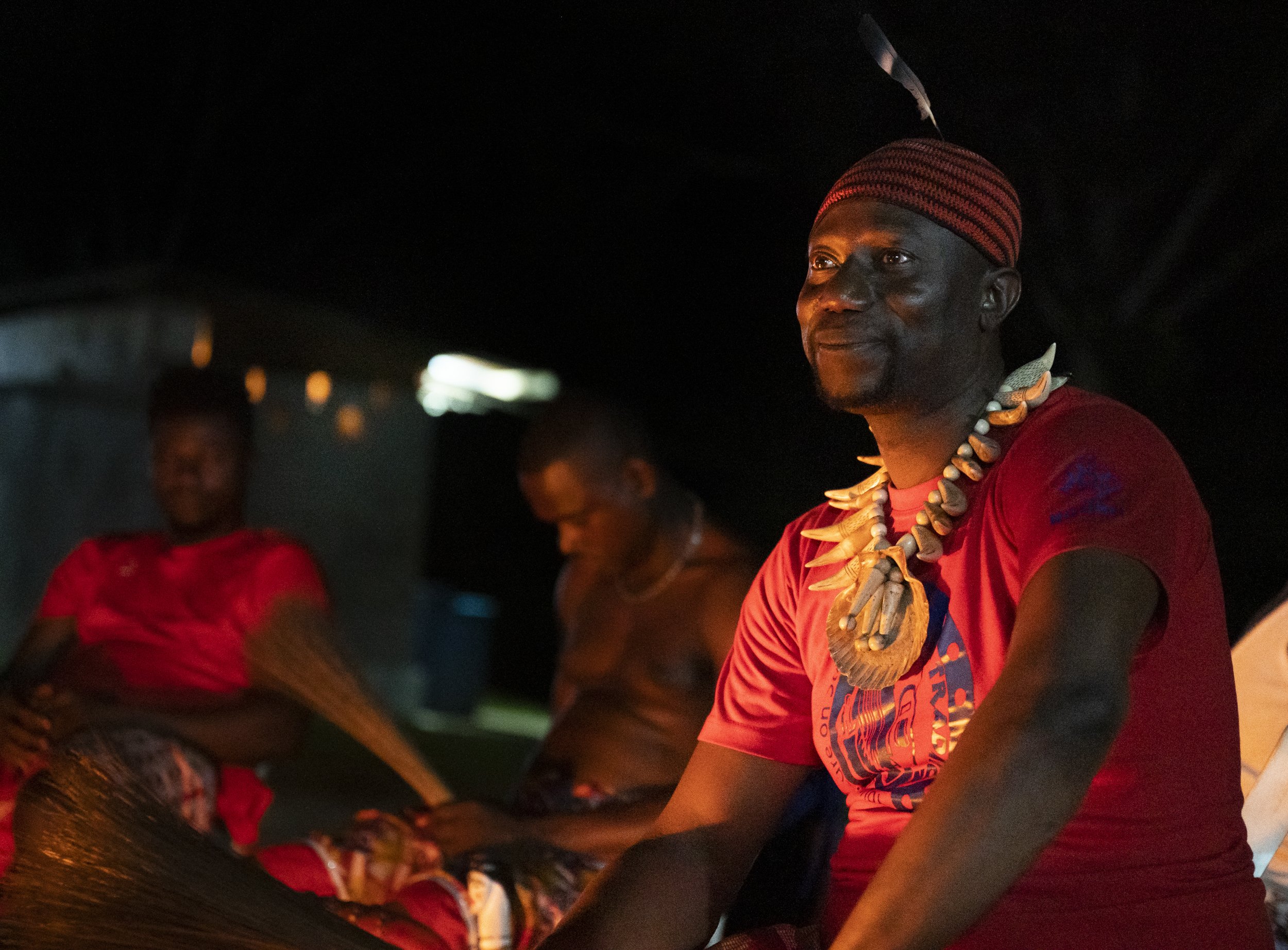
Crucially, the bark is never separated from its context. Music — the ngombi (the sacred harp) and the mongongo (a horn) — together with fire, community and the guidance of the shaman, is considered part of the medicine’s preparation, not an optional extra. This is why the Bwiti say you cannot have iboga without Bwiti. You can read about the full ceremonial container in our guide to the Bwiti initiation.
Whole Root Bark vs Isolated Ibogaine: Why It Matters
Modern clinics often favour purified ibogaine HCl because it is standardised and easy to dose precisely. The Bwiti, and many traditional practitioners, work with the whole root bark or total alkaloid because they hold that the full spectrum of alkaloids works together — an idea that echoes the ‘entourage effect’ described in other plant medicines.
It is worth being honest here: there is not yet robust clinical research directly comparing whole bark to isolated ibogaine for safety or outcomes. What can be said is that the two are genuinely different preparations with different alkaloid profiles, and that the traditional view values the plant in its complete form. Neither is a casual substance.
Safety: Why Iboga Root Bark Demands Medical Screening
Iboga is powerful, and it is not without risk. Ibogaine and related alkaloids can prolong the heart’s QT interval, which in vulnerable people can trigger dangerous arrhythmias. The serious adverse events associated with iboga have occurred overwhelmingly in unscreened, unsupervised settings.
For this reason, responsible work with iboga root bark requires, at minimum: a thorough cardiac evaluation (including an ECG), screening for contraindicated medications and conditions, and continuous monitoring during the experience. Encouragingly, a 2024 Stanford Medicine study of magnesium-supported ibogaine in special-operations veterans reported no serious cardiac adverse events in its carefully screened population, alongside major reductions in PTSD and depression — underscoring that screening is what makes the difference. Read our full iboga safety guide before considering any experience.
Is Iboga Root Bark Legal?
Legality varies sharply by country. Ibogaine — and therefore iboga root bark, which contains it — is a Schedule I substance in the United States, making domestic retreats illegal. It is legal or unregulated in Gabon, Mexico, New Zealand, South Africa and several other jurisdictions. Anyone considering iboga should confirm the current rules for their situation; our country-by-country legality guide covers this in detail.
How to Vet a Source of Iboga Root Bark
If provenance is everything, here is what genuine sourcing looks like: a clear, verifiable connection to a Bwiti lineage in Gabon; transparency about how and where the bark was harvested; sustainable, community-based cultivation; and a refusal to make reckless medical promises. Be wary of anonymous online vendors, vague ‘wildcrafted’ claims, and anyone who downplays the need for cardiac screening.
People often search for where to buy iboga root bark, or find it advertised for sale online. We do not recommend buying raw bark from unverified vendors: potency is unpredictable, adulteration is common, and taking it without cardiac screening and supervision is genuinely dangerous. Bwiti House does not sell iboga for unsupervised use — the bark we work with comes through the Missoko Bwiti lineage of Moughenda Mikala and is offered only within a properly held ceremony. To experience iboga in its authentic context, explore our iboga retreat in Gabon.
Frequently Asked Questions
Is iboga root bark the same as ibogaine?
No. Iboga root bark is the whole, natural bark containing more than a dozen alkaloids. Ibogaine is a single alkaloid isolated from that bark. The bark is full spectrum; ibogaine is one purified molecule.
What part of the iboga plant is used?
The inner bark of the root. It holds the highest concentration of ibogaine and the other active alkaloids, which is why it — rather than the leaves or stem — is the part traditionally prepared and used.
How much iboga root bark should you take?
There is no universal safe dose. Potency varies by batch and form, and the right amount depends on body weight, health and intent. Dosage must be set by an experienced shaman or a physician after cardiac screening — never self-administered.
What are the benefits of iboga root bark?
Traditionally it is used for initiation, healing and spiritual insight. Modern research is exploring its potential for addiction, trauma, depression and PTSD via ibogaine’s effects on neuroplasticity — promising, but not yet approved or guaranteed.
Can you buy iboga root bark?
It is sold online, but quality and legality vary widely, and ibogaine is Schedule I in countries such as the US. Because unscreened, unsupervised use is dangerous, we strongly advise against casual purchase and recommend working within an authentic, supervised setting instead.
Where does authentic iboga root bark come from?
Gabon, the homeland of both the plant and the Bwiti tradition. Genuine bark has a verifiable lineage connection and is harvested sustainably.
References
- Stanford Medicine (2024). Magnesium-supported ibogaine therapy in veterans with traumatic brain injury — Nature Medicine.
- Alper, K. R. (2001). Ibogaine: A review. The Alkaloids: Chemistry and Biology.
- He, D. Y., et al. Ibogaine and GDNF upregulation — research on glial cell line-derived neurotrophic factor.
This article is for educational purposes and is not medical advice. Iboga is a powerful substance that can be dangerous without proper screening and supervision. Always consult qualified professionals.