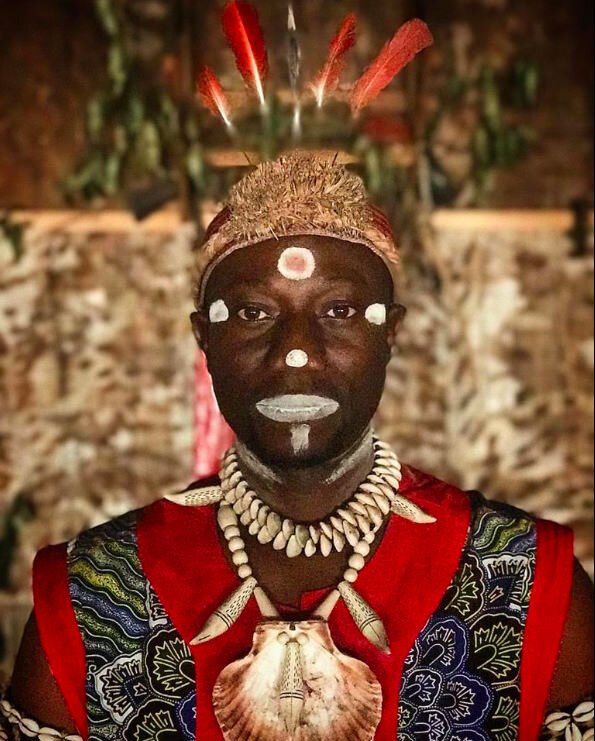
What Is Mwiri? Gabon's Rite of Passage Into Manhood

Mwiri: Gabon's Rite of Passage to Resilient Manhood - Bwiti House Iboga retreat
Home
/
Blog
/
What Is Mwiri? Gabon's Rite of Passage Into Manhood
by
Bwiti House
25/3/2024
3min

Subhead: Mwiri is the men's initiation society of southern Gabon, distinct from Bwiti, often confused with it, and rarely understood outside the country.

This is what it actually is.                        


A society, not a ceremony                                                        


Mwiri (sometimes spelled Mouiri or Muiri) is a male initiation society practiced primarily by the Mitsogo, Apindji, and several neighboring Bantu peoples of southern Gabon. It is not the same as Bwiti, though the two traditions share territory, language, and a few overlapping figures. Bwiti is open to women and men, organized around iboga and ancestral communion, and visible to outsiders through ceremonies. Mwiri is closed, exclusively male, and most of its inner content is not transmitted outside its membership. That distinction matters and is the first thing most outsiders get wrong.


In the villages where it remains active, Mwiri operates as a parallel structure to civil and family life. Its members hold a recognized authority on questions of conduct, conflict, and community standing. A man who has been through Mwiri carries a status that his uninitiated peers do not, and that status is read in the village at the level of how he is addressed, who consults him, and how seriously his word is taken when something has gone wrong.


What initiation involves                            


The form of the initiation is what most published descriptions try to capture, often inaccurately. What can be said publicly is that the candidate is taken from his household, separated from women and from his usual ties, and held in a forest space under the authority of senior Mwiri members for a period that varies by village and by lineage. He fasts. He is silent for stretches. He undergoes physical and psychological tests that are designed to be hard rather than symbolic. He is taught the lineage's history, its protocols, and the obligations that membership will impose on him for the rest of his life. Iboga, the same plant that anchors Bwiti, often plays a role, but the framing inside Mwiri is different: less about ancestral encounter, more about hardening the man who is being made.    


What a Mwiri candidate is not doing is attending a workshop. There is no set fee, no schedule a foreigner can book onto, and no equivalent of the open Bwiti ceremonies that occasionally receive outside visitors. Mwiri is, by design, not a service.


Discover our iboga retreat

14-Days with a 10 generation Missoko bwiti shaman. Start your journey or ask for info on whatsapp

Why it still functions                                                          


In a country where modern institutions sit alongside long-running traditional structures, Mwiri continues to do something that nothing else in Gabonese village life does. It produces men who are accountable to a body of peers older and more experienced than they are, on terms set by that body, and it holds those men to that accountability for life. The lineage prizes restraint, capacity for suffering, fidelity to one's word, and the willingness to put the community ahead of personal advantage. Whether or not those are universal virtues, they are recognizably the virtues that the elders in a Mwiri village will tell you a man is supposed to embody.                                


What outsiders should understand                                                

The honest position for any non-Gabonese reader interested in Mwiri is that the right relationship to it is curiosity at a respectful distance. The lineage is not seeking outside membership and almost never grants it. What outsiders can do is recognize Mwiri as one of the structures that gives the broader Gabonese spiritual landscape including the Bwiti retreats foreign visitors do attend its underlying coherence. The men who hold space in those Bwiti contexts are often Mwiri members. The discipline you may notice in them was forged somewhere outsiders are not invited.


That, more than any list of virtues, is what Mwiri is.
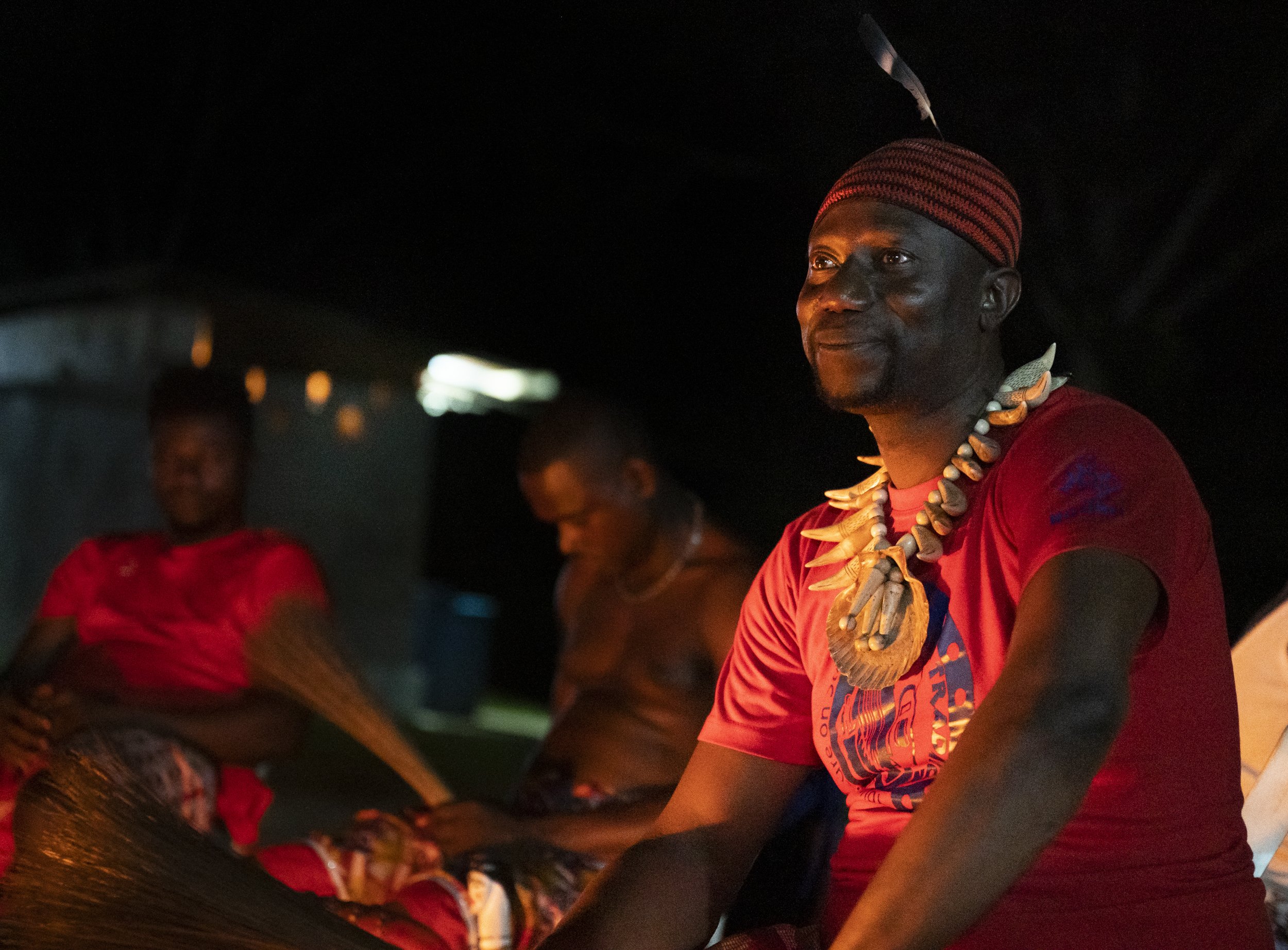
Subhead: Mwiri is the men's initiation society of southern Gabon, distinct from Bwiti, often confused with it, and rarely understood outside the country.

This is what it actually is.                        


A society, not a ceremony                                                        


Mwiri (sometimes spelled Mouiri or Muiri) is a male initiation society practiced primarily by the Mitsogo, Apindji, and several neighboring Bantu peoples of southern Gabon. It is not the same as Bwiti, though the two traditions share territory, language, and a few overlapping figures. Bwiti is open to women and men, organized around iboga and ancestral communion, and visible to outsiders through ceremonies. Mwiri is closed, exclusively male, and most of its inner content is not transmitted outside its membership. That distinction matters and is the first thing most outsiders get wrong.


In the villages where it remains active, Mwiri operates as a parallel structure to civil and family life. Its members hold a recognized authority on questions of conduct, conflict, and community standing. A man who has been through Mwiri carries a status that his uninitiated peers do not, and that status is read in the village at the level of how he is addressed, who consults him, and how seriously his word is taken when something has gone wrong.


What initiation involves                            


The form of the initiation is what most published descriptions try to capture, often inaccurately. What can be said publicly is that the candidate is taken from his household, separated from women and from his usual ties, and held in a forest space under the authority of senior Mwiri members for a period that varies by village and by lineage. He fasts. He is silent for stretches. He undergoes physical and psychological tests that are designed to be hard rather than symbolic. He is taught the lineage's history, its protocols, and the obligations that membership will impose on him for the rest of his life. Iboga, the same plant that anchors Bwiti, often plays a role, but the framing inside Mwiri is different: less about ancestral encounter, more about hardening the man who is being made.    


What a Mwiri candidate is not doing is attending a workshop. There is no set fee, no schedule a foreigner can book onto, and no equivalent of the open Bwiti ceremonies that occasionally receive outside visitors. Mwiri is, by design, not a service.


Why it still functions                                                          


In a country where modern institutions sit alongside long-running traditional structures, Mwiri continues to do something that nothing else in Gabonese village life does. It produces men who are accountable to a body of peers older and more experienced than they are, on terms set by that body, and it holds those men to that accountability for life. The lineage prizes restraint, capacity for suffering, fidelity to one's word, and the willingness to put the community ahead of personal advantage. Whether or not those are universal virtues, they are recognizably the virtues that the elders in a Mwiri village will tell you a man is supposed to embody.                                


What outsiders should understand                                                

The honest position for any non-Gabonese reader interested in Mwiri is that the right relationship to it is curiosity at a respectful distance. The lineage is not seeking outside membership and almost never grants it. What outsiders can do is recognize Mwiri as one of the structures that gives the broader Gabonese spiritual landscape including the Bwiti retreats foreign visitors do attend its underlying coherence. The men who hold space in those Bwiti contexts are often Mwiri members. The discipline you may notice in them was forged somewhere outsiders are not invited.


That, more than any list of virtues, is what Mwiri is.

Mwiri: Gabon's Rite of Passage to Resilient Manhood - Bwiti House Iboga retreat
Home
/
Blog
/
What Is Mwiri? Gabon's Rite of Passage Into Manhood
Group 47 (2) - Bwiti House Iboga retreat
by
Bwiti House
Icons8 Semaine Civile 32 - Bwiti House Iboga retreat
25/3/2024
Icons8 Minuteur 32 - Bwiti House Iboga retreat
3min

Subhead: Mwiri is the men's initiation society of southern Gabon, distinct from Bwiti, often confused with it, and rarely understood outside the country.

This is what it actually is.                        


A society, not a ceremony                                                        


Mwiri (sometimes spelled Mouiri or Muiri) is a male initiation society practiced primarily by the Mitsogo, Apindji, and several neighboring Bantu peoples of southern Gabon. It is not the same as Bwiti, though the two traditions share territory, language, and a few overlapping figures. Bwiti is open to women and men, organized around iboga and ancestral communion, and visible to outsiders through ceremonies. Mwiri is closed, exclusively male, and most of its inner content is not transmitted outside its membership. That distinction matters and is the first thing most outsiders get wrong.


In the villages where it remains active, Mwiri operates as a parallel structure to civil and family life. Its members hold a recognized authority on questions of conduct, conflict, and community standing. A man who has been through Mwiri carries a status that his uninitiated peers do not, and that status is read in the village at the level of how he is addressed, who consults him, and how seriously his word is taken when something has gone wrong.


What initiation involves                            


The form of the initiation is what most published descriptions try to capture, often inaccurately. What can be said publicly is that the candidate is taken from his household, separated from women and from his usual ties, and held in a forest space under the authority of senior Mwiri members for a period that varies by village and by lineage. He fasts. He is silent for stretches. He undergoes physical and psychological tests that are designed to be hard rather than symbolic. He is taught the lineage's history, its protocols, and the obligations that membership will impose on him for the rest of his life. Iboga, the same plant that anchors Bwiti, often plays a role, but the framing inside Mwiri is different: less about ancestral encounter, more about hardening the man who is being made.    


What a Mwiri candidate is not doing is attending a workshop. There is no set fee, no schedule a foreigner can book onto, and no equivalent of the open Bwiti ceremonies that occasionally receive outside visitors. Mwiri is, by design, not a service.


Why it still functions                                                          


In a country where modern institutions sit alongside long-running traditional structures, Mwiri continues to do something that nothing else in Gabonese village life does. It produces men who are accountable to a body of peers older and more experienced than they are, on terms set by that body, and it holds those men to that accountability for life. The lineage prizes restraint, capacity for suffering, fidelity to one's word, and the willingness to put the community ahead of personal advantage. Whether or not those are universal virtues, they are recognizably the virtues that the elders in a Mwiri village will tell you a man is supposed to embody.                                


What outsiders should understand                                                

The honest position for any non-Gabonese reader interested in Mwiri is that the right relationship to it is curiosity at a respectful distance. The lineage is not seeking outside membership and almost never grants it. What outsiders can do is recognize Mwiri as one of the structures that gives the broader Gabonese spiritual landscape including the Bwiti retreats foreign visitors do attend its underlying coherence. The men who hold space in those Bwiti contexts are often Mwiri members. The discipline you may notice in them was forged somewhere outsiders are not invited.


That, more than any list of virtues, is what Mwiri is.

Home
/
Blog
/
What Is Mwiri? Gabon's Rite of Passage Into Manhood
🇺🇸 ATTENTION US CITIZENS: Recent entry restrictions do NOT apply to Bwiti House guests. We continue to welcome US travelers year-round via our official government invitations.     •     🇺🇸 ATTENTION US CITIZENS: Recent entry restrictions do NOT apply to Bwiti House guests. We continue to welcome US travelers year-round via our official government invitations.     •