🇺🇸 ATTENTION US CITIZENS: Recent entry restrictions do NOT apply to Bwiti House guests. We continue to welcome US travelers year-round via our official government invitations.     •     🇺🇸 ATTENTION US CITIZENS: Recent entry restrictions do NOT apply to Bwiti House guests. We continue to welcome US travelers year-round via our official government invitations.     •    

Iboga vs Ibogaine: Why the Full Root Bark Matters

Home
/
Blog
/
Iboga vs Ibogaine: Why the Full Root Bark Matters
by
Moughenda Mikala
22/3/2026
6min

Iboga vs Ibogaine: Why the Full Root Bark Matters

The distinction between iboga and ibogaine is the single most important thing anyone considering this medicine needs to understand. They are not interchangeable. They produce fundamentally different experiences, carry different risk profiles, and deliver different outcomes. Yet they are constantly confused, in media coverage, on internet forums, and even by some treatment providers.

Having guided thousands of ceremonies over 35 years using traditional iboga root bark, and having observed the results of ibogaine-only protocols through our network of trained providers, I can speak to this difference with certainty.

What Ibogaine Is

Ibogaine is a single alkaloid, the most pharmacologically active compound found in the *Tabernanthe iboga* root bark. It is extracted through an extensive chemical process that isolates it from the other 30+ alkaloids present in the whole plant.

The resulting product, ibogaine hydrochloride (ibogaine HCL), is essentially a pharmaceutical substance. It is a white crystalline powder, measured in precise milligram doses, and administered in clinical or semi-clinical settings.

Ibogaine gained international recognition primarily for one remarkable property: its ability to interrupt opioid addiction. In a single session, ibogaine can eliminate or dramatically reduce withdrawal symptoms, reset neurochemical baselines, and attenuate drug-seeking behavior. Published research has documented these effects across multiple studies.

This is genuinely extraordinary. No other known substance produces comparable results for opioid detoxification. This is why ibogaine has attracted the attention of researchers at major institutions worldwide.

What Iboga Is

Iboga is the whole root bark of *Tabernanthe iboga* containing its complete alkaloid profile, ibogaine plus tabernanthine, ibogamine, coronaridine, ibogaline, voacangine, and dozens of others, all in their naturally occurring ratios.

But iboga is more than the sum of its alkaloids. In the Bwiti tradition, iboga is understood as a living intelligence — a spirit that has guided the Bwiti people for millennia. This is not abstract philosophy. It is the direct, repeatable experience of thousands of people who have worked with the whole plant in traditional ceremony: iboga communicates, teaches, and heals with an intelligence that cannot be reduced to neuropharmacology alone.

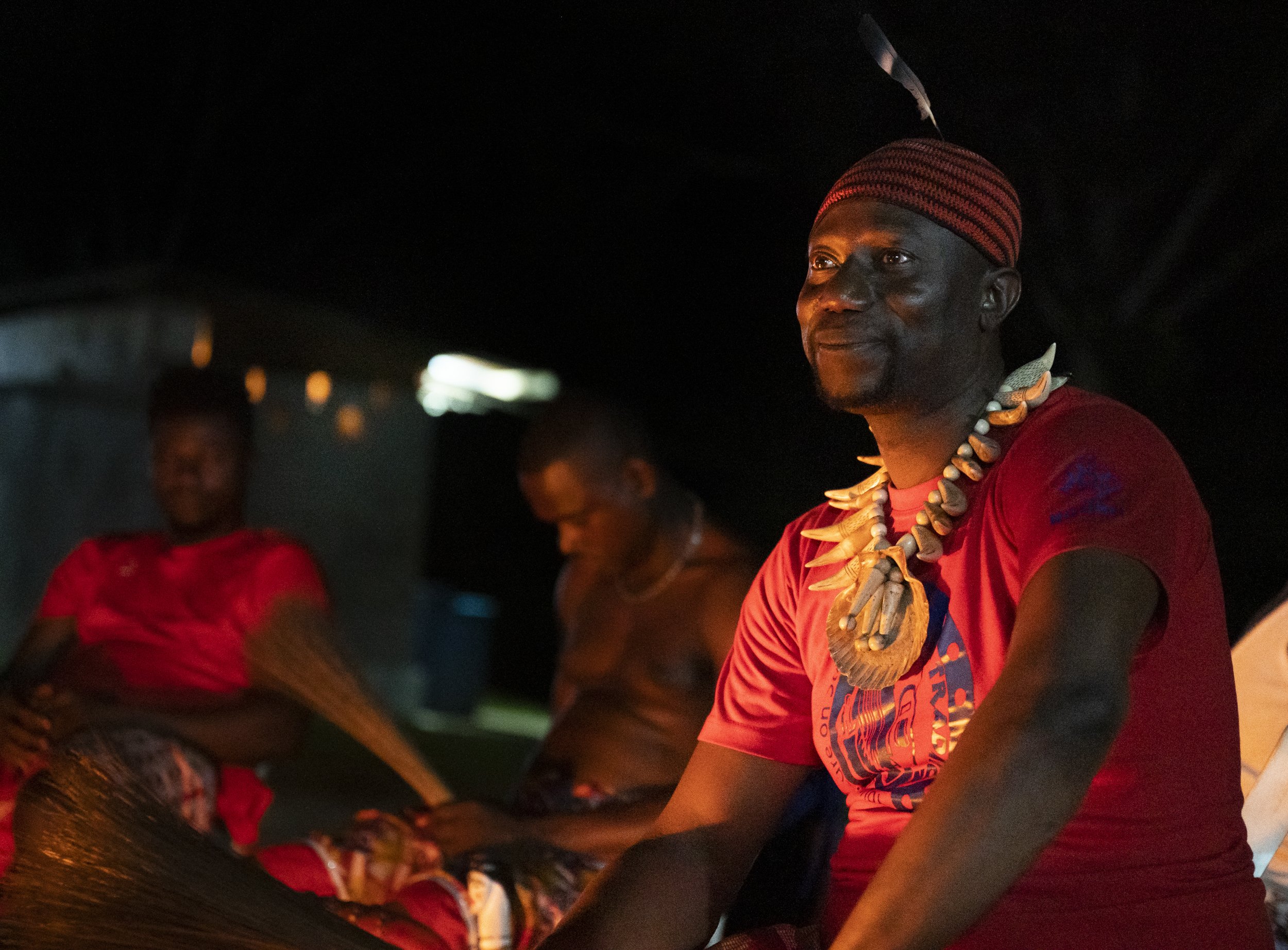
The whole root bark is consumed orally, typically as ground powder mixed with water, within the framework of Bwiti ceremony — with specific music, rituals, and the continuous presence of experienced shamans.

The Entourage Effect: Why the Whole Plant Is Greater Than Its Parts

Modern pharmacology has begun to recognize what traditional medicine has known for centuries: whole plants often work better than isolated compounds. Cannabis research popularized the term "entourage effect" to describe how the many compounds in the cannabis plant interact synergistically to produce effects that no single cannabinoid can replicate.

The same principle applies to iboga, arguably even more powerfully.

When you isolate ibogaine from the root bark, you remove the buffering, modulating, and complementary effects of the other alkaloids. Research published in multiple peer-reviewed journals has demonstrated that several of these "minor" alkaloids possess their own significant pharmacological activity:

**Tabernanthine** has been shown in animal studies to reduce drug self-administration independently of ibogaine. It also appears to modulate ibogaine's cardiac effects, potentially contributing to a safer overall profile when present alongside ibogaine in the whole plant.

**Coronaridine** demonstrates its own anti-addictive properties and has been studied as a potential standalone therapeutic agent.

**Ibogamine** contributes additional neuroactive effects that complement ibogaine's primary mechanisms.

Together, these alkaloids create a more balanced, sustained, and comprehensive healing experience than ibogaine alone. The whole root bark remains active in the body for a longer period, providing an extended window of neuroplasticity and psychological openness that facilitates deeper integration.

Discover our iboga retreat

14-Days with a 10 generation Missoko bwiti shaman. Start your journey or ask for info on whatsapp

Key Differences: A Direct Comparison

Depth of Experience

Ibogaine produces what many describe as a "clinical reset", effective, powerful, but primarily operating on the physical and neurochemical level. Participants often report visual experiences, life review sequences, and emotional processing, but the depth and texture of these experiences tend to be more limited.

Iboga, within the Bwiti ceremonial framework, consistently produces a qualitatively different experience. Participants describe it as more "humane," more grounded, and more emotionally nuanced. The other alkaloids appear to soften the intensity while deepening the access, creating space for the kind of slow, thorough emotional processing that produces lasting change rather than temporary relief.

Duration and Integration Window

An ibogaine session typically produces acute effects lasting 12 to 24 hours, with residual effects fading over the following days.

A full iboga ceremony, as conducted in the Bwiti tradition, extends over a longer period with multiple ceremonial sessions. The sustained presence of the full alkaloid spectrum creates a longer neuroplasticity window, sometimes described as a period of enhanced mental flexibility during which new neural pathways can be established more easily. This window is critical for integration: the process of translating ceremony insights into lasting behavioral change.

Safety Profile

This is a nuanced area. Ibogaine, as an isolated compound, is administered at precise doses based on body weight. This precision is an advantage in clinical settings.

However, ibogaine in isolation places a concentrated pharmacological load on a single mechanism. The full root bark distributes this load across multiple alkaloid pathways, which some researchers and practitioners believe creates a more physiologically balanced experience. The traditional Bwiti approach also involves gradual dosing over time rather than a single large dose, further distributing the physiological impact.

Both iboga and ibogaine carry cardiac risks and require thorough medical screening. This is non-negotiable regardless of which form is used.

Spiritual Dimension

This is perhaps the most significant difference, and the hardest to quantify scientifically.

Ibogaine administered in a clinical setting, on a hospital bed, under fluorescent lights, without music, ritual, or spiritual framework, produces a chemical experience. It may be therapeutic, but it is stripped of the context that the Bwiti have refined over millennia specifically to maximize the medicine's healing potential.

The Bwiti ceremonial framework is not decoration. The music, the rhythms, the fire, the guidance of the shaman, these elements actively shape and direct the experience. They provide a container that allows the individual to go deeper, process more thoroughly, and emerge with a coherent narrative of transformation rather than a collection of fragmented experiences.

Ibogaine HCL, by the nature of its extraction process, no longer carries the spirit of the iboga plant. This is a statement that will be met with skepticism by those who view healing through a purely materialist lens. But for the thousands who have experienced both, the difference is unmistakable.

When Ibogaine May Be Appropriate

It would be dishonest to suggest that ibogaine has no legitimate role. For individuals in acute opioid crisis, where the immediate priority is preventing overdose death, an ibogaine detox in a medically supervised setting can be lifesaving.

In these situations, speed matters. The precision dosing and focused detoxification that ibogaine provides can interrupt a lethal cycle and create a window of stability in which deeper healing work can begin.

At Bwiti House, we sometimes work with individuals who have first undergone ibogaine detox elsewhere and then come to us for the deeper spiritual and psychological work that iboga ceremony provides. This sequential approach, ibogaine for acute stabilization, followed by iboga for deep healing can be highly effective.

Why We Work With the Whole Root Bark

At Bwiti House, we work exclusively with traditional iboga root bark and iboga TA (total alkaloid extract that preserves all alkaloids in their natural ratios while removing some plant matter for easier digestion).

This is not a marketing decision. It reflects 35 years of direct observation and the accumulated wisdom of a tradition spanning millennia. In our experience, the whole plant consistently produces more complete, more stable, and more lasting results than isolated ibogaine.

The Bwiti did not arrive at this practice by accident. Thousands of years of direct experimentation far more extensive than any clinical trial refined the use of the whole root bark as the optimal form for human healing and spiritual development.

When modern science catches up to traditional knowledge as it increasingly does we expect the evidence to confirm what we have always known: the whole is greater than any of its parts.

Making an Informed Choice

If you are considering working with either iboga or ibogaine, the most important factors are:

**Your specific needs.** Are you in acute addiction crisis requiring immediate detox? An ibogaine clinic may be appropriate as a first step. Are you seeking deeper psychological, emotional, and spiritual transformation? Traditional iboga ceremony offers a more comprehensive path.

**The qualifications of your providers.** Whether using iboga or ibogaine, ensure your providers have extensive experience, proper medical screening protocols, and ideally  training rooted in the Bwiti tradition that has refined the use of this medicine over millennia.

**The setting.** The context in which you receive the medicine profoundly shapes the outcome. A sterile clinic produces different results than a traditional ceremony held in community, with music, fire, and the guidance of experienced shamans.

We are always available to discuss these considerations openly. Our goal is not to sell you a retreat, it is to ensure you make the choice that is right for your specific situation, with full understanding of what each path offers.

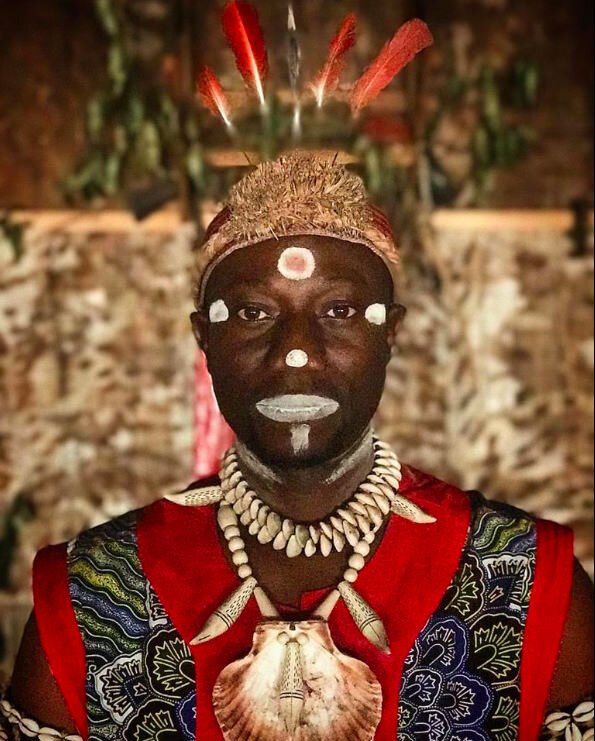
*Moughenda Mikala is a 10th-generation Missoko Bwiti shaman and the founder of Bwiti House. Since 1990, he has guided over 10,000 individuals through iboga ceremonies and trained more than 50 certified providers worldwide.*

Iboga vs Ibogaine: Why the Full Root Bark Matters

The distinction between iboga and ibogaine is the single most important thing anyone considering this medicine needs to understand. They are not interchangeable. They produce fundamentally different experiences, carry different risk profiles, and deliver different outcomes. Yet they are constantly confused, in media coverage, on internet forums, and even by some treatment providers.

Having guided thousands of ceremonies over 35 years using traditional iboga root bark, and having observed the results of ibogaine-only protocols through our network of trained providers, I can speak to this difference with certainty.

What Ibogaine Is

Ibogaine is a single alkaloid, the most pharmacologically active compound found in the *Tabernanthe iboga* root bark. It is extracted through an extensive chemical process that isolates it from the other 30+ alkaloids present in the whole plant.

The resulting product, ibogaine hydrochloride (ibogaine HCL), is essentially a pharmaceutical substance. It is a white crystalline powder, measured in precise milligram doses, and administered in clinical or semi-clinical settings.

Ibogaine gained international recognition primarily for one remarkable property: its ability to interrupt opioid addiction. In a single session, ibogaine can eliminate or dramatically reduce withdrawal symptoms, reset neurochemical baselines, and attenuate drug-seeking behavior. Published research has documented these effects across multiple studies.

This is genuinely extraordinary. No other known substance produces comparable results for opioid detoxification. This is why ibogaine has attracted the attention of researchers at major institutions worldwide.

What Iboga Is

Iboga is the whole root bark of *Tabernanthe iboga* containing its complete alkaloid profile, ibogaine plus tabernanthine, ibogamine, coronaridine, ibogaline, voacangine, and dozens of others, all in their naturally occurring ratios.

But iboga is more than the sum of its alkaloids. In the Bwiti tradition, iboga is understood as a living intelligence — a spirit that has guided the Bwiti people for millennia. This is not abstract philosophy. It is the direct, repeatable experience of thousands of people who have worked with the whole plant in traditional ceremony: iboga communicates, teaches, and heals with an intelligence that cannot be reduced to neuropharmacology alone.

The whole root bark is consumed orally, typically as ground powder mixed with water, within the framework of Bwiti ceremony — with specific music, rituals, and the continuous presence of experienced shamans.

The Entourage Effect: Why the Whole Plant Is Greater Than Its Parts

Modern pharmacology has begun to recognize what traditional medicine has known for centuries: whole plants often work better than isolated compounds. Cannabis research popularized the term "entourage effect" to describe how the many compounds in the cannabis plant interact synergistically to produce effects that no single cannabinoid can replicate.

The same principle applies to iboga, arguably even more powerfully.

When you isolate ibogaine from the root bark, you remove the buffering, modulating, and complementary effects of the other alkaloids. Research published in multiple peer-reviewed journals has demonstrated that several of these "minor" alkaloids possess their own significant pharmacological activity:

**Tabernanthine** has been shown in animal studies to reduce drug self-administration independently of ibogaine. It also appears to modulate ibogaine's cardiac effects, potentially contributing to a safer overall profile when present alongside ibogaine in the whole plant.

**Coronaridine** demonstrates its own anti-addictive properties and has been studied as a potential standalone therapeutic agent.

**Ibogamine** contributes additional neuroactive effects that complement ibogaine's primary mechanisms.

Together, these alkaloids create a more balanced, sustained, and comprehensive healing experience than ibogaine alone. The whole root bark remains active in the body for a longer period, providing an extended window of neuroplasticity and psychological openness that facilitates deeper integration.

Key Differences: A Direct Comparison

Depth of Experience

Ibogaine produces what many describe as a "clinical reset", effective, powerful, but primarily operating on the physical and neurochemical level. Participants often report visual experiences, life review sequences, and emotional processing, but the depth and texture of these experiences tend to be more limited.

Iboga, within the Bwiti ceremonial framework, consistently produces a qualitatively different experience. Participants describe it as more "humane," more grounded, and more emotionally nuanced. The other alkaloids appear to soften the intensity while deepening the access, creating space for the kind of slow, thorough emotional processing that produces lasting change rather than temporary relief.

Duration and Integration Window

An ibogaine session typically produces acute effects lasting 12 to 24 hours, with residual effects fading over the following days.

A full iboga ceremony, as conducted in the Bwiti tradition, extends over a longer period with multiple ceremonial sessions. The sustained presence of the full alkaloid spectrum creates a longer neuroplasticity window, sometimes described as a period of enhanced mental flexibility during which new neural pathways can be established more easily. This window is critical for integration: the process of translating ceremony insights into lasting behavioral change.

Safety Profile

This is a nuanced area. Ibogaine, as an isolated compound, is administered at precise doses based on body weight. This precision is an advantage in clinical settings.

However, ibogaine in isolation places a concentrated pharmacological load on a single mechanism. The full root bark distributes this load across multiple alkaloid pathways, which some researchers and practitioners believe creates a more physiologically balanced experience. The traditional Bwiti approach also involves gradual dosing over time rather than a single large dose, further distributing the physiological impact.

Both iboga and ibogaine carry cardiac risks and require thorough medical screening. This is non-negotiable regardless of which form is used.

Spiritual Dimension

This is perhaps the most significant difference, and the hardest to quantify scientifically.

Ibogaine administered in a clinical setting, on a hospital bed, under fluorescent lights, without music, ritual, or spiritual framework, produces a chemical experience. It may be therapeutic, but it is stripped of the context that the Bwiti have refined over millennia specifically to maximize the medicine's healing potential.

The Bwiti ceremonial framework is not decoration. The music, the rhythms, the fire, the guidance of the shaman, these elements actively shape and direct the experience. They provide a container that allows the individual to go deeper, process more thoroughly, and emerge with a coherent narrative of transformation rather than a collection of fragmented experiences.

Ibogaine HCL, by the nature of its extraction process, no longer carries the spirit of the iboga plant. This is a statement that will be met with skepticism by those who view healing through a purely materialist lens. But for the thousands who have experienced both, the difference is unmistakable.

When Ibogaine May Be Appropriate

It would be dishonest to suggest that ibogaine has no legitimate role. For individuals in acute opioid crisis, where the immediate priority is preventing overdose death, an ibogaine detox in a medically supervised setting can be lifesaving.

In these situations, speed matters. The precision dosing and focused detoxification that ibogaine provides can interrupt a lethal cycle and create a window of stability in which deeper healing work can begin.

At Bwiti House, we sometimes work with individuals who have first undergone ibogaine detox elsewhere and then come to us for the deeper spiritual and psychological work that iboga ceremony provides. This sequential approach, ibogaine for acute stabilization, followed by iboga for deep healing can be highly effective.

Why We Work With the Whole Root Bark

At Bwiti House, we work exclusively with traditional iboga root bark and iboga TA (total alkaloid extract that preserves all alkaloids in their natural ratios while removing some plant matter for easier digestion).

This is not a marketing decision. It reflects 35 years of direct observation and the accumulated wisdom of a tradition spanning millennia. In our experience, the whole plant consistently produces more complete, more stable, and more lasting results than isolated ibogaine.

The Bwiti did not arrive at this practice by accident. Thousands of years of direct experimentation far more extensive than any clinical trial refined the use of the whole root bark as the optimal form for human healing and spiritual development.

When modern science catches up to traditional knowledge as it increasingly does we expect the evidence to confirm what we have always known: the whole is greater than any of its parts.

Making an Informed Choice

If you are considering working with either iboga or ibogaine, the most important factors are:

**Your specific needs.** Are you in acute addiction crisis requiring immediate detox? An ibogaine clinic may be appropriate as a first step. Are you seeking deeper psychological, emotional, and spiritual transformation? Traditional iboga ceremony offers a more comprehensive path.

**The qualifications of your providers.** Whether using iboga or ibogaine, ensure your providers have extensive experience, proper medical screening protocols, and ideally  training rooted in the Bwiti tradition that has refined the use of this medicine over millennia.

**The setting.** The context in which you receive the medicine profoundly shapes the outcome. A sterile clinic produces different results than a traditional ceremony held in community, with music, fire, and the guidance of experienced shamans.

We are always available to discuss these considerations openly. Our goal is not to sell you a retreat, it is to ensure you make the choice that is right for your specific situation, with full understanding of what each path offers.

*Moughenda Mikala is a 10th-generation Missoko Bwiti shaman and the founder of Bwiti House. Since 1990, he has guided over 10,000 individuals through iboga ceremonies and trained more than 50 certified providers worldwide.*

Home
/
Blog
/
Iboga vs Ibogaine: Why the Full Root Bark Matters
Group 47 (2) - Bwiti House Iboga retreat
by
Moughenda Mikala
Icons8 Semaine Civile 32 - Bwiti House Iboga retreat
22/3/2026
Icons8 Minuteur 32 - Bwiti House Iboga retreat
6min

Iboga vs Ibogaine: Why the Full Root Bark Matters

The distinction between iboga and ibogaine is the single most important thing anyone considering this medicine needs to understand. They are not interchangeable. They produce fundamentally different experiences, carry different risk profiles, and deliver different outcomes. Yet they are constantly confused, in media coverage, on internet forums, and even by some treatment providers.

Having guided thousands of ceremonies over 35 years using traditional iboga root bark, and having observed the results of ibogaine-only protocols through our network of trained providers, I can speak to this difference with certainty.

What Ibogaine Is

Ibogaine is a single alkaloid, the most pharmacologically active compound found in the *Tabernanthe iboga* root bark. It is extracted through an extensive chemical process that isolates it from the other 30+ alkaloids present in the whole plant.

The resulting product, ibogaine hydrochloride (ibogaine HCL), is essentially a pharmaceutical substance. It is a white crystalline powder, measured in precise milligram doses, and administered in clinical or semi-clinical settings.

Ibogaine gained international recognition primarily for one remarkable property: its ability to interrupt opioid addiction. In a single session, ibogaine can eliminate or dramatically reduce withdrawal symptoms, reset neurochemical baselines, and attenuate drug-seeking behavior. Published research has documented these effects across multiple studies.

This is genuinely extraordinary. No other known substance produces comparable results for opioid detoxification. This is why ibogaine has attracted the attention of researchers at major institutions worldwide.

What Iboga Is

Iboga is the whole root bark of *Tabernanthe iboga* containing its complete alkaloid profile, ibogaine plus tabernanthine, ibogamine, coronaridine, ibogaline, voacangine, and dozens of others, all in their naturally occurring ratios.

But iboga is more than the sum of its alkaloids. In the Bwiti tradition, iboga is understood as a living intelligence — a spirit that has guided the Bwiti people for millennia. This is not abstract philosophy. It is the direct, repeatable experience of thousands of people who have worked with the whole plant in traditional ceremony: iboga communicates, teaches, and heals with an intelligence that cannot be reduced to neuropharmacology alone.

The whole root bark is consumed orally, typically as ground powder mixed with water, within the framework of Bwiti ceremony — with specific music, rituals, and the continuous presence of experienced shamans.

The Entourage Effect: Why the Whole Plant Is Greater Than Its Parts

Modern pharmacology has begun to recognize what traditional medicine has known for centuries: whole plants often work better than isolated compounds. Cannabis research popularized the term "entourage effect" to describe how the many compounds in the cannabis plant interact synergistically to produce effects that no single cannabinoid can replicate.

The same principle applies to iboga, arguably even more powerfully.

When you isolate ibogaine from the root bark, you remove the buffering, modulating, and complementary effects of the other alkaloids. Research published in multiple peer-reviewed journals has demonstrated that several of these "minor" alkaloids possess their own significant pharmacological activity:

**Tabernanthine** has been shown in animal studies to reduce drug self-administration independently of ibogaine. It also appears to modulate ibogaine's cardiac effects, potentially contributing to a safer overall profile when present alongside ibogaine in the whole plant.

**Coronaridine** demonstrates its own anti-addictive properties and has been studied as a potential standalone therapeutic agent.

**Ibogamine** contributes additional neuroactive effects that complement ibogaine's primary mechanisms.

Together, these alkaloids create a more balanced, sustained, and comprehensive healing experience than ibogaine alone. The whole root bark remains active in the body for a longer period, providing an extended window of neuroplasticity and psychological openness that facilitates deeper integration.

Key Differences: A Direct Comparison

Depth of Experience

Ibogaine produces what many describe as a "clinical reset", effective, powerful, but primarily operating on the physical and neurochemical level. Participants often report visual experiences, life review sequences, and emotional processing, but the depth and texture of these experiences tend to be more limited.

Iboga, within the Bwiti ceremonial framework, consistently produces a qualitatively different experience. Participants describe it as more "humane," more grounded, and more emotionally nuanced. The other alkaloids appear to soften the intensity while deepening the access, creating space for the kind of slow, thorough emotional processing that produces lasting change rather than temporary relief.

Duration and Integration Window

An ibogaine session typically produces acute effects lasting 12 to 24 hours, with residual effects fading over the following days.

A full iboga ceremony, as conducted in the Bwiti tradition, extends over a longer period with multiple ceremonial sessions. The sustained presence of the full alkaloid spectrum creates a longer neuroplasticity window, sometimes described as a period of enhanced mental flexibility during which new neural pathways can be established more easily. This window is critical for integration: the process of translating ceremony insights into lasting behavioral change.

Safety Profile

This is a nuanced area. Ibogaine, as an isolated compound, is administered at precise doses based on body weight. This precision is an advantage in clinical settings.

However, ibogaine in isolation places a concentrated pharmacological load on a single mechanism. The full root bark distributes this load across multiple alkaloid pathways, which some researchers and practitioners believe creates a more physiologically balanced experience. The traditional Bwiti approach also involves gradual dosing over time rather than a single large dose, further distributing the physiological impact.

Both iboga and ibogaine carry cardiac risks and require thorough medical screening. This is non-negotiable regardless of which form is used.

Spiritual Dimension

This is perhaps the most significant difference, and the hardest to quantify scientifically.

Ibogaine administered in a clinical setting, on a hospital bed, under fluorescent lights, without music, ritual, or spiritual framework, produces a chemical experience. It may be therapeutic, but it is stripped of the context that the Bwiti have refined over millennia specifically to maximize the medicine's healing potential.

The Bwiti ceremonial framework is not decoration. The music, the rhythms, the fire, the guidance of the shaman, these elements actively shape and direct the experience. They provide a container that allows the individual to go deeper, process more thoroughly, and emerge with a coherent narrative of transformation rather than a collection of fragmented experiences.

Ibogaine HCL, by the nature of its extraction process, no longer carries the spirit of the iboga plant. This is a statement that will be met with skepticism by those who view healing through a purely materialist lens. But for the thousands who have experienced both, the difference is unmistakable.

When Ibogaine May Be Appropriate

It would be dishonest to suggest that ibogaine has no legitimate role. For individuals in acute opioid crisis, where the immediate priority is preventing overdose death, an ibogaine detox in a medically supervised setting can be lifesaving.

In these situations, speed matters. The precision dosing and focused detoxification that ibogaine provides can interrupt a lethal cycle and create a window of stability in which deeper healing work can begin.

At Bwiti House, we sometimes work with individuals who have first undergone ibogaine detox elsewhere and then come to us for the deeper spiritual and psychological work that iboga ceremony provides. This sequential approach, ibogaine for acute stabilization, followed by iboga for deep healing can be highly effective.

Why We Work With the Whole Root Bark

At Bwiti House, we work exclusively with traditional iboga root bark and iboga TA (total alkaloid extract that preserves all alkaloids in their natural ratios while removing some plant matter for easier digestion).

This is not a marketing decision. It reflects 35 years of direct observation and the accumulated wisdom of a tradition spanning millennia. In our experience, the whole plant consistently produces more complete, more stable, and more lasting results than isolated ibogaine.

The Bwiti did not arrive at this practice by accident. Thousands of years of direct experimentation far more extensive than any clinical trial refined the use of the whole root bark as the optimal form for human healing and spiritual development.

When modern science catches up to traditional knowledge as it increasingly does we expect the evidence to confirm what we have always known: the whole is greater than any of its parts.

Making an Informed Choice

If you are considering working with either iboga or ibogaine, the most important factors are:

**Your specific needs.** Are you in acute addiction crisis requiring immediate detox? An ibogaine clinic may be appropriate as a first step. Are you seeking deeper psychological, emotional, and spiritual transformation? Traditional iboga ceremony offers a more comprehensive path.

**The qualifications of your providers.** Whether using iboga or ibogaine, ensure your providers have extensive experience, proper medical screening protocols, and ideally  training rooted in the Bwiti tradition that has refined the use of this medicine over millennia.

**The setting.** The context in which you receive the medicine profoundly shapes the outcome. A sterile clinic produces different results than a traditional ceremony held in community, with music, fire, and the guidance of experienced shamans.

We are always available to discuss these considerations openly. Our goal is not to sell you a retreat, it is to ensure you make the choice that is right for your specific situation, with full understanding of what each path offers.

*Moughenda Mikala is a 10th-generation Missoko Bwiti shaman and the founder of Bwiti House. Since 1990, he has guided over 10,000 individuals through iboga ceremonies and trained more than 50 certified providers worldwide.*

Home
/
Blog
/
Iboga vs Ibogaine: Why the Full Root Bark Matters