Important notice

We do not sell iboga or ibogaine

Bwiti House does not sell, ship or supply iboga, ibogaine or any other substance.

Our activity is organizing travel to Gabon to discover the traditional culture of the Pygmy people and the Bwiti tradition.

Is Iboga Legal? Country Guide 2026

Is Iboga Legal? Complete Country-by-Country Guide (2026) - Bwiti House Iboga retreat
Home
/
Blog
/
Is Iboga Legal? Country Guide 2026
by
Bwiti House
18/2/2026
12min

Last updated: October 2026. Legal status can change. Always verify current laws in your jurisdiction before making any decisions.

Why Iboga's Legal Status Is So Complicated

Iboga and its primary alkaloid ibogaine sit in a legal grey area that varies dramatically from total prohibition to national treasure status depending on where you are in the world. In most Western countries, ibogaine was swept into drug scheduling laws during the 1960s–1970s War on Drugs before any clinical research had been conducted on its therapeutic potential.

Today, as research accumulates, including a 2024 Stanford study of 30 U.S. special forces veterans published in Nature Medicine, which reported large reductions in PTSD symptoms one month after treatment (an observational study without a control group), the legal landscape is beginning to shift. But it is shifting slowly, and unevenly.

This guide covers every major country where iboga seekers are likely to be based or travel. Note that "not controlled" is not the same as "legal treatment": outside Gabon's traditional context, no country on this list authorises ibogaine as an approved medicine.

Quick Reference: Legal Status by Country


🟒 Gabon β€” National treasure, fully legal in traditional ceremonies

🟒 Mozambique β€” Unscheduled

🟒 South Africa β€” Unscheduled


🟑 Mexico β€” Not a controlled substance; not an approved medicine

🟑 Netherlands β€” Not a controlled substance; not an approved medicine

🟑 Portugal β€” Not a controlled substance; not an authorised medicine

🟑 Czech Republic β€” Not a controlled substance (confirmed by the Ministry of Health in 2025); not an authorised medicine

🟑 Germany β€” No ibogaine-specific regulation; status unclear, check with BfArM

🟑 Spain β€” Personal use tolerated; no scheduling

🟑 Brazil β€” Prescription-only (approved for medical use in SΓ£o Paulo state in 2016)


🟠 Costa Rica β€” Not on the controlled list, but the Ministry of Health warned in January 2025 that ibogaine healing is an unauthorised practice

🟠 Canada β€” Prescription Drug List since 2017; not authorised for sale, access only via Health Canada's Special Access Program

🟠 New Zealand β€” Class C controlled substance

🟠 Australia β€” Schedule 4 (prescription-only) since 2010; not prescribed in practice, no domestic treatment pathway


πŸ”΄ United States β€” Schedule I

πŸ”΄ United Kingdom β€” Class A

πŸ”΄ France β€” Prohibited

πŸ”΄ Belgium β€” Prohibited

πŸ”΄ Switzerland β€” Listed as a prohibited narcotic

πŸ”΄ Sweden β€” Scheduled

πŸ”΄ Norway β€” Scheduled

πŸ”΄ Denmark β€” Scheduled

πŸ”΄ Finland β€” Scheduled

πŸ”΄ Ireland β€” Scheduled

πŸ”΄ Israel β€” Prohibited

πŸ”΄ Japan β€” Prohibited

πŸ”΄ Singapore β€” Prohibited

Detailed country guides with official sources: USA, Canada, Mexico, Costa Rica, Australia, Portugal, Switzerland, Czech Republic and Iceland (where both the plant and ibogaine are banned).

Discover our iboga retreat

Find the best retreat center for your healing

Country Deep Dives

Gabon β€” Where Iboga Is a National Treasure

Gabon is the origin country of iboga and the heartland of the Bwiti tradition. In 2000, the Gabonese government officially declared iboga a National Treasure and protected cultural heritage. Its ceremonial use is constitutionally protected as a religious right for adherents of the Bwiti tradition.

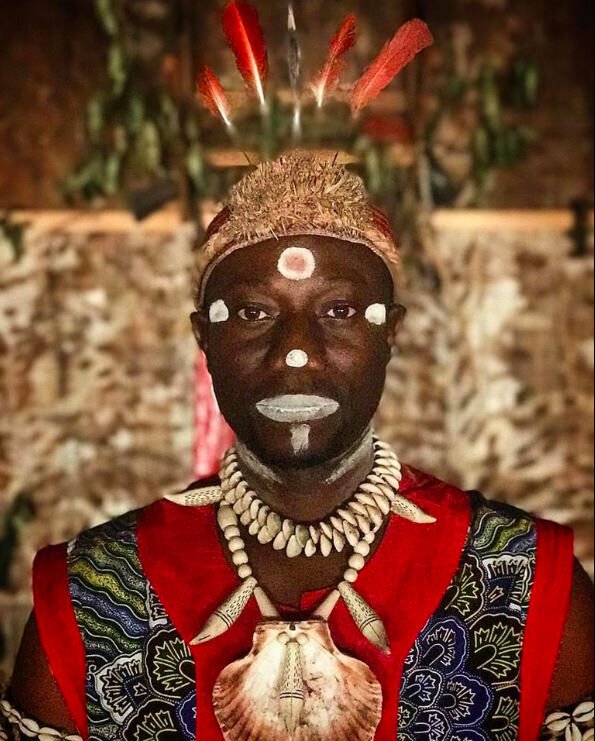
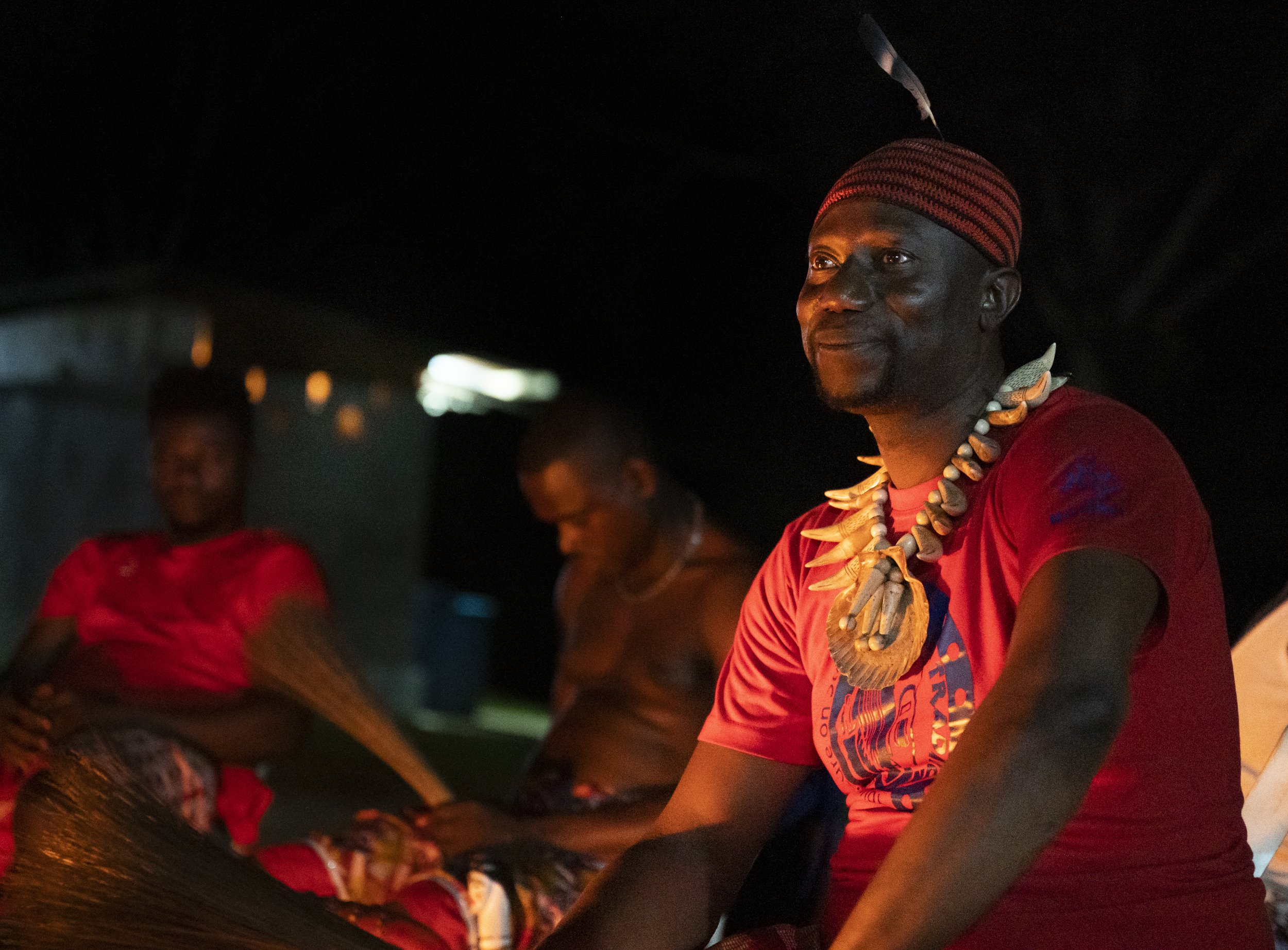
Iboga is used freely in Bwiti ceremonies for initiation, healing, and spiritual practice. There is no restriction on its use within traditional ceremonial contexts. Bwiti House operates its flagship retreat program in Gabon, led by Moughenda Mikala, a 10th-generation Bwiti shaman.

For seekers, Gabon offers the most authentic legal context for iboga the original source, in the original tradition, with uninterrupted lineage.

United States β€” Schedule I, But Changing Fast

Ibogaine has been classified as a Schedule I controlled substance in the United States since 1970, placing it alongside heroin and LSD as substances with "no accepted medical use." Federal law also covers any material that contains ibogaine, including iboga root bark. This classification has been increasingly challenged by emerging research.

Colorado decriminalised ibogaine for personal use in November 2022 via Proposition 122, which also covered psilocybin, mescaline, and DMT. Adults 21+ may possess, share, and use these substances privately without state criminal penalty; selling remains illegal and federal law still applies.

Texas β€” The Most Significant Development: In June 2025, Governor Greg Abbott signed Senate Bill 2308, allocating $50 million to the IMPACT (Ibogaine as Medicine for Posttraumatic stress and Addiction Clinical Trial) consortium. Led by UTHealth Houston and the University of Texas Medical Branch (UTMB), the programme is conducting FDA-tracked ibogaine trials for veterans and first responders with PTSD, TBI, and addiction. This is the largest state-funded psychedelic medicine programme in US history.

The Texas trials are not open to the general public. Americans seeking ibogaine today travel abroad, most often to Mexico or Gabon. Read our full guide to ibogaine in the USA, including the 2026 executive order and iboga churches.

VA Treatment: The US Department of Veterans Affairs does not cover ibogaine treatment. Veterans must pay out of pocket. Some non-profits offer partial scholarships for veteran participants.

Mexico β€” Not Controlled, but Not Approved

Ibogaine does not appear in the narcotics or psychotropics lists of Mexico's General Health Law, but it has no sanitary registration from COFEPRIS either: it is not controlled, and it is not an approved medicine. This has led to the world's highest concentration of private ibogaine clinics, primarily in Baja California (Tijuana, Rosarito, Ensenada), around CancΓΊn and in TepoztlΓ‘n, Morelos.

Standards vary enormously. Some clinics operate with emergency physicians, cardiac monitoring and a hospital nearby; others operate with minimal safety protocols, and deaths have been reported. Cardiac screening (12-lead ECG) is non-negotiable regardless of where treatment is performed. Read our guide to ibogaine in Mexico.

Costa Rica β€” An Official Warning in 2025

In January 2025, Costa Rica's Ministry of Health issued a health warning describing ritual healing with ibogaine as an unauthorised practice, noting that ibogaine is not a registered health product and asking the public not to use or promote it. This followed the death of a foreign tourist at a retreat in 2024. See our guide to ibogaine in Costa Rica.

Canada β€” Technically Available, Practically Inaccessible

Since May 2017, ibogaine has been on Health Canada's Prescription Drug List. It is not scheduled under the Controlled Drugs and Substances Act, but it is not authorised for sale in Canada, so access requires an application to Health Canada's Special Access Program (SAP), which is intended for patients with serious or life-threatening conditions who have exhausted standard treatments.

The SAP process is complex, slow, and rarely approved for ibogaine specifically. In practice, the vast majority of Canadians seeking ibogaine travel to Mexico or Gabon. Read our guide to ibogaine in Canada.

United Kingdom β€” Class A

Ibogaine is classified as a Class A controlled substance in the UK under the Misuse of Drugs Act 1971  the same category as heroin and cocaine. Possession carries up to 7 years imprisonment; supply carries up to life imprisonment.

There is no legal domestic pathway for ibogaine treatment in the UK. UK citizens seeking treatment travel to the Netherlands, Portugal, or further afield.

Portugal β€” Not Controlled, Not Decriminalised

You will often read that ibogaine was "decriminalised" in Portugal in 2001. That is inaccurate: the 2001 reform covers only the drugs listed in the tables of Decree-Law 15/93, and ibogaine is not listed there at all. Ibogaine is simply not a controlled substance in Portugal, and it is not an authorised medicine either.

This is why private iboga and ibogaine programmes operate in Portugal, particularly around Lisbon and Sintra, and why nobody checks their medical standards for you. Read our guide to ibogaine in Portugal.

Netherlands β€” Not Controlled

Ibogaine is not scheduled in the Netherlands, but it is not an authorised medicine either. The Netherlands has had private ibogaine treatment providers since the 1990s, partly due to the advocacy of Howard Lotsof, who died in Amsterdam in 2010.

Australia β€” Prescription-Only, but Not Available in Practice

In Australia, ibogaine has been listed in Schedule 4 of the Poisons Standard (prescription-only medicines) since 2010. No ibogaine product is approved by the Therapeutic Goods Administration (TGA), it is not prescribed in practice, and importing it without authorisation is unlawful, so there is no practical domestic treatment pathway.

Australians seeking ibogaine treatment therefore usually travel overseas. Check the current Poisons Standard on the TGA website before making any decision, and read our page on iboga and ibogaine for Australians.

The Road Ahead: FDA Pathway and Global Trends

The legal landscape for ibogaine is shifting in the direction of increasing access in several key jurisdictions:

  • In the United States, momentum is building at the state level, with decriminalisation in Colorado and state-funded, FDA-tracked clinical research now underway in Texas pointing toward a possible federal medical pathway over time.
  • In parts of Europe, ibogaine remains outside drug control in countries such as Portugal, the Czech Republic and the Netherlands, while others, such as Switzerland, France and Iceland, prohibit it.
  • Growing clinical interest in ibogaine for addiction and trauma is encouraging more rigorous research, which tends to precede regulatory reconsideration.
  • Gabon remains the enduring reference point, where iboga is legally protected as a national treasure and the Bwiti tradition continues uninterrupted.

For now, the practical reality is unchanged: seekers in prohibition countries travel to places where iboga or ibogaine is legal or not controlled, such as Gabon, Mexico and the Netherlands, and anyone considering treatment should prioritise proper cardiac screening and experienced, lineage-trained providers.

Frequently Asked Questions

Can I bring iboga back to my country after a retreat?
No. Carrying ibogaine across international borders constitutes drug trafficking in countries where it is scheduled, regardless of where you obtained it. Never transport iboga or ibogaine across any border without explicit legal clearance.

Is iboga legal in Gabon for foreigners?
Yes. Traditional Bwiti ceremonies in Gabon are legal for both Gabonese citizens and foreigners. Bwiti House operates legally in Gabon and has done so since 1990.

What about the plant itself  is growing Tabernanthe iboga illegal?
It depends on the country. Some countries, such as Iceland, ban the plant by name. In the US, federal law schedules any material containing ibogaine, and iboga root bark contains it, so do not assume the plant is legal where ibogaine is scheduled.

Is it safe to travel to Mexico for ibogaine treatment?
Safety in ibogaine treatment depends on the quality of the centre, not the country. Deaths have been reported at clinics with poor screening. Always verify cardiac screening, continuous monitoring and a doctor on site before booking.

Will ibogaine show up on a pre-employment drug screen?
Standard pre-employment drug screens (NIDA-5 panel) do not test for ibogaine. It is not detectable on standard tests. Specialised extended panels can detect it.

This article is for educational purposes only. Legal status changes. Verify current laws in your jurisdiction with a qualified legal professional before making any decisions. This is not legal advice.
Last updated: October 2026. Legal status can change. Always verify current laws in your jurisdiction before making any decisions.

Why Iboga's Legal Status Is So Complicated

Iboga and its primary alkaloid ibogaine sit in a legal grey area that varies dramatically from total prohibition to national treasure status depending on where you are in the world. In most Western countries, ibogaine was swept into drug scheduling laws during the 1960s–1970s War on Drugs before any clinical research had been conducted on its therapeutic potential.

Today, as research accumulates, including a 2024 Stanford study of 30 U.S. special forces veterans published in Nature Medicine, which reported large reductions in PTSD symptoms one month after treatment (an observational study without a control group), the legal landscape is beginning to shift. But it is shifting slowly, and unevenly.

This guide covers every major country where iboga seekers are likely to be based or travel. Note that "not controlled" is not the same as "legal treatment": outside Gabon's traditional context, no country on this list authorises ibogaine as an approved medicine.

Quick Reference: Legal Status by Country


🟒 Gabon β€” National treasure, fully legal in traditional ceremonies

🟒 Mozambique β€” Unscheduled

🟒 South Africa β€” Unscheduled


🟑 Mexico β€” Not a controlled substance; not an approved medicine

🟑 Netherlands β€” Not a controlled substance; not an approved medicine

🟑 Portugal β€” Not a controlled substance; not an authorised medicine

🟑 Czech Republic β€” Not a controlled substance (confirmed by the Ministry of Health in 2025); not an authorised medicine

🟑 Germany β€” No ibogaine-specific regulation; status unclear, check with BfArM

🟑 Spain β€” Personal use tolerated; no scheduling

🟑 Brazil β€” Prescription-only (approved for medical use in SΓ£o Paulo state in 2016)


🟠 Costa Rica β€” Not on the controlled list, but the Ministry of Health warned in January 2025 that ibogaine healing is an unauthorised practice

🟠 Canada β€” Prescription Drug List since 2017; not authorised for sale, access only via Health Canada's Special Access Program

🟠 New Zealand β€” Class C controlled substance

🟠 Australia β€” Schedule 4 (prescription-only) since 2010; not prescribed in practice, no domestic treatment pathway


πŸ”΄ United States β€” Schedule I

πŸ”΄ United Kingdom β€” Class A

πŸ”΄ France β€” Prohibited

πŸ”΄ Belgium β€” Prohibited

πŸ”΄ Switzerland β€” Listed as a prohibited narcotic

πŸ”΄ Sweden β€” Scheduled

πŸ”΄ Norway β€” Scheduled

πŸ”΄ Denmark β€” Scheduled

πŸ”΄ Finland β€” Scheduled

πŸ”΄ Ireland β€” Scheduled

πŸ”΄ Israel β€” Prohibited

πŸ”΄ Japan β€” Prohibited

πŸ”΄ Singapore β€” Prohibited

Detailed country guides with official sources: USA, Canada, Mexico, Costa Rica, Australia, Portugal, Switzerland, Czech Republic and Iceland (where both the plant and ibogaine are banned).

Country Deep Dives

Gabon β€” Where Iboga Is a National Treasure

Gabon is the origin country of iboga and the heartland of the Bwiti tradition. In 2000, the Gabonese government officially declared iboga a National Treasure and protected cultural heritage. Its ceremonial use is constitutionally protected as a religious right for adherents of the Bwiti tradition.

Iboga is used freely in Bwiti ceremonies for initiation, healing, and spiritual practice. There is no restriction on its use within traditional ceremonial contexts. Bwiti House operates its flagship retreat program in Gabon, led by Moughenda Mikala, a 10th-generation Bwiti shaman.

For seekers, Gabon offers the most authentic legal context for iboga the original source, in the original tradition, with uninterrupted lineage.

United States β€” Schedule I, But Changing Fast

Ibogaine has been classified as a Schedule I controlled substance in the United States since 1970, placing it alongside heroin and LSD as substances with "no accepted medical use." Federal law also covers any material that contains ibogaine, including iboga root bark. This classification has been increasingly challenged by emerging research.

Colorado decriminalised ibogaine for personal use in November 2022 via Proposition 122, which also covered psilocybin, mescaline, and DMT. Adults 21+ may possess, share, and use these substances privately without state criminal penalty; selling remains illegal and federal law still applies.

Texas β€” The Most Significant Development: In June 2025, Governor Greg Abbott signed Senate Bill 2308, allocating $50 million to the IMPACT (Ibogaine as Medicine for Posttraumatic stress and Addiction Clinical Trial) consortium. Led by UTHealth Houston and the University of Texas Medical Branch (UTMB), the programme is conducting FDA-tracked ibogaine trials for veterans and first responders with PTSD, TBI, and addiction. This is the largest state-funded psychedelic medicine programme in US history.

The Texas trials are not open to the general public. Americans seeking ibogaine today travel abroad, most often to Mexico or Gabon. Read our full guide to ibogaine in the USA, including the 2026 executive order and iboga churches.

VA Treatment: The US Department of Veterans Affairs does not cover ibogaine treatment. Veterans must pay out of pocket. Some non-profits offer partial scholarships for veteran participants.

Mexico β€” Not Controlled, but Not Approved

Ibogaine does not appear in the narcotics or psychotropics lists of Mexico's General Health Law, but it has no sanitary registration from COFEPRIS either: it is not controlled, and it is not an approved medicine. This has led to the world's highest concentration of private ibogaine clinics, primarily in Baja California (Tijuana, Rosarito, Ensenada), around CancΓΊn and in TepoztlΓ‘n, Morelos.

Standards vary enormously. Some clinics operate with emergency physicians, cardiac monitoring and a hospital nearby; others operate with minimal safety protocols, and deaths have been reported. Cardiac screening (12-lead ECG) is non-negotiable regardless of where treatment is performed. Read our guide to ibogaine in Mexico.

Costa Rica β€” An Official Warning in 2025

In January 2025, Costa Rica's Ministry of Health issued a health warning describing ritual healing with ibogaine as an unauthorised practice, noting that ibogaine is not a registered health product and asking the public not to use or promote it. This followed the death of a foreign tourist at a retreat in 2024. See our guide to ibogaine in Costa Rica.

Canada β€” Technically Available, Practically Inaccessible

Since May 2017, ibogaine has been on Health Canada's Prescription Drug List. It is not scheduled under the Controlled Drugs and Substances Act, but it is not authorised for sale in Canada, so access requires an application to Health Canada's Special Access Program (SAP), which is intended for patients with serious or life-threatening conditions who have exhausted standard treatments.

The SAP process is complex, slow, and rarely approved for ibogaine specifically. In practice, the vast majority of Canadians seeking ibogaine travel to Mexico or Gabon. Read our guide to ibogaine in Canada.

United Kingdom β€” Class A

Ibogaine is classified as a Class A controlled substance in the UK under the Misuse of Drugs Act 1971  the same category as heroin and cocaine. Possession carries up to 7 years imprisonment; supply carries up to life imprisonment.

There is no legal domestic pathway for ibogaine treatment in the UK. UK citizens seeking treatment travel to the Netherlands, Portugal, or further afield.

Portugal β€” Not Controlled, Not Decriminalised

You will often read that ibogaine was "decriminalised" in Portugal in 2001. That is inaccurate: the 2001 reform covers only the drugs listed in the tables of Decree-Law 15/93, and ibogaine is not listed there at all. Ibogaine is simply not a controlled substance in Portugal, and it is not an authorised medicine either.

This is why private iboga and ibogaine programmes operate in Portugal, particularly around Lisbon and Sintra, and why nobody checks their medical standards for you. Read our guide to ibogaine in Portugal.

Netherlands β€” Not Controlled

Ibogaine is not scheduled in the Netherlands, but it is not an authorised medicine either. The Netherlands has had private ibogaine treatment providers since the 1990s, partly due to the advocacy of Howard Lotsof, who died in Amsterdam in 2010.

Australia β€” Prescription-Only, but Not Available in Practice

In Australia, ibogaine has been listed in Schedule 4 of the Poisons Standard (prescription-only medicines) since 2010. No ibogaine product is approved by the Therapeutic Goods Administration (TGA), it is not prescribed in practice, and importing it without authorisation is unlawful, so there is no practical domestic treatment pathway.

Australians seeking ibogaine treatment therefore usually travel overseas. Check the current Poisons Standard on the TGA website before making any decision, and read our page on iboga and ibogaine for Australians.

The Road Ahead: FDA Pathway and Global Trends

The legal landscape for ibogaine is shifting in the direction of increasing access in several key jurisdictions:

  • In the United States, momentum is building at the state level, with decriminalisation in Colorado and state-funded, FDA-tracked clinical research now underway in Texas pointing toward a possible federal medical pathway over time.
  • In parts of Europe, ibogaine remains outside drug control in countries such as Portugal, the Czech Republic and the Netherlands, while others, such as Switzerland, France and Iceland, prohibit it.
  • Growing clinical interest in ibogaine for addiction and trauma is encouraging more rigorous research, which tends to precede regulatory reconsideration.
  • Gabon remains the enduring reference point, where iboga is legally protected as a national treasure and the Bwiti tradition continues uninterrupted.

For now, the practical reality is unchanged: seekers in prohibition countries travel to places where iboga or ibogaine is legal or not controlled, such as Gabon, Mexico and the Netherlands, and anyone considering treatment should prioritise proper cardiac screening and experienced, lineage-trained providers.

Frequently Asked Questions

Can I bring iboga back to my country after a retreat?
No. Carrying ibogaine across international borders constitutes drug trafficking in countries where it is scheduled, regardless of where you obtained it. Never transport iboga or ibogaine across any border without explicit legal clearance.

Is iboga legal in Gabon for foreigners?
Yes. Traditional Bwiti ceremonies in Gabon are legal for both Gabonese citizens and foreigners. Bwiti House operates legally in Gabon and has done so since 1990.

What about the plant itself  is growing Tabernanthe iboga illegal?
It depends on the country. Some countries, such as Iceland, ban the plant by name. In the US, federal law schedules any material containing ibogaine, and iboga root bark contains it, so do not assume the plant is legal where ibogaine is scheduled.

Is it safe to travel to Mexico for ibogaine treatment?
Safety in ibogaine treatment depends on the quality of the centre, not the country. Deaths have been reported at clinics with poor screening. Always verify cardiac screening, continuous monitoring and a doctor on site before booking.

Will ibogaine show up on a pre-employment drug screen?
Standard pre-employment drug screens (NIDA-5 panel) do not test for ibogaine. It is not detectable on standard tests. Specialised extended panels can detect it.

This article is for educational purposes only. Legal status changes. Verify current laws in your jurisdiction with a qualified legal professional before making any decisions. This is not legal advice.

Is Iboga Legal? Complete Country-by-Country Guide (2026) - Bwiti House Iboga retreat
Home
/
Blog
/
Is Iboga Legal? Country Guide 2026
Group 47 (2) - Bwiti House Iboga retreat
by
Bwiti House
Icons8 Semaine Civile 32 - Bwiti House Iboga retreat
18/2/2026
Icons8 Minuteur 32 - Bwiti House Iboga retreat
12min

Last updated: October 2026. Legal status can change. Always verify current laws in your jurisdiction before making any decisions.

Why Iboga's Legal Status Is So Complicated

Iboga and its primary alkaloid ibogaine sit in a legal grey area that varies dramatically from total prohibition to national treasure status depending on where you are in the world. In most Western countries, ibogaine was swept into drug scheduling laws during the 1960s–1970s War on Drugs before any clinical research had been conducted on its therapeutic potential.

Today, as research accumulates, including a 2024 Stanford study of 30 U.S. special forces veterans published in Nature Medicine, which reported large reductions in PTSD symptoms one month after treatment (an observational study without a control group), the legal landscape is beginning to shift. But it is shifting slowly, and unevenly.

This guide covers every major country where iboga seekers are likely to be based or travel. Note that "not controlled" is not the same as "legal treatment": outside Gabon's traditional context, no country on this list authorises ibogaine as an approved medicine.

Quick Reference: Legal Status by Country


🟒 Gabon β€” National treasure, fully legal in traditional ceremonies

🟒 Mozambique β€” Unscheduled

🟒 South Africa β€” Unscheduled


🟑 Mexico β€” Not a controlled substance; not an approved medicine

🟑 Netherlands β€” Not a controlled substance; not an approved medicine

🟑 Portugal β€” Not a controlled substance; not an authorised medicine

🟑 Czech Republic β€” Not a controlled substance (confirmed by the Ministry of Health in 2025); not an authorised medicine

🟑 Germany β€” No ibogaine-specific regulation; status unclear, check with BfArM

🟑 Spain β€” Personal use tolerated; no scheduling

🟑 Brazil β€” Prescription-only (approved for medical use in SΓ£o Paulo state in 2016)


🟠 Costa Rica β€” Not on the controlled list, but the Ministry of Health warned in January 2025 that ibogaine healing is an unauthorised practice

🟠 Canada β€” Prescription Drug List since 2017; not authorised for sale, access only via Health Canada's Special Access Program

🟠 New Zealand β€” Class C controlled substance

🟠 Australia β€” Schedule 4 (prescription-only) since 2010; not prescribed in practice, no domestic treatment pathway


πŸ”΄ United States β€” Schedule I

πŸ”΄ United Kingdom β€” Class A

πŸ”΄ France β€” Prohibited

πŸ”΄ Belgium β€” Prohibited

πŸ”΄ Switzerland β€” Listed as a prohibited narcotic

πŸ”΄ Sweden β€” Scheduled

πŸ”΄ Norway β€” Scheduled

πŸ”΄ Denmark β€” Scheduled

πŸ”΄ Finland β€” Scheduled

πŸ”΄ Ireland β€” Scheduled

πŸ”΄ Israel β€” Prohibited

πŸ”΄ Japan β€” Prohibited

πŸ”΄ Singapore β€” Prohibited

Detailed country guides with official sources: USA, Canada, Mexico, Costa Rica, Australia, Portugal, Switzerland, Czech Republic and Iceland (where both the plant and ibogaine are banned).

Country Deep Dives

Gabon β€” Where Iboga Is a National Treasure

Gabon is the origin country of iboga and the heartland of the Bwiti tradition. In 2000, the Gabonese government officially declared iboga a National Treasure and protected cultural heritage. Its ceremonial use is constitutionally protected as a religious right for adherents of the Bwiti tradition.

Iboga is used freely in Bwiti ceremonies for initiation, healing, and spiritual practice. There is no restriction on its use within traditional ceremonial contexts. Bwiti House operates its flagship retreat program in Gabon, led by Moughenda Mikala, a 10th-generation Bwiti shaman.

For seekers, Gabon offers the most authentic legal context for iboga the original source, in the original tradition, with uninterrupted lineage.

United States β€” Schedule I, But Changing Fast

Ibogaine has been classified as a Schedule I controlled substance in the United States since 1970, placing it alongside heroin and LSD as substances with "no accepted medical use." Federal law also covers any material that contains ibogaine, including iboga root bark. This classification has been increasingly challenged by emerging research.

Colorado decriminalised ibogaine for personal use in November 2022 via Proposition 122, which also covered psilocybin, mescaline, and DMT. Adults 21+ may possess, share, and use these substances privately without state criminal penalty; selling remains illegal and federal law still applies.

Texas β€” The Most Significant Development: In June 2025, Governor Greg Abbott signed Senate Bill 2308, allocating $50 million to the IMPACT (Ibogaine as Medicine for Posttraumatic stress and Addiction Clinical Trial) consortium. Led by UTHealth Houston and the University of Texas Medical Branch (UTMB), the programme is conducting FDA-tracked ibogaine trials for veterans and first responders with PTSD, TBI, and addiction. This is the largest state-funded psychedelic medicine programme in US history.

The Texas trials are not open to the general public. Americans seeking ibogaine today travel abroad, most often to Mexico or Gabon. Read our full guide to ibogaine in the USA, including the 2026 executive order and iboga churches.

VA Treatment: The US Department of Veterans Affairs does not cover ibogaine treatment. Veterans must pay out of pocket. Some non-profits offer partial scholarships for veteran participants.

Mexico β€” Not Controlled, but Not Approved

Ibogaine does not appear in the narcotics or psychotropics lists of Mexico's General Health Law, but it has no sanitary registration from COFEPRIS either: it is not controlled, and it is not an approved medicine. This has led to the world's highest concentration of private ibogaine clinics, primarily in Baja California (Tijuana, Rosarito, Ensenada), around CancΓΊn and in TepoztlΓ‘n, Morelos.

Standards vary enormously. Some clinics operate with emergency physicians, cardiac monitoring and a hospital nearby; others operate with minimal safety protocols, and deaths have been reported. Cardiac screening (12-lead ECG) is non-negotiable regardless of where treatment is performed. Read our guide to ibogaine in Mexico.

Costa Rica β€” An Official Warning in 2025

In January 2025, Costa Rica's Ministry of Health issued a health warning describing ritual healing with ibogaine as an unauthorised practice, noting that ibogaine is not a registered health product and asking the public not to use or promote it. This followed the death of a foreign tourist at a retreat in 2024. See our guide to ibogaine in Costa Rica.

Canada β€” Technically Available, Practically Inaccessible

Since May 2017, ibogaine has been on Health Canada's Prescription Drug List. It is not scheduled under the Controlled Drugs and Substances Act, but it is not authorised for sale in Canada, so access requires an application to Health Canada's Special Access Program (SAP), which is intended for patients with serious or life-threatening conditions who have exhausted standard treatments.

The SAP process is complex, slow, and rarely approved for ibogaine specifically. In practice, the vast majority of Canadians seeking ibogaine travel to Mexico or Gabon. Read our guide to ibogaine in Canada.

United Kingdom β€” Class A

Ibogaine is classified as a Class A controlled substance in the UK under the Misuse of Drugs Act 1971  the same category as heroin and cocaine. Possession carries up to 7 years imprisonment; supply carries up to life imprisonment.

There is no legal domestic pathway for ibogaine treatment in the UK. UK citizens seeking treatment travel to the Netherlands, Portugal, or further afield.

Portugal β€” Not Controlled, Not Decriminalised

You will often read that ibogaine was "decriminalised" in Portugal in 2001. That is inaccurate: the 2001 reform covers only the drugs listed in the tables of Decree-Law 15/93, and ibogaine is not listed there at all. Ibogaine is simply not a controlled substance in Portugal, and it is not an authorised medicine either.

This is why private iboga and ibogaine programmes operate in Portugal, particularly around Lisbon and Sintra, and why nobody checks their medical standards for you. Read our guide to ibogaine in Portugal.

Netherlands β€” Not Controlled

Ibogaine is not scheduled in the Netherlands, but it is not an authorised medicine either. The Netherlands has had private ibogaine treatment providers since the 1990s, partly due to the advocacy of Howard Lotsof, who died in Amsterdam in 2010.

Australia β€” Prescription-Only, but Not Available in Practice

In Australia, ibogaine has been listed in Schedule 4 of the Poisons Standard (prescription-only medicines) since 2010. No ibogaine product is approved by the Therapeutic Goods Administration (TGA), it is not prescribed in practice, and importing it without authorisation is unlawful, so there is no practical domestic treatment pathway.

Australians seeking ibogaine treatment therefore usually travel overseas. Check the current Poisons Standard on the TGA website before making any decision, and read our page on iboga and ibogaine for Australians.

The Road Ahead: FDA Pathway and Global Trends

The legal landscape for ibogaine is shifting in the direction of increasing access in several key jurisdictions:

  • In the United States, momentum is building at the state level, with decriminalisation in Colorado and state-funded, FDA-tracked clinical research now underway in Texas pointing toward a possible federal medical pathway over time.
  • In parts of Europe, ibogaine remains outside drug control in countries such as Portugal, the Czech Republic and the Netherlands, while others, such as Switzerland, France and Iceland, prohibit it.
  • Growing clinical interest in ibogaine for addiction and trauma is encouraging more rigorous research, which tends to precede regulatory reconsideration.
  • Gabon remains the enduring reference point, where iboga is legally protected as a national treasure and the Bwiti tradition continues uninterrupted.

For now, the practical reality is unchanged: seekers in prohibition countries travel to places where iboga or ibogaine is legal or not controlled, such as Gabon, Mexico and the Netherlands, and anyone considering treatment should prioritise proper cardiac screening and experienced, lineage-trained providers.

Frequently Asked Questions

Can I bring iboga back to my country after a retreat?
No. Carrying ibogaine across international borders constitutes drug trafficking in countries where it is scheduled, regardless of where you obtained it. Never transport iboga or ibogaine across any border without explicit legal clearance.

Is iboga legal in Gabon for foreigners?
Yes. Traditional Bwiti ceremonies in Gabon are legal for both Gabonese citizens and foreigners. Bwiti House operates legally in Gabon and has done so since 1990.

What about the plant itself  is growing Tabernanthe iboga illegal?
It depends on the country. Some countries, such as Iceland, ban the plant by name. In the US, federal law schedules any material containing ibogaine, and iboga root bark contains it, so do not assume the plant is legal where ibogaine is scheduled.

Is it safe to travel to Mexico for ibogaine treatment?
Safety in ibogaine treatment depends on the quality of the centre, not the country. Deaths have been reported at clinics with poor screening. Always verify cardiac screening, continuous monitoring and a doctor on site before booking.

Will ibogaine show up on a pre-employment drug screen?
Standard pre-employment drug screens (NIDA-5 panel) do not test for ibogaine. It is not detectable on standard tests. Specialised extended panels can detect it.

This article is for educational purposes only. Legal status changes. Verify current laws in your jurisdiction with a qualified legal professional before making any decisions. This is not legal advice.

Home
/
Blog
/
Is Iboga Legal? Country Guide 2026
πŸ‡ΊπŸ‡Έ US TRAVELERS WELCOME YEAR-ROUND. WE ASSIST WITH THE VISA INVITATION LETTER REQUIRED FOR ENTRY TO GABON.     β€’     πŸ‡ΊπŸ‡Έ πŸ‡ΊπŸ‡Έ US TRAVELERS WELCOME YEAR-ROUND. WE ASSIST WITH THE VISA INVITATION LETTER REQUIRED FOR ENTRY TO GABON.     β€’