🇺🇸 ATTENTION US CITIZENS: Recent entry restrictions do NOT apply to Bwiti House guests. We continue to welcome US travelers year-round via our official government invitations.     •     🇺🇸 ATTENTION US CITIZENS: Recent entry restrictions do NOT apply to Bwiti House guests. We continue to welcome US travelers year-round via our official government invitations.     •    

Iboga for Addiction: How It Works and What Research Shows

Home
/
Blog
/
Iboga for Addiction: How It Works and What Research Shows
by
Bwiti House
22/3/2026
6min

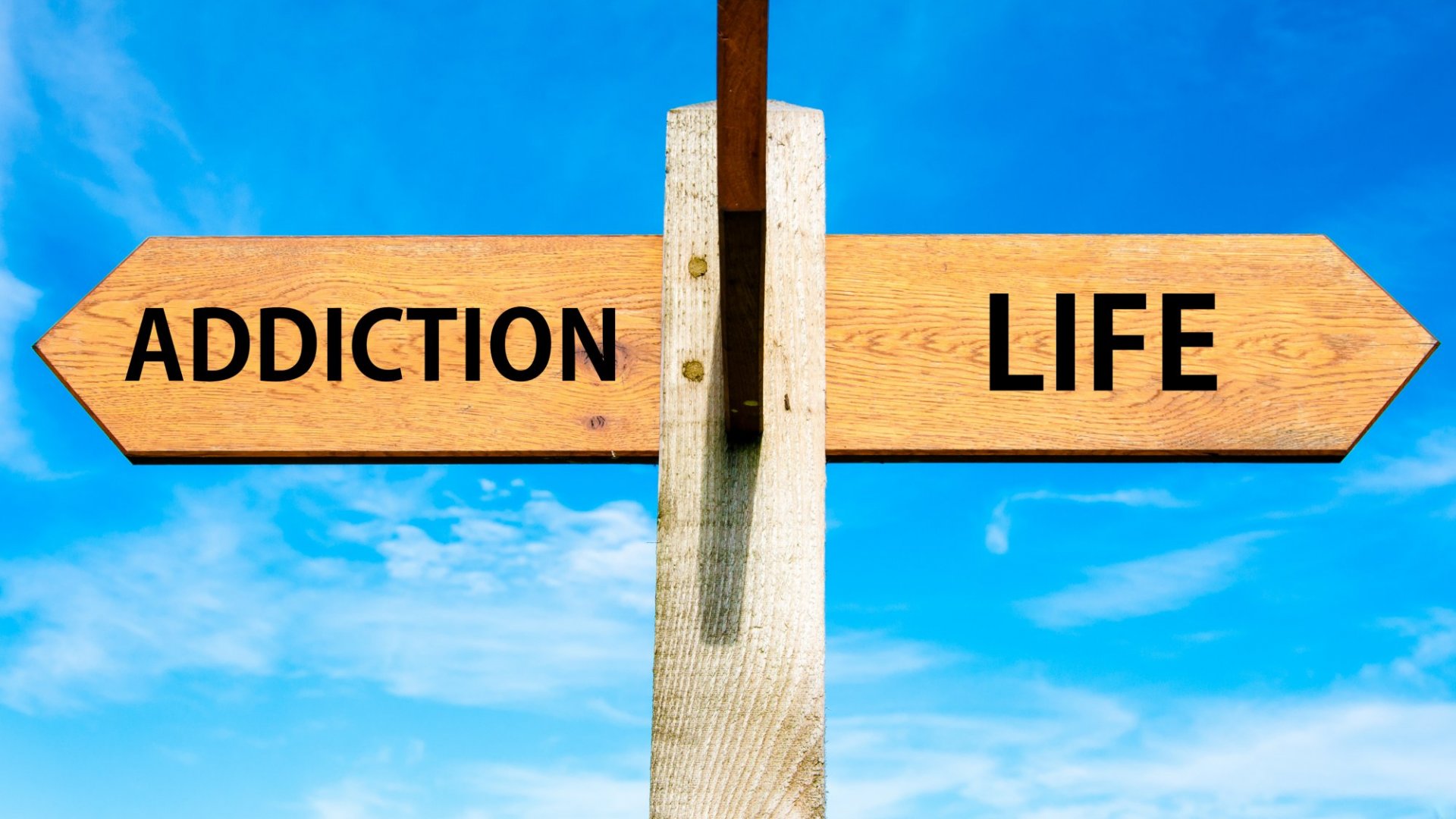
Addiction is a condition of disconnection, from the self, from others, from meaning. Conventional treatments address the symptoms: the chemical dependency, the behavioral patterns, the immediate health risks. But they rarely reach the root.

Iboga reaches the root. This is not metaphor, it is the consistent observation of thousands of cases over 35 years at Bwiti House, supported by a growing body of scientific research. Iboga and its primary alkaloid ibogaine address addiction simultaneously at the physical, psychological, and spiritual levels in a way no other known substance or therapy can match.

The Addiction Crisis

The global addiction epidemic continues to worsen. Opioid overdose deaths in the United States alone have surpassed 100,000 annually. Alcohol-related deaths exceed 140,000 per year. Meanwhile, conventional treatment approaches, medication-assisted treatment (MAT), behavioral therapy, 12-step programs, while valuable, show sobering long-term success rates.

Relapse rates for substance use disorders remain between 40 and 60 percent within the first year, comparable to relapse rates for other chronic conditions like diabetes and hypertension. For opioid use disorder specifically, the five-year recovery rate with standard treatment ranges from 20 to 40 percent depending on the study and definition of recovery.

These numbers are not a failure of individual willpower. They reflect a fundamental limitation of treatments that address the downstream symptoms of addiction without resolving its upstream causes.

How Iboga Addresses Addiction: Four Levels

Level 1: Physical Detoxification

For individuals physically dependent on opioids, alcohol, or other substances, the fear of withdrawal is often the primary barrier to recovery. Opioid withdrawal, in particular, produces such severe physical distress that many individuals continue using simply to avoid the experience.

Ibogaine interacts with opioid receptors in a way that can dramatically reduce or eliminate withdrawal symptoms. Research published in peer-reviewed journals has documented cases where individuals dependent on heroin, methadone, or prescription opioids have transitioned through the withdrawal period with minimal physical discomfort after a single ibogaine session.

The mechanism involves ibogaine's binding to both kappa and mu opioid receptors, combined with its conversion to noribogaine, a metabolite with a much longer half-life that continues to modulate opioid receptors for days to weeks after the initial session. This creates a sustained buffer against withdrawal.

At Bwiti House, we work with the complete root bark rather than isolated ibogaine. The full alkaloid spectrum provides a more gradual, sustained detoxification process that many participants find more manageable than the concentrated pharmacological impact of ibogaine HCL alone.

Level 2: Neurochemical Reset

Beyond acute detoxification, iboga appears to reset the neurochemical imbalances that chronic substance use creates. Years of drug or alcohol use alter the brain's reward circuitry — dopamine receptors downregulate, serotonin systems become dysregulated, and the brain's natural capacity for pleasure and motivation diminishes.

Research suggests that ibogaine can restore receptor sensitivity and rebalance neurotransmitter systems, effectively returning the brain toward its pre-addiction baseline. This "neurochemical reset" is why many participants report that after iboga treatment, the obsessive craving for their substance simply... stops.

This is qualitatively different from what MAT provides. Medications like methadone or buprenorphine manage cravings by continuing to occupy opioid receptors, essentially substituting one form of opioid dependence for another. Iboga aims to resolve the underlying neurochemical dysregulation rather than managing it.

Level 3: Psychological Insight

Perhaps the most unique aspect of iboga's approach to addiction is the psychological dimension. During the iboga experience, participants typically undergo an extended period of deep introspection during which they confront the root causes of their addictive behavior with extraordinary clarity.

Common experiences include vivid recall of traumatic events, recognition of emotional patterns that drive substance use, and direct confrontation with the consequences of addictive behavior on the self and others. These are not abstract therapeutic insights, they are felt, embodied, visceral experiences that produce the kind of deep knowing that changes behavior.

Many participants report experiencing what is described as a "life review", a panoramic encounter with their personal history that illuminates how they arrived at their current situation. This review often reveals connections between early experiences (childhood trauma, attachment wounds, unprocessed grief) and the development of addictive patterns, connections that years of talk therapy may not have surfaced.

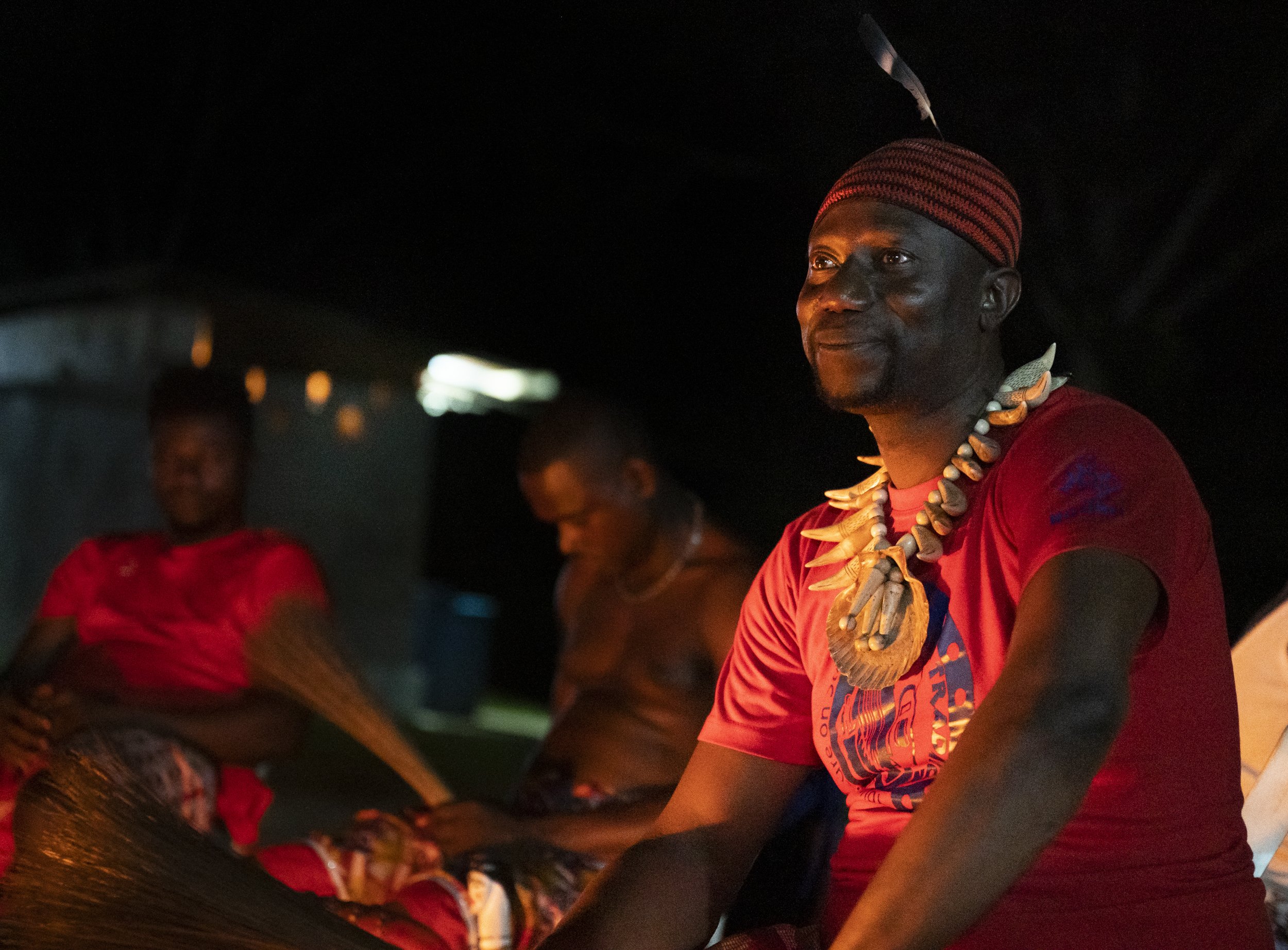
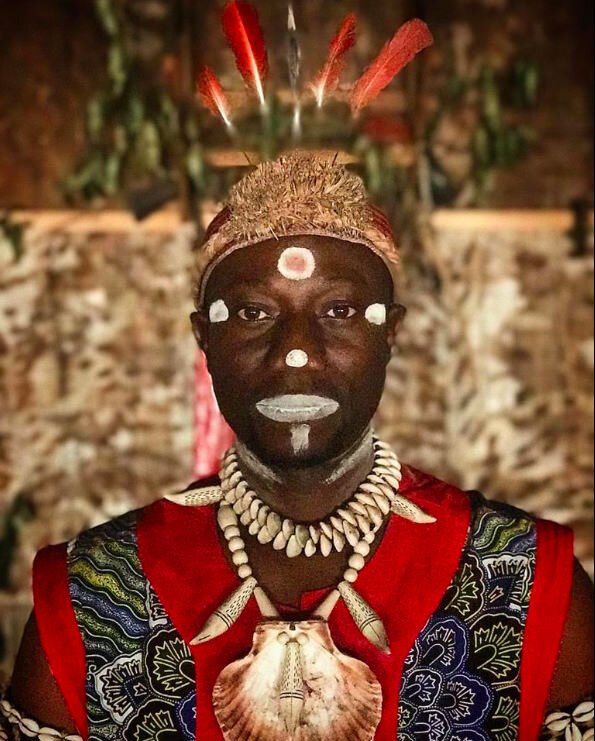
The Bwiti ceremonial framework is specifically designed to support this psychological dimension. The shaman guides the participant through difficult emotional terrain, the music provides a supportive acoustic container, and the communal setting offers the witnessing and validation that deep psychological work requires.

Level 4: Spiritual Reconnection

Addiction is, at its deepest level, a crisis of meaning and connection. People turn to substances because they are disconnected from themselves, from others, from any sense of purpose or belonging that makes sobriety worth choosing.

Iboga, within the Bwiti tradition, addresses this directly. It reconnects individuals to what the Bwiti call their "truth", their authentic self, stripped of the defensive structures, the borrowed identities, and the numbing strategies that addiction represents.

This spiritual dimension is often dismissed by clinical approaches, but it is the element that most consistently predicts long-term recovery. Participants who emerge from iboga ceremony with a renewed sense of who they are and why they are alive, not just freed from chemical dependency but reconnected to something worth being sober for, show dramatically better long-term outcomes.

What the Research Shows

Observational studies and case series have documented ibogaine's efficacy for addiction across multiple substance categories:

**Opioids:** The strongest evidence exists for opioid addiction. Multiple published studies report significant reduction in withdrawal symptoms, cravings, and substance use following ibogaine treatment. A frequently cited observational study reported that approximately 50 percent of participants maintained abstinence at 12 months — notably higher than rates reported for standard treatments.

**Cocaine and stimulants:** Research suggests ibogaine can reduce cocaine cravings and use, though the evidence base is smaller than for opioids. The neuroplasticity-enhancing effects may be particularly relevant for stimulant addiction, where neural circuit remodeling is needed to break established behavioral patterns.

**Alcohol:** Published case reports and observational data suggest benefits for alcohol use disorder, though systematic studies are limited. At Bwiti House, we have observed significant success with alcohol addiction, particularly when combined with the full traditional ceremonial process.

**Polydrug use:** Many individuals present with multiple substance dependencies simultaneously. Iboga's multi-system pharmacology makes it particularly well-suited to polydrug cases where targeted single-substance treatments are insufficient.

Discover our iboga retreat

14-Days with a 10 generation Missoko bwiti shaman. Start your journey or ask for info on whatsapp

Why Traditional Ceremony Enhances Recovery

A critical observation from our 35 years of experience: the context in which iboga is administered significantly influences addiction treatment outcomes.

Individuals who receive iboga within the full Bwiti ceremonial framework — with music, ritual, community, and experienced spiritual guidance — consistently show better long-term recovery than those who receive ibogaine in purely clinical settings. This is not a controlled comparison; it is an observation based on tracking outcomes across our network of over 50 trained providers worldwide.

Several factors likely explain this difference:

**Depth of psychological processing.** The ceremonial environment facilitates deeper access to the traumatic and emotional material that underlies addiction. Clinical settings, however well-intentioned, often lack the experiential richness needed to reach these depths.

**Meaning-making.** The Bwiti framework provides a coherent narrative structure for the experience — a way of understanding what happened and what it means. This narrative structure aids integration, which is critical for translating insight into behavioral change.

**Community.** Recovery from addiction requires reconnection to others. The communal nature of Bwiti ceremony begins this reconnection process within the treatment itself, rather than deferring it to aftercare.

**Spiritual context.** For many individuals with addiction, their substance was filling a spiritual void. The Bwiti tradition directly addresses this void, offering practices and perspectives that can sustain the individual long after the ceremony ends.

Our Approach at Bwiti House

Our addiction treatment programs are designed to address every level of the condition:

**Pre-treatment preparation** includes comprehensive medical screening, substance history review, intention-setting conversations, and education about what to expect. Individuals on opioids follow specific tapering protocols before arrival.

**The ceremonial process** spans multiple days and includes several iboga sessions of increasing depth, interspersed with integration, teaching, and rest. Each participant receives individualized attention from our shamans and medical team.

**Post-treatment integration** includes follow-up conversations, connection to our global community of alumni, and guidance on practices that support sustained recovery.

We do not claim that iboga is a cure for addiction. Addiction is a complex, multifaceted condition and no single intervention resolves it entirely. What iboga provides, uniquely and powerfully, is a comprehensive intervention that addresses the physical, psychological, and spiritual dimensions simultaneously, creating the conditions in which genuine, lasting recovery becomes possible.

The work of recovery continues after ceremony. But iboga can remove the obstacles that make that work impossible, the physical dependency, the neurochemical imbalances, the unprocessed trauma, the disconnection from self, and replace them with clarity, motivation, and a renewed sense of purpose.

Is Iboga Right for Your Situation?

Iboga treatment for addiction is not appropriate for everyone. Medical contraindications, active psychosis, certain cardiac conditions, and specific medication interactions all require careful evaluation.

We encourage anyone considering this path to contact our team for a confidential conversation about their specific situation. We will be honest with you about whether our program is appropriate, and if it is not, we will do our best to direct you toward resources that are.

---

*Bwiti House has been providing traditional iboga healing since 1990. Our addiction treatment programs combine the ancient wisdom of the Bwiti tradition with modern medical safety protocols.*

Addiction is a condition of disconnection, from the self, from others, from meaning. Conventional treatments address the symptoms: the chemical dependency, the behavioral patterns, the immediate health risks. But they rarely reach the root.

Iboga reaches the root. This is not metaphor, it is the consistent observation of thousands of cases over 35 years at Bwiti House, supported by a growing body of scientific research. Iboga and its primary alkaloid ibogaine address addiction simultaneously at the physical, psychological, and spiritual levels in a way no other known substance or therapy can match.

The Addiction Crisis

The global addiction epidemic continues to worsen. Opioid overdose deaths in the United States alone have surpassed 100,000 annually. Alcohol-related deaths exceed 140,000 per year. Meanwhile, conventional treatment approaches, medication-assisted treatment (MAT), behavioral therapy, 12-step programs, while valuable, show sobering long-term success rates.

Relapse rates for substance use disorders remain between 40 and 60 percent within the first year, comparable to relapse rates for other chronic conditions like diabetes and hypertension. For opioid use disorder specifically, the five-year recovery rate with standard treatment ranges from 20 to 40 percent depending on the study and definition of recovery.

These numbers are not a failure of individual willpower. They reflect a fundamental limitation of treatments that address the downstream symptoms of addiction without resolving its upstream causes.

How Iboga Addresses Addiction: Four Levels

Level 1: Physical Detoxification

For individuals physically dependent on opioids, alcohol, or other substances, the fear of withdrawal is often the primary barrier to recovery. Opioid withdrawal, in particular, produces such severe physical distress that many individuals continue using simply to avoid the experience.

Ibogaine interacts with opioid receptors in a way that can dramatically reduce or eliminate withdrawal symptoms. Research published in peer-reviewed journals has documented cases where individuals dependent on heroin, methadone, or prescription opioids have transitioned through the withdrawal period with minimal physical discomfort after a single ibogaine session.

The mechanism involves ibogaine's binding to both kappa and mu opioid receptors, combined with its conversion to noribogaine, a metabolite with a much longer half-life that continues to modulate opioid receptors for days to weeks after the initial session. This creates a sustained buffer against withdrawal.

At Bwiti House, we work with the complete root bark rather than isolated ibogaine. The full alkaloid spectrum provides a more gradual, sustained detoxification process that many participants find more manageable than the concentrated pharmacological impact of ibogaine HCL alone.

Level 2: Neurochemical Reset

Beyond acute detoxification, iboga appears to reset the neurochemical imbalances that chronic substance use creates. Years of drug or alcohol use alter the brain's reward circuitry — dopamine receptors downregulate, serotonin systems become dysregulated, and the brain's natural capacity for pleasure and motivation diminishes.

Research suggests that ibogaine can restore receptor sensitivity and rebalance neurotransmitter systems, effectively returning the brain toward its pre-addiction baseline. This "neurochemical reset" is why many participants report that after iboga treatment, the obsessive craving for their substance simply... stops.

This is qualitatively different from what MAT provides. Medications like methadone or buprenorphine manage cravings by continuing to occupy opioid receptors, essentially substituting one form of opioid dependence for another. Iboga aims to resolve the underlying neurochemical dysregulation rather than managing it.

Level 3: Psychological Insight

Perhaps the most unique aspect of iboga's approach to addiction is the psychological dimension. During the iboga experience, participants typically undergo an extended period of deep introspection during which they confront the root causes of their addictive behavior with extraordinary clarity.

Common experiences include vivid recall of traumatic events, recognition of emotional patterns that drive substance use, and direct confrontation with the consequences of addictive behavior on the self and others. These are not abstract therapeutic insights, they are felt, embodied, visceral experiences that produce the kind of deep knowing that changes behavior.

Many participants report experiencing what is described as a "life review", a panoramic encounter with their personal history that illuminates how they arrived at their current situation. This review often reveals connections between early experiences (childhood trauma, attachment wounds, unprocessed grief) and the development of addictive patterns, connections that years of talk therapy may not have surfaced.

The Bwiti ceremonial framework is specifically designed to support this psychological dimension. The shaman guides the participant through difficult emotional terrain, the music provides a supportive acoustic container, and the communal setting offers the witnessing and validation that deep psychological work requires.

Level 4: Spiritual Reconnection

Addiction is, at its deepest level, a crisis of meaning and connection. People turn to substances because they are disconnected from themselves, from others, from any sense of purpose or belonging that makes sobriety worth choosing.

Iboga, within the Bwiti tradition, addresses this directly. It reconnects individuals to what the Bwiti call their "truth", their authentic self, stripped of the defensive structures, the borrowed identities, and the numbing strategies that addiction represents.

This spiritual dimension is often dismissed by clinical approaches, but it is the element that most consistently predicts long-term recovery. Participants who emerge from iboga ceremony with a renewed sense of who they are and why they are alive, not just freed from chemical dependency but reconnected to something worth being sober for, show dramatically better long-term outcomes.

What the Research Shows

Observational studies and case series have documented ibogaine's efficacy for addiction across multiple substance categories:

**Opioids:** The strongest evidence exists for opioid addiction. Multiple published studies report significant reduction in withdrawal symptoms, cravings, and substance use following ibogaine treatment. A frequently cited observational study reported that approximately 50 percent of participants maintained abstinence at 12 months — notably higher than rates reported for standard treatments.

**Cocaine and stimulants:** Research suggests ibogaine can reduce cocaine cravings and use, though the evidence base is smaller than for opioids. The neuroplasticity-enhancing effects may be particularly relevant for stimulant addiction, where neural circuit remodeling is needed to break established behavioral patterns.

**Alcohol:** Published case reports and observational data suggest benefits for alcohol use disorder, though systematic studies are limited. At Bwiti House, we have observed significant success with alcohol addiction, particularly when combined with the full traditional ceremonial process.

**Polydrug use:** Many individuals present with multiple substance dependencies simultaneously. Iboga's multi-system pharmacology makes it particularly well-suited to polydrug cases where targeted single-substance treatments are insufficient.

Why Traditional Ceremony Enhances Recovery

A critical observation from our 35 years of experience: the context in which iboga is administered significantly influences addiction treatment outcomes.

Individuals who receive iboga within the full Bwiti ceremonial framework — with music, ritual, community, and experienced spiritual guidance — consistently show better long-term recovery than those who receive ibogaine in purely clinical settings. This is not a controlled comparison; it is an observation based on tracking outcomes across our network of over 50 trained providers worldwide.

Several factors likely explain this difference:

**Depth of psychological processing.** The ceremonial environment facilitates deeper access to the traumatic and emotional material that underlies addiction. Clinical settings, however well-intentioned, often lack the experiential richness needed to reach these depths.

**Meaning-making.** The Bwiti framework provides a coherent narrative structure for the experience — a way of understanding what happened and what it means. This narrative structure aids integration, which is critical for translating insight into behavioral change.

**Community.** Recovery from addiction requires reconnection to others. The communal nature of Bwiti ceremony begins this reconnection process within the treatment itself, rather than deferring it to aftercare.

**Spiritual context.** For many individuals with addiction, their substance was filling a spiritual void. The Bwiti tradition directly addresses this void, offering practices and perspectives that can sustain the individual long after the ceremony ends.

Our Approach at Bwiti House

Our addiction treatment programs are designed to address every level of the condition:

**Pre-treatment preparation** includes comprehensive medical screening, substance history review, intention-setting conversations, and education about what to expect. Individuals on opioids follow specific tapering protocols before arrival.

**The ceremonial process** spans multiple days and includes several iboga sessions of increasing depth, interspersed with integration, teaching, and rest. Each participant receives individualized attention from our shamans and medical team.

**Post-treatment integration** includes follow-up conversations, connection to our global community of alumni, and guidance on practices that support sustained recovery.

We do not claim that iboga is a cure for addiction. Addiction is a complex, multifaceted condition and no single intervention resolves it entirely. What iboga provides, uniquely and powerfully, is a comprehensive intervention that addresses the physical, psychological, and spiritual dimensions simultaneously, creating the conditions in which genuine, lasting recovery becomes possible.

The work of recovery continues after ceremony. But iboga can remove the obstacles that make that work impossible, the physical dependency, the neurochemical imbalances, the unprocessed trauma, the disconnection from self, and replace them with clarity, motivation, and a renewed sense of purpose.

Is Iboga Right for Your Situation?

Iboga treatment for addiction is not appropriate for everyone. Medical contraindications, active psychosis, certain cardiac conditions, and specific medication interactions all require careful evaluation.

We encourage anyone considering this path to contact our team for a confidential conversation about their specific situation. We will be honest with you about whether our program is appropriate, and if it is not, we will do our best to direct you toward resources that are.

---

*Bwiti House has been providing traditional iboga healing since 1990. Our addiction treatment programs combine the ancient wisdom of the Bwiti tradition with modern medical safety protocols.*

Home
/
Blog
/
Iboga for Addiction: How It Works and What Research Shows
Group 47 (2) - Bwiti House Iboga retreat
by
Bwiti House
Icons8 Semaine Civile 32 - Bwiti House Iboga retreat
22/3/2026
Icons8 Minuteur 32 - Bwiti House Iboga retreat
6min

Addiction is a condition of disconnection, from the self, from others, from meaning. Conventional treatments address the symptoms: the chemical dependency, the behavioral patterns, the immediate health risks. But they rarely reach the root.

Iboga reaches the root. This is not metaphor, it is the consistent observation of thousands of cases over 35 years at Bwiti House, supported by a growing body of scientific research. Iboga and its primary alkaloid ibogaine address addiction simultaneously at the physical, psychological, and spiritual levels in a way no other known substance or therapy can match.

The Addiction Crisis

The global addiction epidemic continues to worsen. Opioid overdose deaths in the United States alone have surpassed 100,000 annually. Alcohol-related deaths exceed 140,000 per year. Meanwhile, conventional treatment approaches, medication-assisted treatment (MAT), behavioral therapy, 12-step programs, while valuable, show sobering long-term success rates.

Relapse rates for substance use disorders remain between 40 and 60 percent within the first year, comparable to relapse rates for other chronic conditions like diabetes and hypertension. For opioid use disorder specifically, the five-year recovery rate with standard treatment ranges from 20 to 40 percent depending on the study and definition of recovery.

These numbers are not a failure of individual willpower. They reflect a fundamental limitation of treatments that address the downstream symptoms of addiction without resolving its upstream causes.

How Iboga Addresses Addiction: Four Levels

Level 1: Physical Detoxification

For individuals physically dependent on opioids, alcohol, or other substances, the fear of withdrawal is often the primary barrier to recovery. Opioid withdrawal, in particular, produces such severe physical distress that many individuals continue using simply to avoid the experience.

Ibogaine interacts with opioid receptors in a way that can dramatically reduce or eliminate withdrawal symptoms. Research published in peer-reviewed journals has documented cases where individuals dependent on heroin, methadone, or prescription opioids have transitioned through the withdrawal period with minimal physical discomfort after a single ibogaine session.

The mechanism involves ibogaine's binding to both kappa and mu opioid receptors, combined with its conversion to noribogaine, a metabolite with a much longer half-life that continues to modulate opioid receptors for days to weeks after the initial session. This creates a sustained buffer against withdrawal.

At Bwiti House, we work with the complete root bark rather than isolated ibogaine. The full alkaloid spectrum provides a more gradual, sustained detoxification process that many participants find more manageable than the concentrated pharmacological impact of ibogaine HCL alone.

Level 2: Neurochemical Reset

Beyond acute detoxification, iboga appears to reset the neurochemical imbalances that chronic substance use creates. Years of drug or alcohol use alter the brain's reward circuitry — dopamine receptors downregulate, serotonin systems become dysregulated, and the brain's natural capacity for pleasure and motivation diminishes.

Research suggests that ibogaine can restore receptor sensitivity and rebalance neurotransmitter systems, effectively returning the brain toward its pre-addiction baseline. This "neurochemical reset" is why many participants report that after iboga treatment, the obsessive craving for their substance simply... stops.

This is qualitatively different from what MAT provides. Medications like methadone or buprenorphine manage cravings by continuing to occupy opioid receptors, essentially substituting one form of opioid dependence for another. Iboga aims to resolve the underlying neurochemical dysregulation rather than managing it.

Level 3: Psychological Insight

Perhaps the most unique aspect of iboga's approach to addiction is the psychological dimension. During the iboga experience, participants typically undergo an extended period of deep introspection during which they confront the root causes of their addictive behavior with extraordinary clarity.

Common experiences include vivid recall of traumatic events, recognition of emotional patterns that drive substance use, and direct confrontation with the consequences of addictive behavior on the self and others. These are not abstract therapeutic insights, they are felt, embodied, visceral experiences that produce the kind of deep knowing that changes behavior.

Many participants report experiencing what is described as a "life review", a panoramic encounter with their personal history that illuminates how they arrived at their current situation. This review often reveals connections between early experiences (childhood trauma, attachment wounds, unprocessed grief) and the development of addictive patterns, connections that years of talk therapy may not have surfaced.

The Bwiti ceremonial framework is specifically designed to support this psychological dimension. The shaman guides the participant through difficult emotional terrain, the music provides a supportive acoustic container, and the communal setting offers the witnessing and validation that deep psychological work requires.

Level 4: Spiritual Reconnection

Addiction is, at its deepest level, a crisis of meaning and connection. People turn to substances because they are disconnected from themselves, from others, from any sense of purpose or belonging that makes sobriety worth choosing.

Iboga, within the Bwiti tradition, addresses this directly. It reconnects individuals to what the Bwiti call their "truth", their authentic self, stripped of the defensive structures, the borrowed identities, and the numbing strategies that addiction represents.

This spiritual dimension is often dismissed by clinical approaches, but it is the element that most consistently predicts long-term recovery. Participants who emerge from iboga ceremony with a renewed sense of who they are and why they are alive, not just freed from chemical dependency but reconnected to something worth being sober for, show dramatically better long-term outcomes.

What the Research Shows

Observational studies and case series have documented ibogaine's efficacy for addiction across multiple substance categories:

**Opioids:** The strongest evidence exists for opioid addiction. Multiple published studies report significant reduction in withdrawal symptoms, cravings, and substance use following ibogaine treatment. A frequently cited observational study reported that approximately 50 percent of participants maintained abstinence at 12 months — notably higher than rates reported for standard treatments.

**Cocaine and stimulants:** Research suggests ibogaine can reduce cocaine cravings and use, though the evidence base is smaller than for opioids. The neuroplasticity-enhancing effects may be particularly relevant for stimulant addiction, where neural circuit remodeling is needed to break established behavioral patterns.

**Alcohol:** Published case reports and observational data suggest benefits for alcohol use disorder, though systematic studies are limited. At Bwiti House, we have observed significant success with alcohol addiction, particularly when combined with the full traditional ceremonial process.

**Polydrug use:** Many individuals present with multiple substance dependencies simultaneously. Iboga's multi-system pharmacology makes it particularly well-suited to polydrug cases where targeted single-substance treatments are insufficient.

Why Traditional Ceremony Enhances Recovery

A critical observation from our 35 years of experience: the context in which iboga is administered significantly influences addiction treatment outcomes.

Individuals who receive iboga within the full Bwiti ceremonial framework — with music, ritual, community, and experienced spiritual guidance — consistently show better long-term recovery than those who receive ibogaine in purely clinical settings. This is not a controlled comparison; it is an observation based on tracking outcomes across our network of over 50 trained providers worldwide.

Several factors likely explain this difference:

**Depth of psychological processing.** The ceremonial environment facilitates deeper access to the traumatic and emotional material that underlies addiction. Clinical settings, however well-intentioned, often lack the experiential richness needed to reach these depths.

**Meaning-making.** The Bwiti framework provides a coherent narrative structure for the experience — a way of understanding what happened and what it means. This narrative structure aids integration, which is critical for translating insight into behavioral change.

**Community.** Recovery from addiction requires reconnection to others. The communal nature of Bwiti ceremony begins this reconnection process within the treatment itself, rather than deferring it to aftercare.

**Spiritual context.** For many individuals with addiction, their substance was filling a spiritual void. The Bwiti tradition directly addresses this void, offering practices and perspectives that can sustain the individual long after the ceremony ends.

Our Approach at Bwiti House

Our addiction treatment programs are designed to address every level of the condition:

**Pre-treatment preparation** includes comprehensive medical screening, substance history review, intention-setting conversations, and education about what to expect. Individuals on opioids follow specific tapering protocols before arrival.

**The ceremonial process** spans multiple days and includes several iboga sessions of increasing depth, interspersed with integration, teaching, and rest. Each participant receives individualized attention from our shamans and medical team.

**Post-treatment integration** includes follow-up conversations, connection to our global community of alumni, and guidance on practices that support sustained recovery.

We do not claim that iboga is a cure for addiction. Addiction is a complex, multifaceted condition and no single intervention resolves it entirely. What iboga provides, uniquely and powerfully, is a comprehensive intervention that addresses the physical, psychological, and spiritual dimensions simultaneously, creating the conditions in which genuine, lasting recovery becomes possible.

The work of recovery continues after ceremony. But iboga can remove the obstacles that make that work impossible, the physical dependency, the neurochemical imbalances, the unprocessed trauma, the disconnection from self, and replace them with clarity, motivation, and a renewed sense of purpose.

Is Iboga Right for Your Situation?

Iboga treatment for addiction is not appropriate for everyone. Medical contraindications, active psychosis, certain cardiac conditions, and specific medication interactions all require careful evaluation.

We encourage anyone considering this path to contact our team for a confidential conversation about their specific situation. We will be honest with you about whether our program is appropriate, and if it is not, we will do our best to direct you toward resources that are.

---

*Bwiti House has been providing traditional iboga healing since 1990. Our addiction treatment programs combine the ancient wisdom of the Bwiti tradition with modern medical safety protocols.*

Home
/
Blog
/
Iboga for Addiction: How It Works and What Research Shows