.svg)


Bwiti is a profound spiritual tradition originating in Central Africa, particularly Gabon, where it intertwines deeply with the sacred iboga plant.
For several millenials , Bwiti rituals have used iboga as a bridge to spiritual insight, healing, and self-discovery. This is why this unique tradition reflects an extremely rich cultural heritage, while offering powerful lessons about connection and balance within the human spirit. Nothing less.
What is Bwiti? A Journey into the Gabonese Spiritual Tradition
Bwiti is a rich spiritual tradition born in Central Africa, deeply rooted in the practices of the Pygmy tribes who first discovered the sacred iboga plant.
It’s not a religion but a "school of life", specifically focused on self-discovery, connection, and personal growth. It means that rather than relying on external beliefs or doctrines, Bwiti emphasizes direct experience, which is encouraging individuals to explore their own truths through rituals and the transformative power of iboga.
What does this tradition offer? Simply a deeply grounded philosophy, a great balance with nature, respect for ancestors, and especially a clear understanding of one’s purpose.
Through Bwiti, iboga is more than a plant: it’s a sacred tool for uncovering the wisdom within yourself and the world around you. We can even say that It’s a whole journey into clarity, healing, and spiritual insight that has guided generations in Gabon and beyond.
The Role of Iboga in Bwiti
In Bwiti tradition, iboga is a sacred teacher, used for centuries in ceremonies. Its role: guide individuals on profound journeys of self-discovery and healing.
How? Through visions and deep introspection, iboga helps people confront their truths, release emotional burdens, and finally reconnect with their purpose.
But you need to know that iboga’s role in Bwiti rituals goes beyond personal transformation. We can describe it as a bridge to the spiritual world, providing clarity and wisdom passed down through generations.
This is why iboga is celebrated as a national treasure in Gabon, not just for its cultural significance but for the healing it continues to bring to countless lives.
For the Bwiti, iboga is a gift: one that teaches, heals, and unites the body, mind, and spirit.
Bwiti Practices and Teachings: A Path to Self-Discovery
Bwiti is a tradition, yes, but it’s also a way of life designed to guide individuals toward clarity, balance, and inner peace. Through its teachings and rituals, you can accede to profound lessons about living in harmony with yourself and the world:
- Gratitude and connection: First and foremost, Bwiti emphasizes deep respect for life, urging individuals to live with gratitude for the natural world and the people around them. These interconnectedness of all things foster a sense of harmony and responsibility.
- Freedom from attachments: At its core, Bwiti teaches the importance of letting go: releasing fear, material attachments, and emotional burdens to find true freedom, all important elements to be able to face life’s challenges.
- Music and dance as sacred tools: Music and dance also play a huge role in Bwiti ceremonies, serving as a bridge to the spiritual world. Instruments like the Mougongo (mouth bow) and Ngombi harp are used to call upon ancestors and spirits, creating a profound connection between the physical and spiritual realms.
Keep in mind that Bwiti practices are not just rituals: they’re a transformative journey into self-discovery and a deeper understanding of life’s beauty and purpose. All of that.
Discover our iboga retreat and initiation
The Missoko Bwiti Tradition: Guardians of Ancestral Wisdom
The Missoko Bwiti tradition stands as one of the oldest and most revered branches of Bwiti, preserving centuries of ancestral knowledge. Deeply rooted in Gabonese culture, Missoko Bwiti is known for its profound spiritual teachings and intricate rituals, all passed down through generations by oral transmission.
Direct experience and shared wisdom are extremely valued in this tradition, with each teaching carrying the weight of history and spiritual insight.
Within Missoko Bwiti, several branches (such as Ngonde, Mioba, Missoula, M'boundi, and Senguedia) provide unique perspectives and rituals, each one of them contributing to the depth and diversity of the tradition.
The whole point of these rituals is to connect practitioners with their ancestors, nature, and the spiritual realm. Thanks to this, as guardians of this ancestral wisdom, the Missoko continue to honor and evolve their practices, ensuring the legacy of Bwiti remains alive and vibrant for future generations.
Inside a Bwiti Temple: A Sacred Space for Rituals and Community
A Bwiti temple is not a simple physical structure, as it represents a real sacred space specifically designed to harmonize with nature. These open, airy spaces are often surrounded by the sounds of the forest, symbolizing the connection between the spiritual and natural worlds.
Within the temple, ceremonies take place to heal, celebrate, and guide individuals on their spiritual journeys. It’s also a communal space where counsel is given, stories are shared, and the bonds of the community are strengthened.
Key elements of Bwiti rituals bring the temple to life:
- Torches illuminate the space, representing the light of ancestral wisdom,
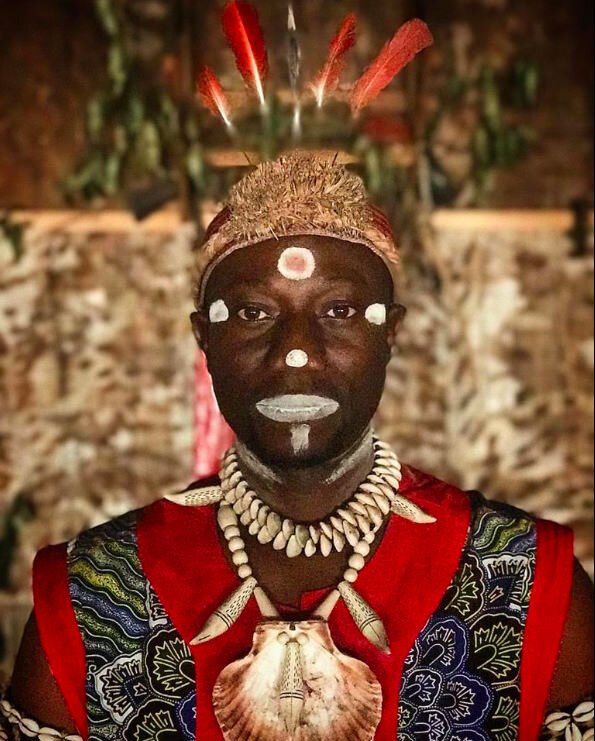
- Body paint is applied, symbolizing spiritual protection and transformation,
- Music and dance, with the beat of drums, the Ngombi harp, and chanting, are meant to create a bridge to the spiritual realm, inviting healing and guidance.
The temple is a living, sacred space where tradition, community, and spirit come together.
The Bwiti Initiation Rite: A Powerful Ceremony of Transformation
In Bwiti tradition, initiation is a life-changing experience, which can be described as a rite of passage that helps you see the world and yourself with new eyes.
In practice, this ceremony is using the sacred iboga plant to take you through a deep journey of cleansing, reflection, and powerful spiritual visions. It’s a chance to face your inner truths, let go of emotional weight, and reconnect with your purpose.
The N'ganga, the spiritual leader, is here to guide and protect you through the whole process, making sure everything unfolds in a safe and meaningful way.
So this isn’t just a ritual: we see it as a rebirth, a moment that transforms how you understand yourself and your place in the world. For those who go through it, initiation is even often described as one of the most profound experiences of their lives.
Bwiti and Syncretism: Interweaving Tradition with Modern Beliefs
Despite centuries of external pressures, including colonial persecution, Bwiti has held strong to its core values, preserving its rituals and teachings. This is why even today, it remains a tradition that honors the past while embracing the present, creating a bridge between ancient wisdom and modern understanding.
FAQ
What is the meaning of Bwiti?
Bwiti is often described as a "school of life," a spiritual tradition focused on self-discovery, balance, and a deep connection to the natural and spiritual worlds. It’s not a belief system but a way of living with purpose and gratitude.
Where is the Bwiti tribe located?
Bwiti practices are primarily found in Gabon, . While the core teachings are shared, there are variations in rituals and practices across different tribes and regions, as each one is serving a different purpose.
What is the Iboga ritual in Bwiti?
The Iboga ritual is a powerful healing process where participants consume the sacred iboga plant to gain spiritual visions and address emotional or physical challenges. This transformative ceremony fosters self-awareness and connection to ancestral wisdom To achieve clarity, peace of mind, and happiness, focus on simplifying your thoughts, embracing mindfulness, and nurturing gratitude for the present moment.
How old is Bwiti?
Bwiti is an ancient tradition with roots tracing back to the practices of the Pygmy tribes. Its teachings and rituals have been preserved and passed down for millenials.
What is the purpose of the Bwiti initiation ritual?
The initiation ritual helps individuals access profound spiritual wisdom, confront personal truths, and reconnect deeply with themselves and nature. It’s a transformative process marking a new chapter of clarity and purpose.