Iboga Retreat in Gabon vs Ibogaine Clinic in Mexico: What's the Difference?

Home
/
Blog
/
Iboga Retreat in Gabon vs Ibogaine Clinic in Mexico: What's the Difference?
by
Bwiti House
6/4/2026
8 min read

Two Worlds, One Plant

In recent years, ibogaine has become increasingly sought-after as a treatment for addiction, depression, PTSD, and trauma. This has given rise to two very different models of delivery: clinical ibogaine treatment centers — often based in Mexico — and traditional iboga retreats conducted in Gabon under the guidance of Bwiti shamans. Both involve the same fundamental compound. But the experience, intention, and outcomes they produce are quite different.

What Is an Ibogaine Clinic?

Ibogaine treatment centers, primarily located in Mexico, Portugal, and other countries where ibogaine is legal, typically operate on a medical model. They use ibogaine hydrochloride (HCl) — a purified, pharmaceutical-grade extract — administered under medical supervision with cardiac monitoring, nursing care, and psychiatric support. These centers cater primarily to individuals seeking addiction interruption, particularly from opioids, fentanyl, methamphetamine, and alcohol. The environment is clinical: private rooms, medical staff on call, EKG monitoring.

What Is an Iboga Retreat in Gabon?

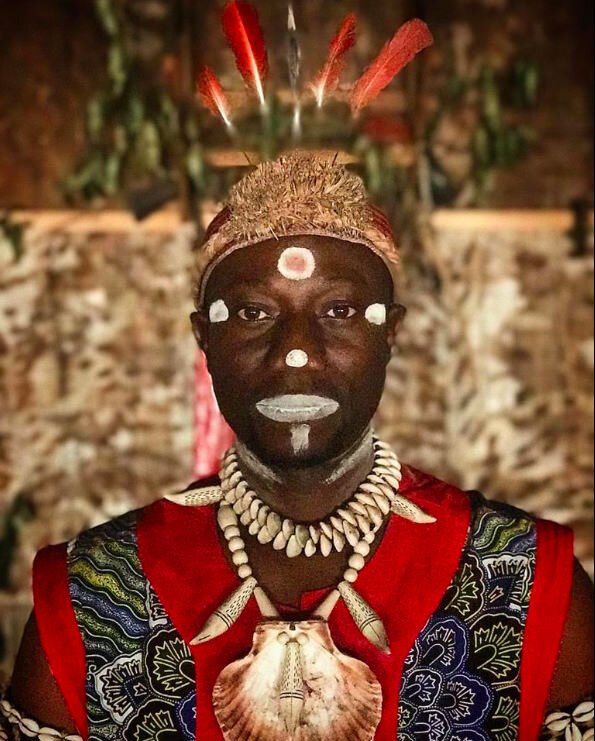
An iboga retreat in Gabon is a fundamentally different experience rooted in the Bwiti tradition — one of the oldest surviving spiritual traditions in Africa. The Bwiti use the whole root bark of Tabernanthe iboga, not an isolated extract. The setting is ceremonial, not clinical. And the guide is not a nurse or therapist, but an initiated shaman of deep lineage who has spent years training with the plant.

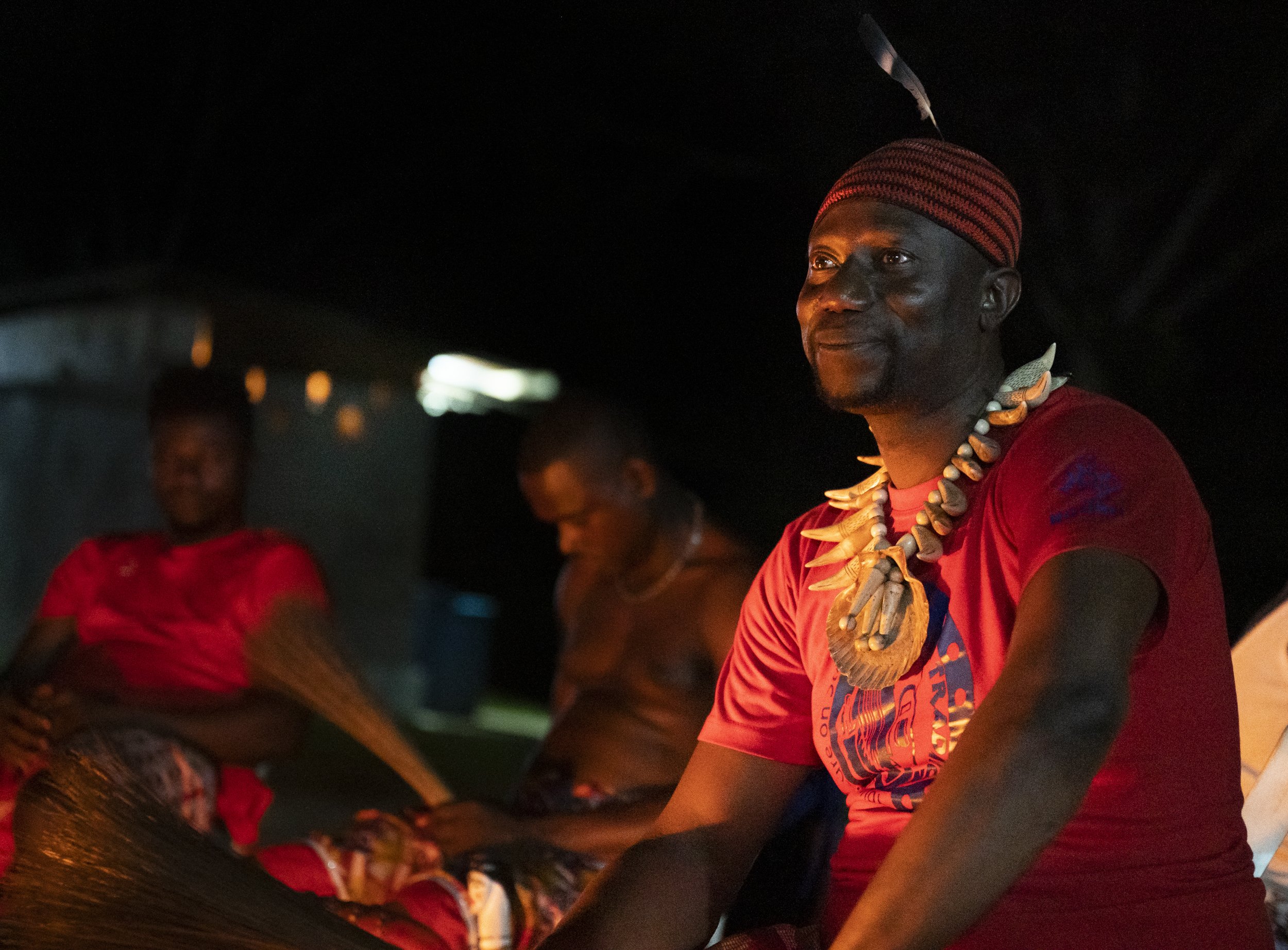
At Bwiti House in Gabon, ceremonies are led by Moughenda Mikala, a 10th-generation Missoko Bwiti shaman. His work does not begin when you arrive — it begins in the forest, with the plant itself, harvested and prepared according to traditions passed down for centuries.

Full Root Bark vs Ibogaine HCl

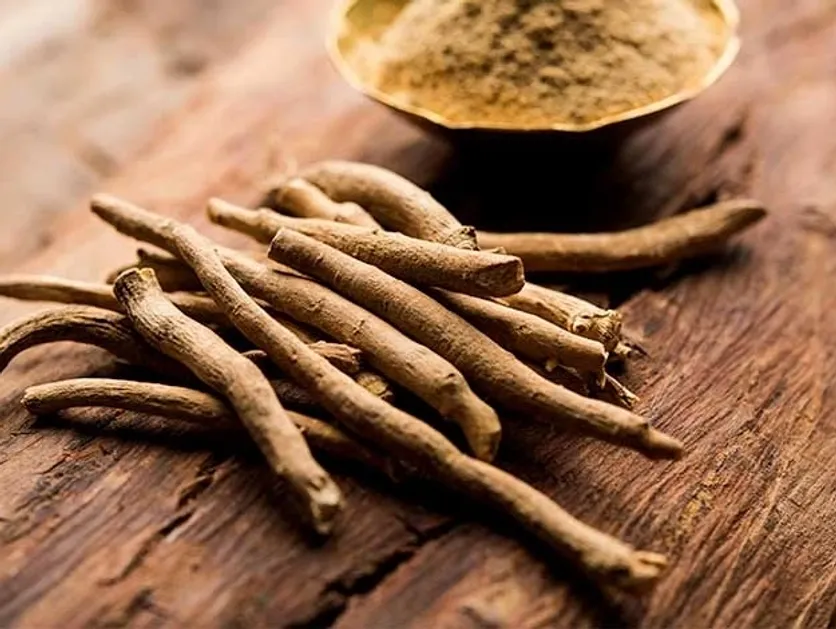
This is perhaps the most significant pharmacological distinction. Ibogaine HCl contains primarily ibogaine — the dominant alkaloid. But whole iboga root bark contains a complex matrix of 12 or more alkaloids — tabernanthine, ibogamine, ibogaline, coronaridine, and others. The synergistic interaction between these alkaloids produces a qualitatively different experience than isolated ibogaine. Participants who have experienced both consistently report the full root bark ceremony as more profound and more coherent.

Addiction Treatment vs Spiritual Initiation

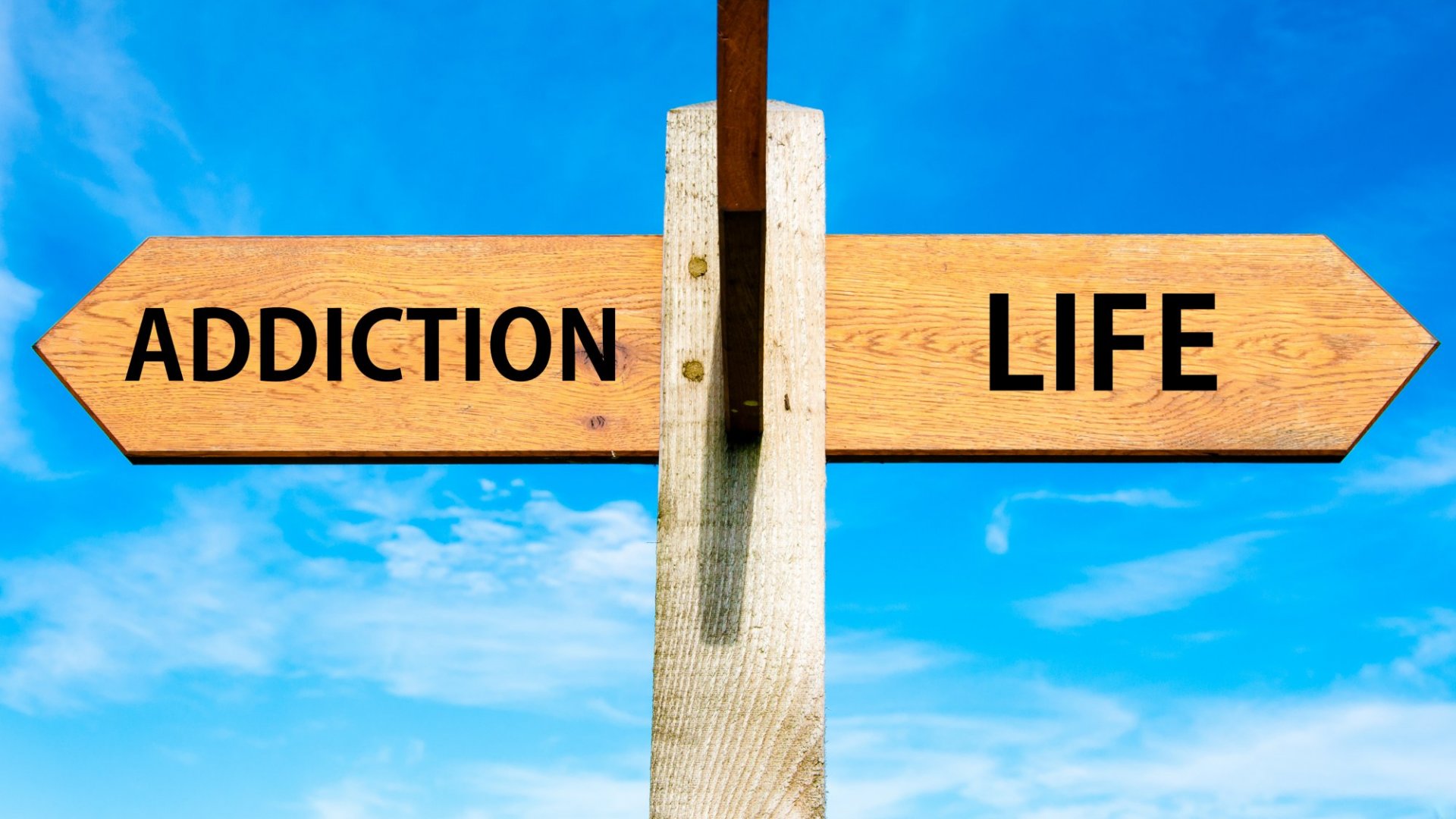
Ibogaine clinics frame the treatment as a medical intervention: interrupt the neurochemical basis of addiction, reduce withdrawal, reset the dopamine system. This framing is accurate and effective for the right candidates. But it is incomplete as a model of healing.

In the Bwiti tradition, what Western medicine calls addiction is understood as a form of spiritual disconnection — a soul that has lost its relationship to its own purpose, lineage, and community. Healing is not about interrupting a receptor cascade. It is about reconnecting to something larger. This is not a romanticization of indigenous practice over science — it is a recognition that healing is multidimensional, and that pharmacology and spirituality are not opposites but complements.

Discover our iboga retreat

14-Days with a 10 generation Missoko bwiti shaman. Start your journey or ask for info on whatsapp

Who Should Choose a Clinic vs a Retreat?

An ibogaine clinic may be appropriate if:

  • You are physically dependent on opioids or fentanyl and require medical supervision during withdrawal
  • You have significant cardiovascular risk factors requiring cardiac monitoring
  • Your primary goal is addiction interruption with medical oversight

An iboga retreat in Gabon may be appropriate if:

  • You are seeking deep spiritual work alongside or beyond addiction treatment
  • You want the full-spectrum root bark experience in its authentic cultural context
  • You are drawn to working with a traditional shaman of genuine lineage
  • You want to experience iboga as it has been practiced for centuries in Central West Africa
  • You are looking for personal transformation, not just symptom relief

Safety Considerations

Both ibogaine clinics and traditional iboga retreats carry real risks that must be taken seriously. Ibogaine can cause fatal cardiac arrhythmia in individuals with certain pre-existing conditions. A reputable clinic will require an EKG and medical clearance. At Bwiti House, all participants undergo thorough health screening and must receive medical clearance before ceremony.

The Role of Integration

Both clinic and retreat models increasingly recognize that what happens after the experience is as important as the experience itself. Noribogaine remains active for days after treatment, extending the window of neuroplasticity. At Bwiti House, integration support is built into the retreat structure, and participants are encouraged to plan a slow, supported return to daily life after ceremony.

Final Thoughts

The question is not whether a clinic or a retreat is better. The question is what you need, and what you are ready for. Ibogaine in a clinic can save a life. Iboga in Gabon with a Bwiti shaman can transform one. What matters most is choosing a provider with genuine expertise, undergoing proper medical screening, and approaching the experience with preparation and respect.
Two Worlds, One Plant

In recent years, ibogaine has become increasingly sought-after as a treatment for addiction, depression, PTSD, and trauma. This has given rise to two very different models of delivery: clinical ibogaine treatment centers — often based in Mexico — and traditional iboga retreats conducted in Gabon under the guidance of Bwiti shamans. Both involve the same fundamental compound. But the experience, intention, and outcomes they produce are quite different.

What Is an Ibogaine Clinic?

Ibogaine treatment centers, primarily located in Mexico, Portugal, and other countries where ibogaine is legal, typically operate on a medical model. They use ibogaine hydrochloride (HCl) — a purified, pharmaceutical-grade extract — administered under medical supervision with cardiac monitoring, nursing care, and psychiatric support. These centers cater primarily to individuals seeking addiction interruption, particularly from opioids, fentanyl, methamphetamine, and alcohol. The environment is clinical: private rooms, medical staff on call, EKG monitoring.

What Is an Iboga Retreat in Gabon?

An iboga retreat in Gabon is a fundamentally different experience rooted in the Bwiti tradition — one of the oldest surviving spiritual traditions in Africa. The Bwiti use the whole root bark of Tabernanthe iboga, not an isolated extract. The setting is ceremonial, not clinical. And the guide is not a nurse or therapist, but an initiated shaman of deep lineage who has spent years training with the plant.

At Bwiti House in Gabon, ceremonies are led by Moughenda Mikala, a 10th-generation Missoko Bwiti shaman. His work does not begin when you arrive — it begins in the forest, with the plant itself, harvested and prepared according to traditions passed down for centuries.

Full Root Bark vs Ibogaine HCl

This is perhaps the most significant pharmacological distinction. Ibogaine HCl contains primarily ibogaine — the dominant alkaloid. But whole iboga root bark contains a complex matrix of 12 or more alkaloids — tabernanthine, ibogamine, ibogaline, coronaridine, and others. The synergistic interaction between these alkaloids produces a qualitatively different experience than isolated ibogaine. Participants who have experienced both consistently report the full root bark ceremony as more profound and more coherent.

Addiction Treatment vs Spiritual Initiation

Ibogaine clinics frame the treatment as a medical intervention: interrupt the neurochemical basis of addiction, reduce withdrawal, reset the dopamine system. This framing is accurate and effective for the right candidates. But it is incomplete as a model of healing.

In the Bwiti tradition, what Western medicine calls addiction is understood as a form of spiritual disconnection — a soul that has lost its relationship to its own purpose, lineage, and community. Healing is not about interrupting a receptor cascade. It is about reconnecting to something larger. This is not a romanticization of indigenous practice over science — it is a recognition that healing is multidimensional, and that pharmacology and spirituality are not opposites but complements.

Who Should Choose a Clinic vs a Retreat?

An ibogaine clinic may be appropriate if:

  • You are physically dependent on opioids or fentanyl and require medical supervision during withdrawal
  • You have significant cardiovascular risk factors requiring cardiac monitoring
  • Your primary goal is addiction interruption with medical oversight

An iboga retreat in Gabon may be appropriate if:

  • You are seeking deep spiritual work alongside or beyond addiction treatment
  • You want the full-spectrum root bark experience in its authentic cultural context
  • You are drawn to working with a traditional shaman of genuine lineage
  • You want to experience iboga as it has been practiced for centuries in Central West Africa
  • You are looking for personal transformation, not just symptom relief

Safety Considerations

Both ibogaine clinics and traditional iboga retreats carry real risks that must be taken seriously. Ibogaine can cause fatal cardiac arrhythmia in individuals with certain pre-existing conditions. A reputable clinic will require an EKG and medical clearance. At Bwiti House, all participants undergo thorough health screening and must receive medical clearance before ceremony.

The Role of Integration

Both clinic and retreat models increasingly recognize that what happens after the experience is as important as the experience itself. Noribogaine remains active for days after treatment, extending the window of neuroplasticity. At Bwiti House, integration support is built into the retreat structure, and participants are encouraged to plan a slow, supported return to daily life after ceremony.

Final Thoughts

The question is not whether a clinic or a retreat is better. The question is what you need, and what you are ready for. Ibogaine in a clinic can save a life. Iboga in Gabon with a Bwiti shaman can transform one. What matters most is choosing a provider with genuine expertise, undergoing proper medical screening, and approaching the experience with preparation and respect.

Home
/
Blog
/
Iboga Retreat in Gabon vs Ibogaine Clinic in Mexico: What's the Difference?
Group 47 (2) - Bwiti House Iboga retreat
by
Bwiti House
Icons8 Semaine Civile 32 - Bwiti House Iboga retreat
6/4/2026
Icons8 Minuteur 32 - Bwiti House Iboga retreat
8 min read

Two Worlds, One Plant

In recent years, ibogaine has become increasingly sought-after as a treatment for addiction, depression, PTSD, and trauma. This has given rise to two very different models of delivery: clinical ibogaine treatment centers — often based in Mexico — and traditional iboga retreats conducted in Gabon under the guidance of Bwiti shamans. Both involve the same fundamental compound. But the experience, intention, and outcomes they produce are quite different.

What Is an Ibogaine Clinic?

Ibogaine treatment centers, primarily located in Mexico, Portugal, and other countries where ibogaine is legal, typically operate on a medical model. They use ibogaine hydrochloride (HCl) — a purified, pharmaceutical-grade extract — administered under medical supervision with cardiac monitoring, nursing care, and psychiatric support. These centers cater primarily to individuals seeking addiction interruption, particularly from opioids, fentanyl, methamphetamine, and alcohol. The environment is clinical: private rooms, medical staff on call, EKG monitoring.

What Is an Iboga Retreat in Gabon?

An iboga retreat in Gabon is a fundamentally different experience rooted in the Bwiti tradition — one of the oldest surviving spiritual traditions in Africa. The Bwiti use the whole root bark of Tabernanthe iboga, not an isolated extract. The setting is ceremonial, not clinical. And the guide is not a nurse or therapist, but an initiated shaman of deep lineage who has spent years training with the plant.

At Bwiti House in Gabon, ceremonies are led by Moughenda Mikala, a 10th-generation Missoko Bwiti shaman. His work does not begin when you arrive — it begins in the forest, with the plant itself, harvested and prepared according to traditions passed down for centuries.

Full Root Bark vs Ibogaine HCl

This is perhaps the most significant pharmacological distinction. Ibogaine HCl contains primarily ibogaine — the dominant alkaloid. But whole iboga root bark contains a complex matrix of 12 or more alkaloids — tabernanthine, ibogamine, ibogaline, coronaridine, and others. The synergistic interaction between these alkaloids produces a qualitatively different experience than isolated ibogaine. Participants who have experienced both consistently report the full root bark ceremony as more profound and more coherent.

Addiction Treatment vs Spiritual Initiation

Ibogaine clinics frame the treatment as a medical intervention: interrupt the neurochemical basis of addiction, reduce withdrawal, reset the dopamine system. This framing is accurate and effective for the right candidates. But it is incomplete as a model of healing.

In the Bwiti tradition, what Western medicine calls addiction is understood as a form of spiritual disconnection — a soul that has lost its relationship to its own purpose, lineage, and community. Healing is not about interrupting a receptor cascade. It is about reconnecting to something larger. This is not a romanticization of indigenous practice over science — it is a recognition that healing is multidimensional, and that pharmacology and spirituality are not opposites but complements.

Who Should Choose a Clinic vs a Retreat?

An ibogaine clinic may be appropriate if:

  • You are physically dependent on opioids or fentanyl and require medical supervision during withdrawal
  • You have significant cardiovascular risk factors requiring cardiac monitoring
  • Your primary goal is addiction interruption with medical oversight

An iboga retreat in Gabon may be appropriate if:

  • You are seeking deep spiritual work alongside or beyond addiction treatment
  • You want the full-spectrum root bark experience in its authentic cultural context
  • You are drawn to working with a traditional shaman of genuine lineage
  • You want to experience iboga as it has been practiced for centuries in Central West Africa
  • You are looking for personal transformation, not just symptom relief

Safety Considerations

Both ibogaine clinics and traditional iboga retreats carry real risks that must be taken seriously. Ibogaine can cause fatal cardiac arrhythmia in individuals with certain pre-existing conditions. A reputable clinic will require an EKG and medical clearance. At Bwiti House, all participants undergo thorough health screening and must receive medical clearance before ceremony.

The Role of Integration

Both clinic and retreat models increasingly recognize that what happens after the experience is as important as the experience itself. Noribogaine remains active for days after treatment, extending the window of neuroplasticity. At Bwiti House, integration support is built into the retreat structure, and participants are encouraged to plan a slow, supported return to daily life after ceremony.

Final Thoughts

The question is not whether a clinic or a retreat is better. The question is what you need, and what you are ready for. Ibogaine in a clinic can save a life. Iboga in Gabon with a Bwiti shaman can transform one. What matters most is choosing a provider with genuine expertise, undergoing proper medical screening, and approaching the experience with preparation and respect.

Home
/
Blog
/
Iboga Retreat in Gabon vs Ibogaine Clinic in Mexico: What's the Difference?
🇺🇸 ATTENTION US CITIZENS: Recent entry restrictions do NOT apply to Bwiti House guests. We continue to welcome US travelers year-round via our official government invitations.     •     🇺🇸 ATTENTION US CITIZENS: Recent entry restrictions do NOT apply to Bwiti House guests. We continue to welcome US travelers year-round via our official government invitations.     •