🇺🇸 ATTENTION US CITIZENS: Recent entry restrictions do NOT apply to Bwiti House guests. We continue to welcome US travelers year-round via our official government invitations.     •     🇺🇸 ATTENTION US CITIZENS: Recent entry restrictions do NOT apply to Bwiti House guests. We continue to welcome US travelers year-round via our official government invitations.     •    

Iboga for Veterans with PTSD and TBI: What the Stanford Study Found and How to Access Treatment in 2026

Home
/
Blog
/
Iboga for Veterans with PTSD and TBI: What the Stanford Study Found and How to Access Treatment in 2026
by
Bwiti House
18/2/2026
11min

Why Veterans Are Seeking Iboga Treatment Abroad

An estimated 30,000 veterans die by suicide every year in the United States more than 80 per day. Despite decades of research into SSRI medications, cognitive behavioral therapy, and EMDR, post-traumatic stress disorder (PTSD) and traumatic brain injury (TBI) remain among the most treatment-resistant conditions in modern medicine.

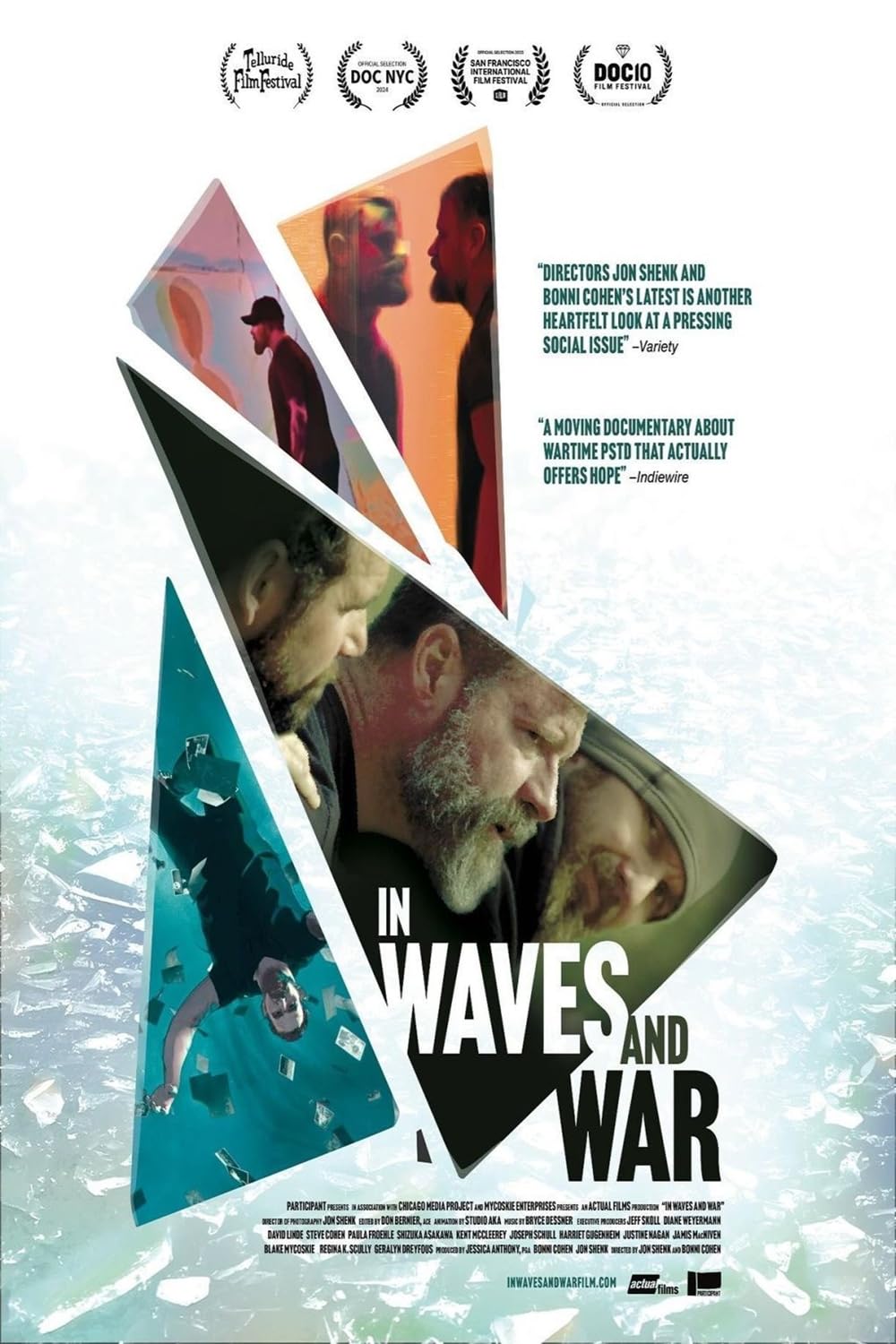
A growing number of veterans including special operations soldiers, Navy SEALs, and combat veterans are traveling to Gabon, Mexico, and Portugal to undergo iboga ceremonies and ibogaine treatment. What was once described in hushed tones is now the subject of a landmark Stanford University study, a $50 million Texas state initiative, and a Netflix documentary.

This is everything you need to know.

The Stanford Study: What the Research Actually Shows

In January 2024, researchers at Stanford University School of Medicine published a landmark study in the journal Nature Medicine. Led by Dr. Nolan Williams, the study followed 30 special operations veterans with severe PTSD and TBI who underwent ibogaine treatment at a clinic in Mexico.

The results were extraordinary:

Dr. Williams described ibogaine as producing "the most dramatic results we have ever seen" in treatment-resistant PTSD. No serious adverse events were reported when participants underwent proper cardiac screening.

A follow-up study published in Nature Mental Health in July 2025 used EEG and MRI to show that ibogaine treatment produced measurable increases in theta wave activity and reductions in cortical complexity  brain patterns associated with improved emotional regulation and reduced PTSD symptoms.

The Texas $50 Million Initiative

In June 2025, Texas Governor Greg Abbott signed Senate Bill 2308, allocating $50 million to fund a statewide ibogaine clinical trial program known as the IMPACT consortium (Ibogaine as Medicine for Posttraumatic stress and Addiction Clinical Trial).

The program is being led by UTHealth Houston and the University of Texas Medical Branch (UTMB). Eligible participants include veterans and first responders with treatment-resistant PTSD, TBI, opioid use disorder, and alcohol use disorder.

Important note for veterans reading this now: The Texas IMPACT trials are not yet enrolling the general public as of early 2026. The enrollment timeline, eligibility criteria, and application process have not yet been publicly announced. Veterans seeking ibogaine treatment today need to consider legal options abroad primarily Gabon, Mexico, and Portugal.

How Ibogaine Works in the PTSD Brain

Ibogaine's mechanism of action in PTSD is distinct from any existing medication or therapy. It works on multiple neurological systems simultaneously:

The Bwiti Tradition's Approach to Trauma

The Stanford study used isolated ibogaine extract in a clinical setting. The Bwiti tradition of Gabon has used the whole Tabernanthe iboga root bark for thousands of years and the approach is fundamentally different.

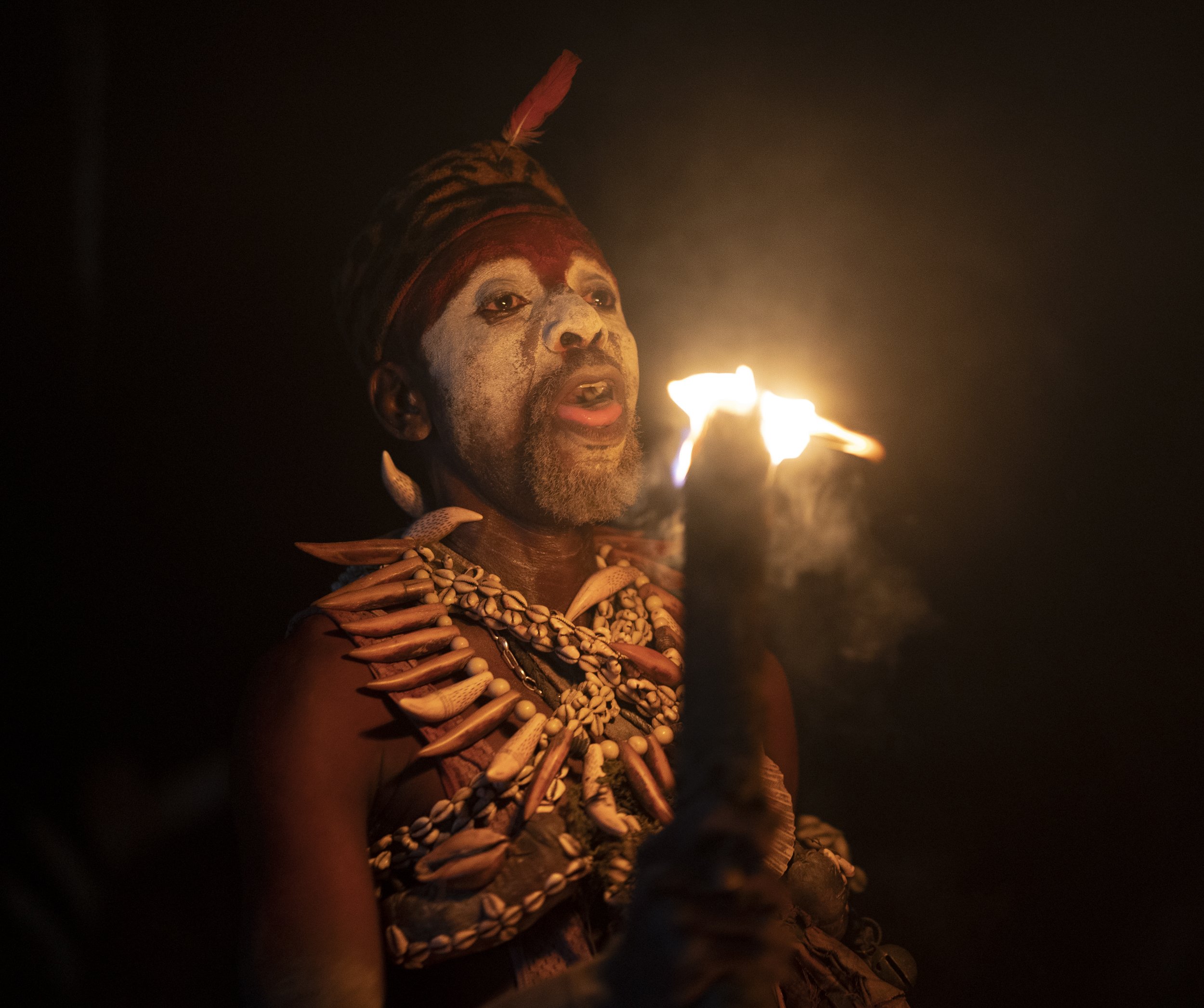
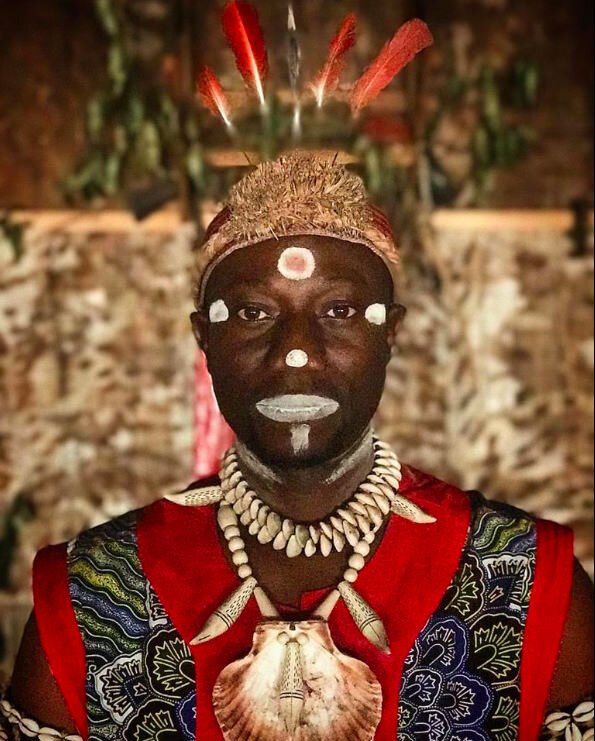
Moughenda Mikala, the 10th-generation Bwiti shaman who leads Bwiti House, explains it this way: in the Bwiti tradition, trauma is understood as a disconnection from the self, from ancestors, from community, and from purpose. The iboga ceremony does not simply "reset" the nervous system. It invites the participant to confront and understand the root of their suffering within a structured spiritual framework.

For veterans, this often means revisiting combat experiences  not to relive them, but to integrate them. Many veterans who have undergone traditional Bwiti ceremonies at Bwiti House describe finding meaning in their service for the first time, releasing survivor's guilt, and reconnecting with their sense of identity beyond the military.

Discover our iboga retreat

14-Days with a 10 generation Missoko bwiti shaman. Start your journey or ask for info on whatsapp

Is Iboga Safe for Veterans? Medical Screening Requirements

The primary medical risk with ibogaine is cardiac. Ibogaine prolongs the QTc interval an electrical measurement of heart function which can cause dangerous arrhythmias in people with certain heart conditions.

Veterans are, as a population, at higher baseline cardiac risk due to:

At Bwiti House, the mandatory pre-screening protocol includes:

Veterans who are stable, have no underlying cardiac abnormalities, and have properly tapered contraindicated medications are generally good candidates for iboga ceremonies.

Common Veterans' Medications and Iboga Compatibility

Many veterans are prescribed medications that require a supervised taper before iboga. This must be done under the guidance of a prescribing physician never abruptly. Common examples include:

This information is educational only. Never adjust or stop prescription medications without guidance from your prescribing doctor.

How to Access Iboga Treatment as a Veteran Today

Legal pathways for U.S. veterans as of early 2026:

Option 1: Gabon (The Source)
Iboga is a protected cultural treasure in Gabon, legally administered in traditional ceremonies. Bwiti House operates in Gabon, led by Moughenda Mikala. This is the only option that provides access to authentic traditional Bwiti ceremonial iboga.

Option 2: Mexico
Ibogaine is unscheduled in Mexico. Numerous clinics operate in Baja California (Rosarito, Tijuana, Ensenada) and in Tepoztlán. Standards vary enormously medical supervision quality is the critical differentiator. Bwiti House's certified providers include Mexico-based practitioners.

Option 3: Portugal
All drug possession for personal use was decriminalized in Portugal in 2001. Iboga retreats operate legally in Portugal, particularly near Sintra and in the Alentejo region. Bwiti House operates a certified provider network in Portugal.

Veterans Who Have Spoken Publicly About Ibogaine

Several high-profile veterans have spoken publicly about their ibogaine experiences, significantly contributing to mainstream awareness:

Frequently Asked Questions

Will the VA cover ibogaine treatment?
No. Ibogaine is a Schedule I controlled substance in the United States. The VA does not cover Schedule I treatments. Some veterans use GI Bill housing allowance savings or personal funds. The Texas IMPACT program will eventually provide treatment at no cost to eligible participants.

Will ibogaine show up on a military drug test?
Standard military drug tests (urinalysis) screen for common drugs of abuse. Ibogaine is not on the standard NIDA-5 panel. However, extended panels exist and ibogaine/noribogaine can be detected with specialized testing. Consult with a JAG officer if this is a concern before your active service ends.

I'm taking SSRIs. Can I still do iboga?
Not immediately. SSRIs need to be tapered under medical supervision before iboga is safe. This typically takes 2-6 weeks depending on the medication. Bwiti House's intake team works with your doctor to create a safe taper plan.

What about TBI specifically — is iboga safe?
The Stanford study included participants with TBI and showed significant improvements. From a safety perspective, TBI itself is not a contraindication — cardiac health, current medications, and psychiatric stability are the primary screening criteria.

How long do the effects last?
The Stanford study showed sustained improvements at one month. Other research shows benefits persisting for 3-6 months or longer with proper integration support. Bwiti House provides post-ceremony integration coaching as part of every program.

Medical disclaimer: This article is for educational purposes only and does not constitute medical advice. Iboga and ibogaine are powerful substances that require proper medical screening and professional facilitation. Always consult with a qualified healthcare provider before making any changes to your treatment regimen.
Why Veterans Are Seeking Iboga Treatment Abroad

An estimated 30,000 veterans die by suicide every year in the United States, more than 80 per day. Despite decades of research into SSRI medications, cognitive behavioral therapy, and EMDR, post-traumatic stress disorder (PTSD) and traumatic brain injury (TBI) remain among the most treatment-resistant conditions in modern medicine.

A growing number of veterans including special operations soldiers, Navy SEALs, and combat veterans are traveling to Gabon, Mexico, and Portugal to undergo iboga ceremonies and ibogaine treatment. What was once described in hushed tones is now the subject of a landmark Stanford University study, a $50 million Texas state initiative, and a Netflix documentary.

This is everything you need to know.

The Stanford Study: What the Research Actually Shows

In January 2024, researchers at Stanford University School of Medicine published a landmark study in the journal Nature Medicine. Led by Dr. Nolan Williams, the study followed 30 special operations veterans with severe PTSD and TBI who underwent ibogaine treatment at a clinic in Mexico.

The results were extraordinary:

    Dr. Williams described ibogaine as producing "the most dramatic results we have ever seen" in treatment-resistant PTSD. No serious adverse events were reported when participants underwent proper cardiac screening.

    A follow-up study published in Nature Mental Health in July 2025 used EEG and MRI to show that ibogaine treatment produced measurable increases in theta wave activity and reductions in cortical complexity brain patterns associated with improved emotional regulation and reduced PTSD symptoms.

    The Texas $50 Million Initiative

    In June 2025, Texas Governor Greg Abbott signed Senate Bill 2308, allocating $50 million to fund a statewide ibogaine clinical trial program known as the IMPACT consortium (Ibogaine as Medicine for Posttraumatic stress and Addiction Clinical Trial).

    The program is being led by UTHealth Houston and the University of Texas Medical Branch (UTMB). Eligible participants include veterans and first responders with treatment-resistant PTSD, TBI, opioid use disorder, and alcohol use disorder.

    Important note for veterans reading this now: The Texas IMPACT trials are not yet enrolling the general public as of early 2026. The enrollment timeline, eligibility criteria, and application process have not yet been publicly announced. Veterans seeking ibogaine treatment today need to consider legal options abroad primarily Gabon, Mexico, and Portugal.

    How Ibogaine Works in the PTSD Brain

    Ibogaine's mechanism of action in PTSD is distinct from any existing medication or therapy. It works on multiple neurological systems simultaneously:

    The Bwiti Tradition's Approach to Trauma

    The Stanford study used isolated ibogaine extract in a clinical setting. The Bwiti tradition of Gabon has used the whole Tabernanthe iboga root bark for thousands of years — and the approach is fundamentally different.

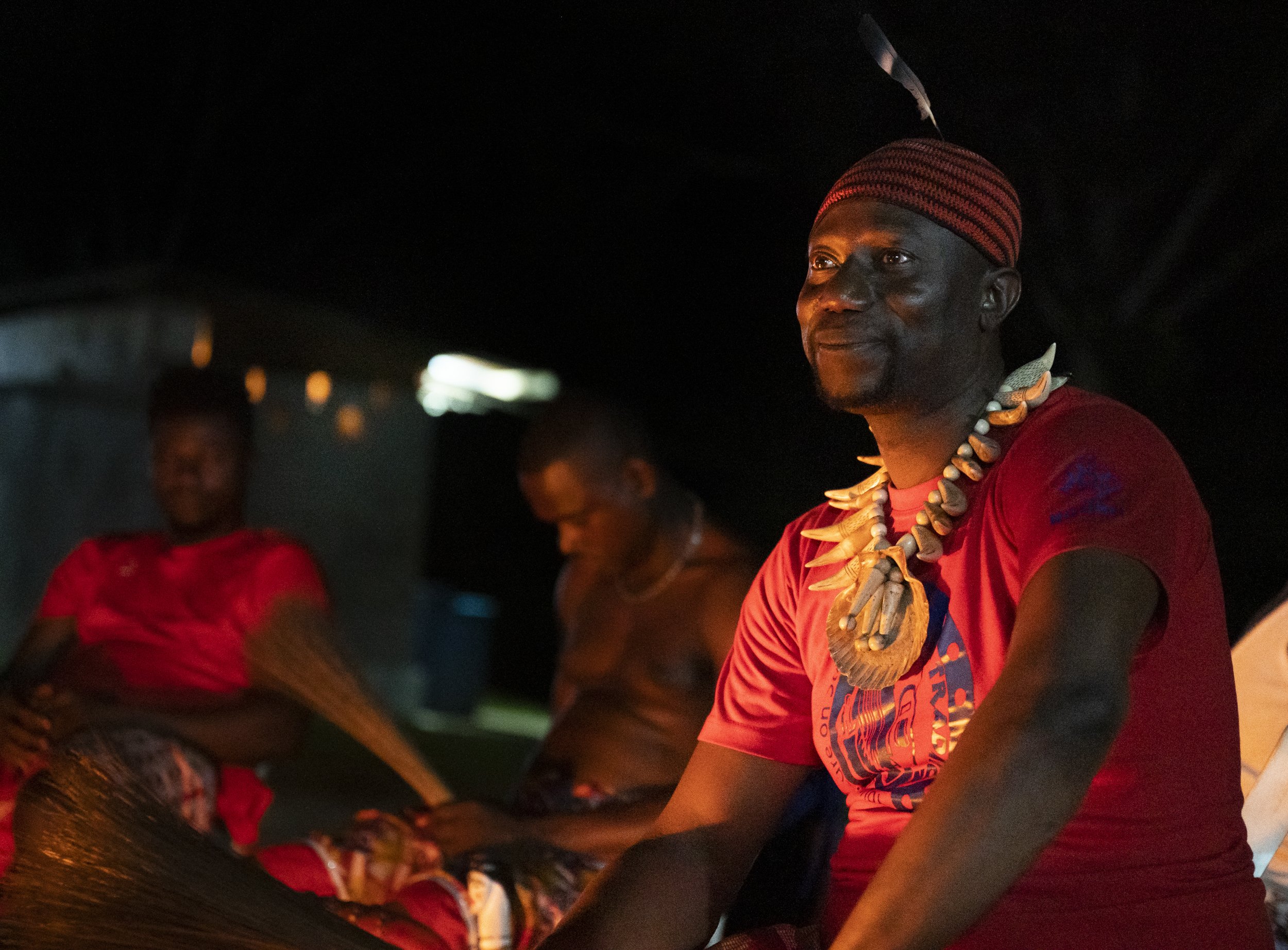
    Moughenda Mikala, the 10th-generation Bwiti shaman who leads Bwiti House, explains it this way: in the Bwiti tradition, trauma is understood as a disconnection — from the self, from ancestors, from community, and from purpose. The iboga ceremony does not simply "reset" the nervous system. It invites the participant to confront and understand the root of their suffering within a structured spiritual framework.

    For veterans, this often means revisiting combat experiences — not to relive them, but to integrate them. Many veterans who have undergone traditional Bwiti ceremonies at Bwiti House describe finding meaning in their service for the first time, releasing survivor's guilt, and reconnecting with their sense of identity beyond the military.

    Is Iboga Safe for Veterans? Medical Screening Requirements

    The primary medical risk with ibogaine is cardiac. Ibogaine prolongs the QTc interval  an electrical measurement of heart function which can cause dangerous arrhythmias in people with certain heart conditions.

    Veterans are, as a population, at higher baseline cardiac risk due to:

    At Bwiti House, the mandatory pre-screening protocol includes:

    Veterans who are stable, have no underlying cardiac abnormalities, and have properly tapered contraindicated medications are generally good candidates for iboga ceremonies.

    Common Veterans' Medications and Iboga Compatibility

    Many veterans are prescribed medications that require a supervised taper before iboga. This must be done under the guidance of a prescribing physician — never abruptly. Common examples include:

    This information is educational only. Never adjust or stop prescription medications without guidance from your prescribing doctor.

    How to Access Iboga Treatment as a Veteran Today

    Legal pathways for U.S. veterans as of early 2026:

    Option 1: Gabon (The Source)
    Iboga is a protected cultural treasure in Gabon, legally administered in traditional ceremonies. Bwiti House operates in Gabon, led by Moughenda Mikala. This is the only option that provides access to authentic traditional Bwiti ceremonial iboga.

    Option 2: Mexico
    Ibogaine is unscheduled in Mexico. Numerous clinics operate in Baja California (Rosarito, Tijuana, Ensenada) and in Tepoztlán. Standards vary enormously — medical supervision quality is the critical differentiator. Bwiti House's certified providers include Mexico-based practitioners.

    Option 3: Portugal
    All drug possession for personal use was decriminalized in Portugal in 2001. Iboga retreats operate legally in Portugal, particularly near Sintra and in the Alentejo region. Bwiti House operates a certified provider network in Portugal.

    Veterans Who Have Spoken Publicly About Ibogaine

    Several high-profile veterans have spoken publicly about their ibogaine experiences, significantly contributing to mainstream awareness:

    Frequently Asked Questions

    Will the VA cover ibogaine treatment?
    No. Ibogaine is a Schedule I controlled substance in the United States. The VA does not cover Schedule I treatments. Some veterans use GI Bill housing allowance savings or personal funds. The Texas IMPACT program will eventually provide treatment at no cost to eligible participants.

    Will ibogaine show up on a military drug test?
    Standard military drug tests (urinalysis) screen for common drugs of abuse. Ibogaine is not on the standard NIDA-5 panel. However, extended panels exist and ibogaine/noribogaine can be detected with specialized testing. Consult with a JAG officer if this is a concern before your active service ends.

    I'm taking SSRIs. Can I still do iboga?
    Not immediately. SSRIs need to be tapered under medical supervision before iboga is safe. This typically takes 2-6 weeks depending on the medication. Bwiti House's intake team works with your doctor to create a safe taper plan.

    What about TBI specifically — is iboga safe?
    The Stanford study included participants with TBI and showed significant improvements. From a safety perspective, TBI itself is not a contraindication — cardiac health, current medications, and psychiatric stability are the primary screening criteria.

    How long do the effects last?
    The Stanford study showed sustained improvements at one month. Other research shows benefits persisting for 3-6 months or longer with proper integration support. Bwiti House provides post-ceremony integration coaching as part of every program.

    Medical disclaimer: This article is for educational purposes only and does not constitute medical advice. Iboga and ibogaine are powerful substances that require proper medical screening and professional facilitation. Always consult with a qualified healthcare provider before making any changes to your treatment regimen.

    Home
    /
    Blog
    /
    Iboga for Veterans with PTSD and TBI: What the Stanford Study Found and How to Access Treatment in 2026
    Group 47 (2) - Bwiti House Iboga retreat
    by
    Bwiti House
    Icons8 Semaine Civile 32 - Bwiti House Iboga retreat
    18/2/2026
    Icons8 Minuteur 32 - Bwiti House Iboga retreat
    11min

    Why Veterans Are Seeking Iboga Treatment Abroad

    An estimated 30,000 veterans die by suicide every year in the United States, more than 80 per day. Despite decades of research into SSRI medications, cognitive behavioral therapy, and EMDR, post-traumatic stress disorder (PTSD) and traumatic brain injury (TBI) remain among the most treatment-resistant conditions in modern medicine.

    A growing number of veterans including special operations soldiers, Navy SEALs, and combat veterans are traveling to Gabon, Mexico, and Portugal to undergo iboga ceremonies and ibogaine treatment. What was once described in hushed tones is now the subject of a landmark Stanford University study, a $50 million Texas state initiative, and a Netflix documentary.

    This is everything you need to know.

    The Stanford Study: What the Research Actually Shows

    In January 2024, researchers at Stanford University School of Medicine published a landmark study in the journal Nature Medicine. Led by Dr. Nolan Williams, the study followed 30 special operations veterans with severe PTSD and TBI who underwent ibogaine treatment at a clinic in Mexico.

    The results were extraordinary:

      Dr. Williams described ibogaine as producing "the most dramatic results we have ever seen" in treatment-resistant PTSD. No serious adverse events were reported when participants underwent proper cardiac screening.

      A follow-up study published in Nature Mental Health in July 2025 used EEG and MRI to show that ibogaine treatment produced measurable increases in theta wave activity and reductions in cortical complexity brain patterns associated with improved emotional regulation and reduced PTSD symptoms.

      The Texas $50 Million Initiative

      In June 2025, Texas Governor Greg Abbott signed Senate Bill 2308, allocating $50 million to fund a statewide ibogaine clinical trial program known as the IMPACT consortium (Ibogaine as Medicine for Posttraumatic stress and Addiction Clinical Trial).

      The program is being led by UTHealth Houston and the University of Texas Medical Branch (UTMB). Eligible participants include veterans and first responders with treatment-resistant PTSD, TBI, opioid use disorder, and alcohol use disorder.

      Important note for veterans reading this now: The Texas IMPACT trials are not yet enrolling the general public as of early 2026. The enrollment timeline, eligibility criteria, and application process have not yet been publicly announced. Veterans seeking ibogaine treatment today need to consider legal options abroad primarily Gabon, Mexico, and Portugal.

      How Ibogaine Works in the PTSD Brain

      Ibogaine's mechanism of action in PTSD is distinct from any existing medication or therapy. It works on multiple neurological systems simultaneously:

      The Bwiti Tradition's Approach to Trauma

      The Stanford study used isolated ibogaine extract in a clinical setting. The Bwiti tradition of Gabon has used the whole Tabernanthe iboga root bark for thousands of years — and the approach is fundamentally different.

      Moughenda Mikala, the 10th-generation Bwiti shaman who leads Bwiti House, explains it this way: in the Bwiti tradition, trauma is understood as a disconnection — from the self, from ancestors, from community, and from purpose. The iboga ceremony does not simply "reset" the nervous system. It invites the participant to confront and understand the root of their suffering within a structured spiritual framework.

      For veterans, this often means revisiting combat experiences — not to relive them, but to integrate them. Many veterans who have undergone traditional Bwiti ceremonies at Bwiti House describe finding meaning in their service for the first time, releasing survivor's guilt, and reconnecting with their sense of identity beyond the military.

      Is Iboga Safe for Veterans? Medical Screening Requirements

      The primary medical risk with ibogaine is cardiac. Ibogaine prolongs the QTc interval  an electrical measurement of heart function which can cause dangerous arrhythmias in people with certain heart conditions.

      Veterans are, as a population, at higher baseline cardiac risk due to:

      At Bwiti House, the mandatory pre-screening protocol includes:

      Veterans who are stable, have no underlying cardiac abnormalities, and have properly tapered contraindicated medications are generally good candidates for iboga ceremonies.

      Common Veterans' Medications and Iboga Compatibility

      Many veterans are prescribed medications that require a supervised taper before iboga. This must be done under the guidance of a prescribing physician — never abruptly. Common examples include:

      This information is educational only. Never adjust or stop prescription medications without guidance from your prescribing doctor.

      How to Access Iboga Treatment as a Veteran Today

      Legal pathways for U.S. veterans as of early 2026:

      Option 1: Gabon (The Source)
      Iboga is a protected cultural treasure in Gabon, legally administered in traditional ceremonies. Bwiti House operates in Gabon, led by Moughenda Mikala. This is the only option that provides access to authentic traditional Bwiti ceremonial iboga.

      Option 2: Mexico
      Ibogaine is unscheduled in Mexico. Numerous clinics operate in Baja California (Rosarito, Tijuana, Ensenada) and in Tepoztlán. Standards vary enormously — medical supervision quality is the critical differentiator. Bwiti House's certified providers include Mexico-based practitioners.

      Option 3: Portugal
      All drug possession for personal use was decriminalized in Portugal in 2001. Iboga retreats operate legally in Portugal, particularly near Sintra and in the Alentejo region. Bwiti House operates a certified provider network in Portugal.

      Veterans Who Have Spoken Publicly About Ibogaine

      Several high-profile veterans have spoken publicly about their ibogaine experiences, significantly contributing to mainstream awareness:

      Frequently Asked Questions

      Will the VA cover ibogaine treatment?
      No. Ibogaine is a Schedule I controlled substance in the United States. The VA does not cover Schedule I treatments. Some veterans use GI Bill housing allowance savings or personal funds. The Texas IMPACT program will eventually provide treatment at no cost to eligible participants.

      Will ibogaine show up on a military drug test?
      Standard military drug tests (urinalysis) screen for common drugs of abuse. Ibogaine is not on the standard NIDA-5 panel. However, extended panels exist and ibogaine/noribogaine can be detected with specialized testing. Consult with a JAG officer if this is a concern before your active service ends.

      I'm taking SSRIs. Can I still do iboga?
      Not immediately. SSRIs need to be tapered under medical supervision before iboga is safe. This typically takes 2-6 weeks depending on the medication. Bwiti House's intake team works with your doctor to create a safe taper plan.

      What about TBI specifically — is iboga safe?
      The Stanford study included participants with TBI and showed significant improvements. From a safety perspective, TBI itself is not a contraindication — cardiac health, current medications, and psychiatric stability are the primary screening criteria.

      How long do the effects last?
      The Stanford study showed sustained improvements at one month. Other research shows benefits persisting for 3-6 months or longer with proper integration support. Bwiti House provides post-ceremony integration coaching as part of every program.

      Medical disclaimer: This article is for educational purposes only and does not constitute medical advice. Iboga and ibogaine are powerful substances that require proper medical screening and professional facilitation. Always consult with a qualified healthcare provider before making any changes to your treatment regimen.

      Home
      /
      Blog
      /
      Iboga for Veterans with PTSD and TBI: What the Stanford Study Found and How to Access Treatment in 2026