.svg)


Iboga, a plant deeply rooted in African spiritual traditions, is garnering increasing attention for its therapeutic applications. The Tabernanthe iboga shrub, native to Central West Africa, has long been a cornerstone of healing and initiation rites in Bwiti spiritual practices. Its unique alkaloid composition, particularly ibogaine, has shown promise in addressing substance dependence, withdrawal syndromes, mood disorders, and post-traumatic stress disorder (PTSD). However, beyond ibogaine, the synergistic effects of lesser-known alkaloids suggest a potential advantage in whole-plant preparations over isolated compounds. This article explores the multifaceted therapeutic potential of Iboga and its alkaloids, examining both traditional uses and modern scientific insights. 🌍💊
The Tabernanthe Iboga Shrub – Origins and Cultural Significance 🌱🔍
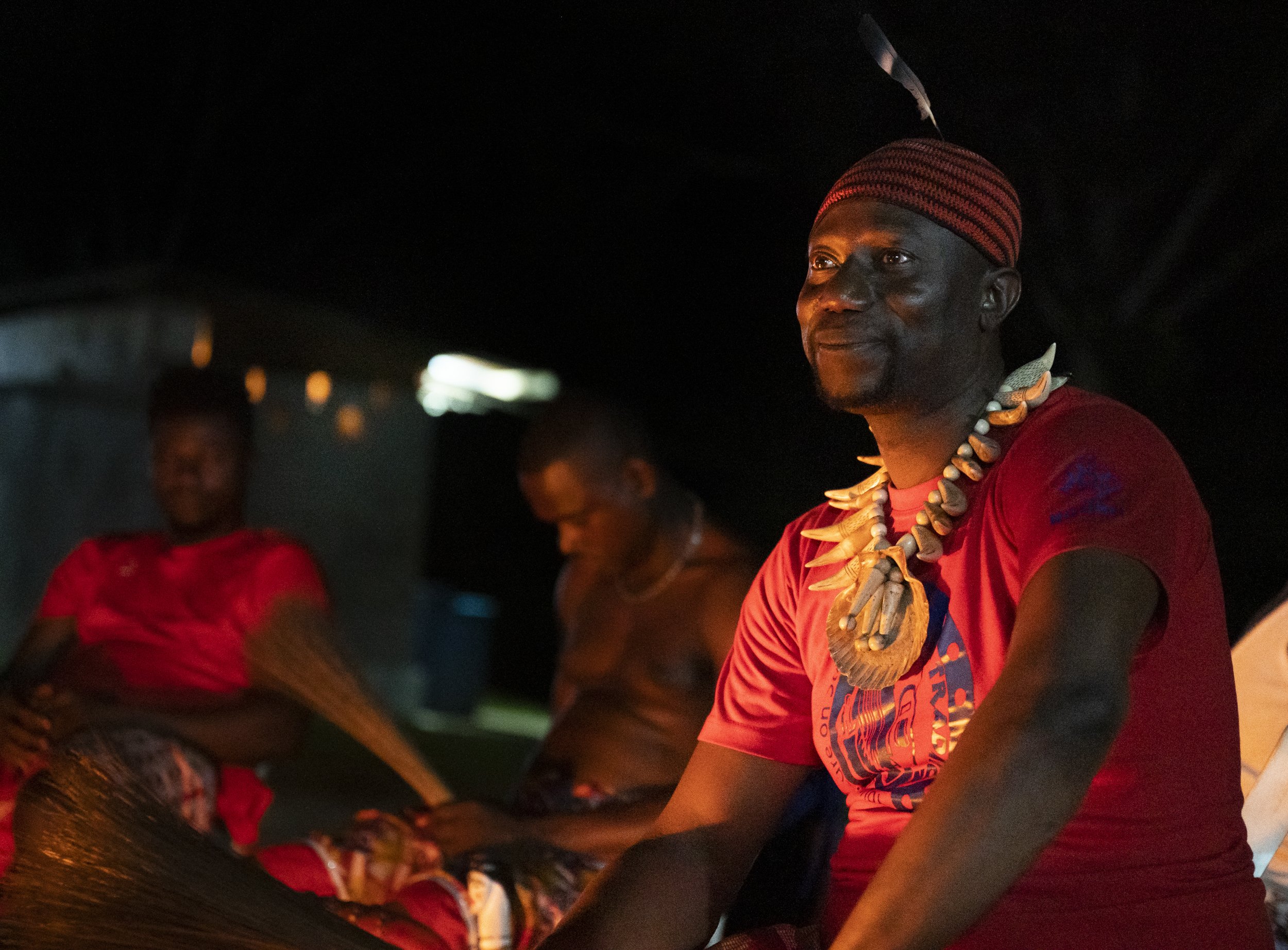
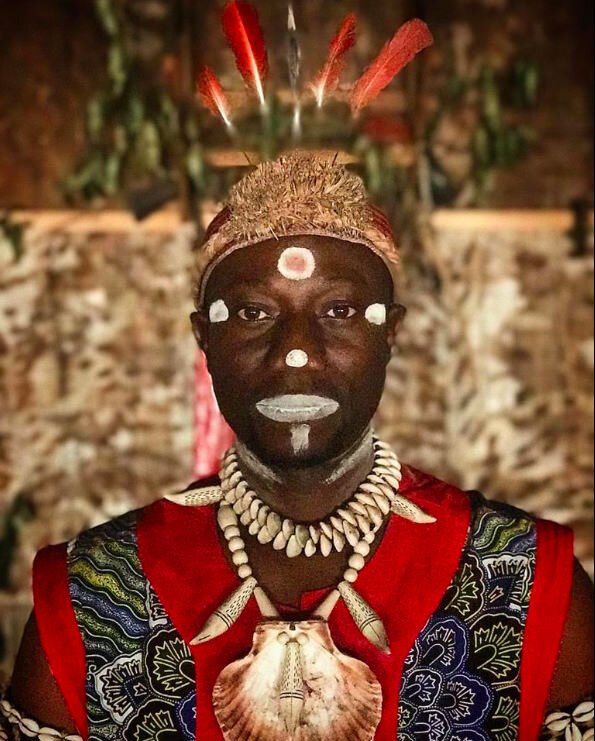
Tabernanthe iboga is indigenous to Central West Africa, particularly Gabon. The plant thrives in tropical forests and has been revered for centuries by indigenous communities, particularly the Bwiti people of Gabon. In Bwiti ceremonies, Iboga plays a vital role in spiritual initiation, healing, and guidance, acting as a bridge between the physical and spiritual realms. Traditionally, Iboga root bark is consumed in sacred rituals designed to facilitate introspection, personal growth, and communication with ancestors. 🌿🌀
Alkaloid Composition of Iboga 🧪🌱
The pharmacological effects of Iboga stem from its diverse alkaloid profile. The primary active alkaloids include:
- Ibogaine: The most researched alkaloid, known for its potential in addiction treatment and neuroplasticity. 🧠💡
- Ibogamine: Structurally similar to ibogaine, with possible synergistic effects in mental health applications. 🌈
- Iboxygaine: A minor alkaloid with potential neuroregenerative properties. 🏥🧬
- Tabernanthine: Believed to enhance the therapeutic effects of ibogaine while reducing toxicity. 🔬
Ibogaine and Addiction Treatment 🚑🩺
Ibogaine is renowned for its potential in interrupting addiction cycles. Studies suggest that ibogaine modulates neurotransmitter systems, particularly serotonin, dopamine, and glutamate, reducing withdrawal symptoms and cravings. Clinical trials and anecdotal reports indicate that ibogaine has demonstrated effectiveness in treating dependence on:
- Opioids (heroin, fentanyl, prescription painkillers) 💉🚫
- Stimulants (cocaine, methamphetamine) ⚡❌
- Alcohol and nicotine 🍷🚭 Despite its promise, legal restrictions and safety concerns limit ibogaine’s accessibility, necessitating further research and regulatory discussions. 📜⚖️
Iboga’s Potential in Mental Health Treatment 🧠❤️
Beyond addiction, Iboga has shown potential in addressing mental health conditions such as:
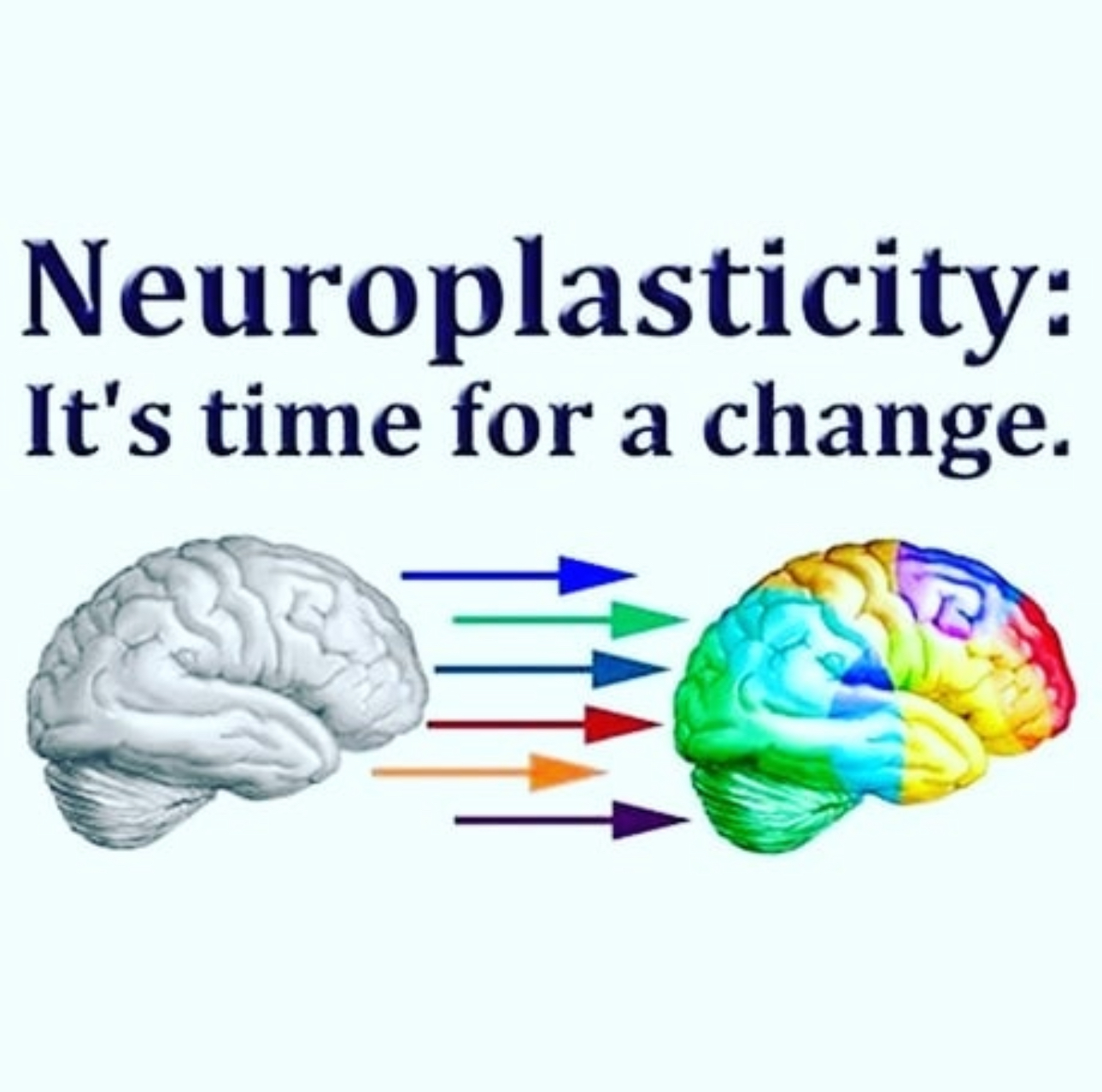
- Depression and anxiety: By promoting neuroplasticity and resetting dysfunctional neural pathways. 😊🌞
- Post-traumatic stress disorder (PTSD): Facilitating trauma processing and emotional resilience. 🛡️💙
- Neurodegenerative conditions: Preliminary studies suggest possible benefits for diseases like Parkinson’s and Alzheimer’s. 🏥🧠
The Synergy of Whole-Plant Iboga vs. Isolated Ibogaine 🌿⚖️
Whole-plant Iboga contains a complex interplay of alkaloids, which may enhance therapeutic efficacy compared to isolated ibogaine. Proponents argue that:
- The entourage effect optimizes healing potential. 🔄✨
- Lesser-known alkaloids contribute to reduced side effects and prolonged benefits. 🌟
- Traditional Iboga root bark and TA (Total Alkaloid) extracts offer a more balanced experience compared to pharmaceutical ibogaine. 🌱💊
Safety, Risks, and Responsible Use of Iboga ⚠️🛑
While Iboga has significant therapeutic potential, medical supervision is crucial due to associated risks, including:
- Cardiac complications (QT prolongation and arrhythmias) ❤️⚡
- Neurological side effects (ataxia, hallucinations) 🌀🤯
- Potential for overdose ☠️ Screening protocols, supervised administration, and integration support are essential for ensuring safety. 🏥✅
The Bwiti Tradition and Its Role in Healing with Iboga 🎭🌿Traditional Bwiti practices emphasize ceremonial frameworks that enhance the therapeutic and spiritual impact of Iboga. Key elements include:
- Guidance from trained facilitators (Nganga) 🔮
- Pre-ceremony preparation and post-ceremony integration 🧘♂️
- Ritualistic settings that promote introspection and healing 🕯️ Modern therapeutic approaches are increasingly recognizing the value of integrating indigenous knowledge into clinical frameworks. 🌍
✨🌍Conclusion 🏁🌱
Iboga holds immense therapeutic potential, particularly in addiction recovery, mental health, and neuroregeneration. While scientific research continues to validate its benefits, traditional wisdom and responsible use remain crucial in harnessing its healing power. The future of Iboga lies in balanced, integrative approaches that honor both science and indigenous traditions. ✨🌍FAQs ❓🤔
- Is Iboga legal?
- It depends on the country. While legal in Gabon, it is restricted in many regions. ⚖️
- What are the risks of using Iboga?
- Potential cardiac risks, neurological effects, and contraindications with certain medications. 🚑
- How does Iboga compare to other psychedelics?
- It is more introspective, longer-lasting, and uniquely effective for addiction treatment. 🔄🌈
- Can Iboga be used outside of addiction treatment?
- Yes, research suggests benefits for PTSD, depression, and neuroplasticity. 🧠💖
- What is the best way to take Iboga safely?
- Under medical supervision or within a traditional Bwiti ceremonial setting. 🏥🙏